
- Education
- Diamond 4Cs & Grading
- 2 Carat Diamonds: Size, Price and How to Choose
Diamond 4Cs & Grading
2 Carat Diamonds: Size, Price and How to Choose
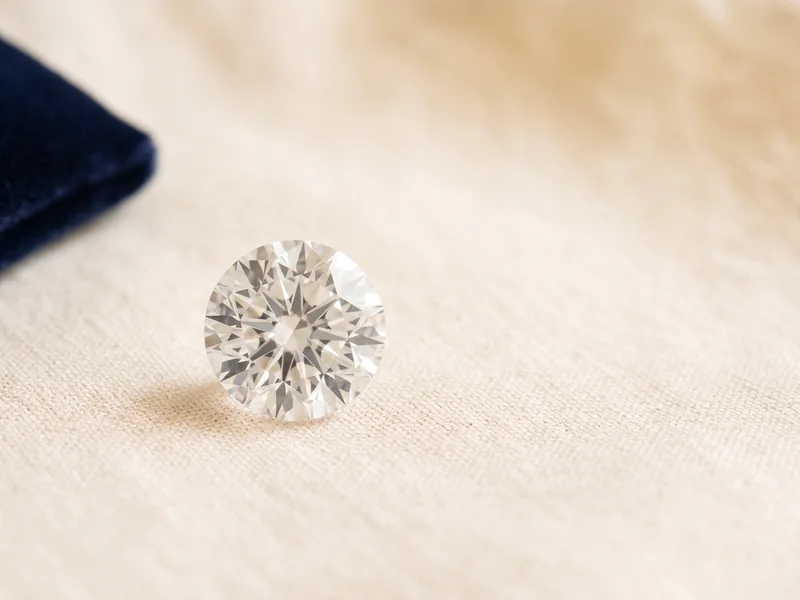
A 2 carat diamond is where size starts to change everything: colour shows more, inclusions are bigger and the price climbs steeply. Here is what a 2 carat stone really measures, what it costs in Australia and where to put your money.
 Reviewed by Raj Sood, Graduate Gemologist (GIA), AJP (GIA)Founder and Graduate Gemologist (GIA) · reviewed 17 November 2026
2 carat natural diamonds in stock
See all 4,153 in stock →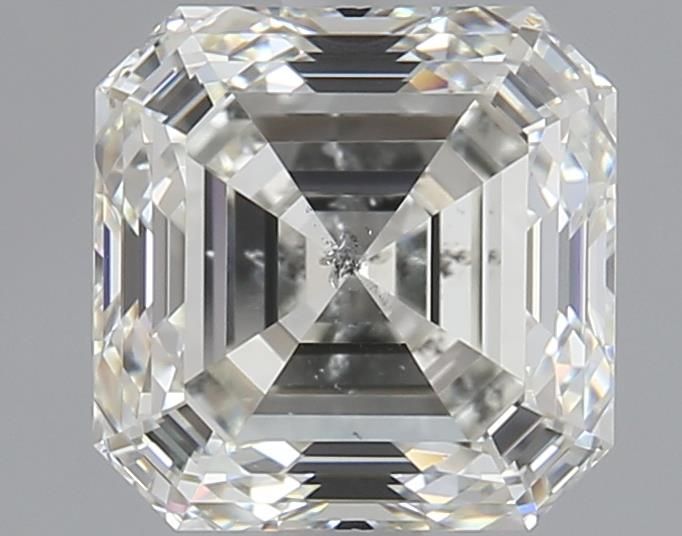 Natural Diamond2.02 ct Asscher DiamondJ · SI2 Clarity · VG · EX · NON$9,968 AUDAll taxes inclusive
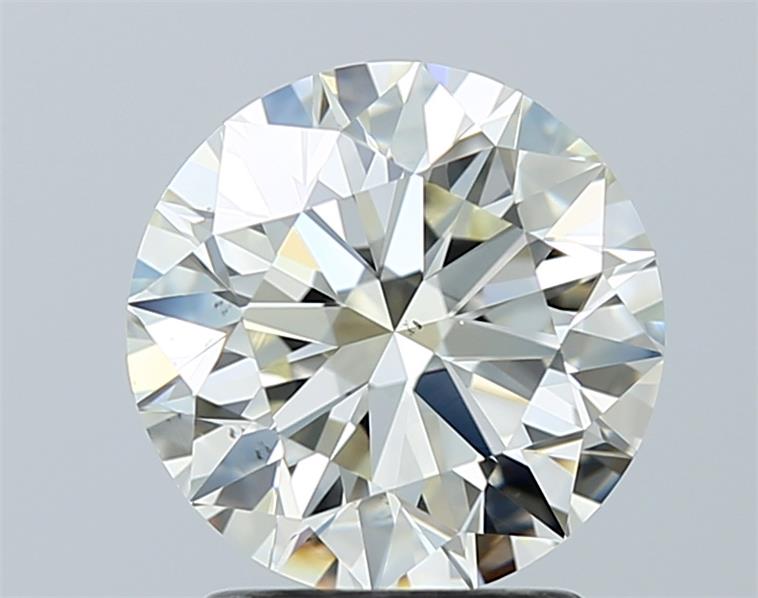 Natural Diamond2.04 ct Round DiamondL · VS2 Clarity · EX · EX · EX · MED$9,968 AUDAll taxes inclusive
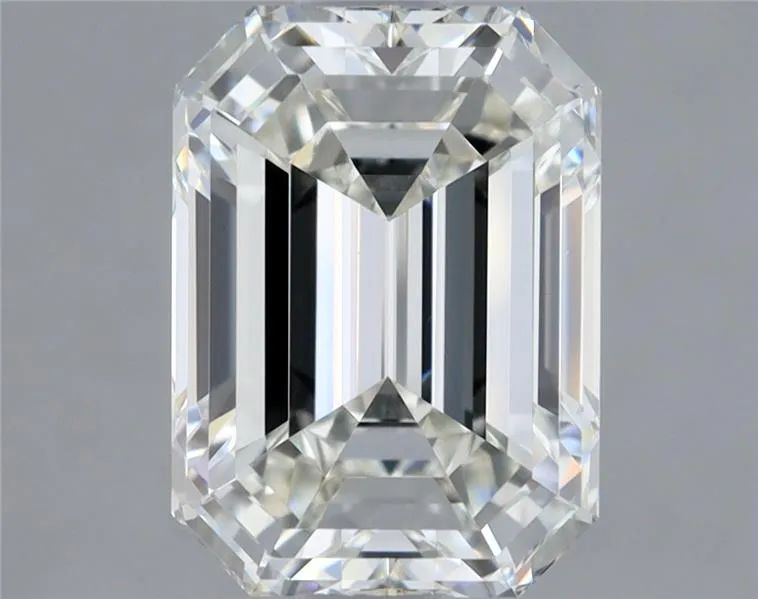 Natural Diamond2.02 ct Emerald DiamondI · VVS2 Clarity · EX · EX · NON$17,378 AUDAll taxes inclusive
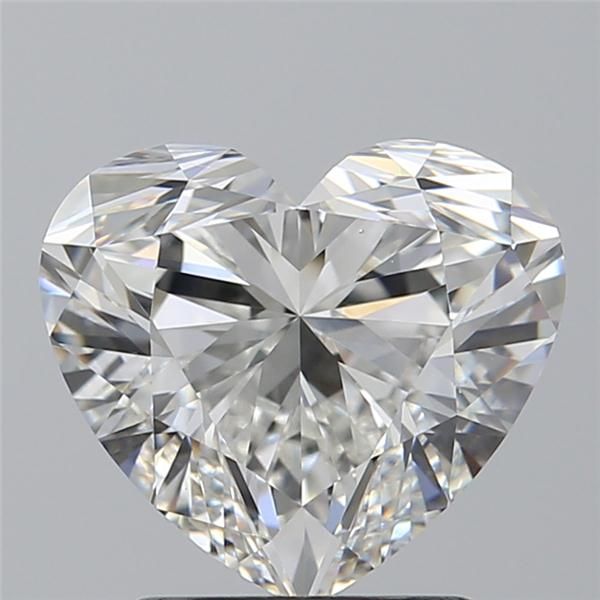 Natural Diamond2.01 ct Heart DiamondG · VS2 Clarity · EX · EX · STG$17,408 AUDAll taxes inclusive
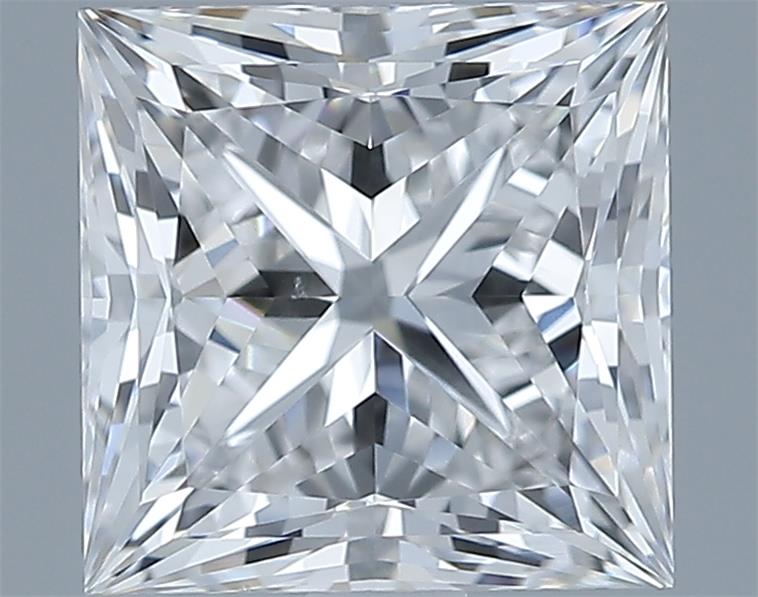 Natural Diamond2.05 ct Princess DiamondF · VS2 Clarity · EX · EX · NON$32,858 AUDAll taxes inclusive
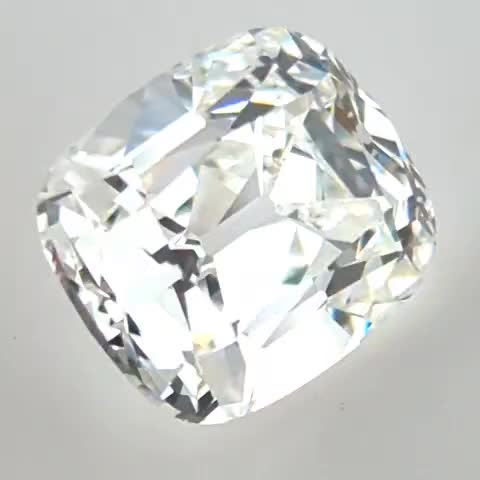 Natural Diamond2.01 ct Old Miner DiamondH · VVS2 Clarity · EX · EX · NON$32,858 AUDAll taxes inclusive
In stock when checked on 23 Nov 2026, 6:10 am. Each diamond’s own page shows its live price and availability. Please check the lab report before you commit.
Quick answer
A 2 carat diamond weighs 0.40 grams, and a well-cut round measures about 8.0–8.2 mm across, covering roughly half the width of an average finger. At GemTrove on 17 November 2026, in D to G colour and VVS1 to SI1 clarity, natural 2 carat diamonds started at $11,468 and lab-grown at $888, taxes included. Most buyers settle on G–H colour with eye-clean VS2–SI1 clarity.
What is a 2 carat diamond?
Carat is a unit of weight, not size. One carat is 0.20 grams, so a 2 carat diamond weighs 0.40 grams. Jewellers also split each carat into 100 points, which is why you will sometimes hear a 2.00 ct stone called a 'two-hundred pointer'. Our guide to how diamond carat weight is measured explains the scale and the rounding rules.
Carat is one of the four Cs of diamond grading, alongside colour, clarity and cut. At 2 carats the balance between them shifts. A bigger stone shows its body colour more, any inclusion is physically larger, and a poor cut wastes more weight in places you cannot see. That is why the advice for a 2 carat stone is not simply 'the same as 1 carat, just bigger'.
Grading reports state weight to two decimal places, so a stone is 2.00, 2.05 or 2.18 ct, never 'about 2'. In the trade, 'two carat' usually means anything from 2.00 to about 2.29 ct. If a term on a report is new to you, our plain-English jewellery glossary defines it.
How big is a 2 carat diamond in mm?
Because carat is weight, the same 2.00 ct can look quite different depending on the shape and how the stone is cut. Shapes that spread their weight across the top (oval, pear, marquise) look larger face-up; shapes that carry more weight in the depth (princess, Asscher, cushion) look smaller. These are typical measurements for well-proportioned stones.
| Shape | Typical size at 2.00 ct | Typical ratio | Looks next to a round |
|---|---|---|---|
| Round brilliant | 8.0–8.2 mm diameter | 1.00 | The reference point |
| Oval | about 10.0 × 7.0 mm | 1.35–1.45 | Looks larger; longer on the finger |
| Pear | about 11.0 × 7.0 mm | 1.50–1.60 | Looks larger |
| Marquise | about 13.0 × 6.5 mm | 1.90–2.10 | Looks the largest for its weight |
| Emerald | about 8.7 × 6.3 mm | 1.35–1.45 | Similar length, narrower; open step facets |
| Radiant | about 8.0 × 6.4 mm | 1.20–1.30 | Slightly smaller face-up |
| Cushion | about 7.4 × 7.1 mm | 1.00–1.10 | Smaller; deeper stone |
| Princess | about 6.8–7.0 mm square | 1.00–1.05 | Smaller across, but corners add presence |
| Asscher | about 7.0 mm square | 1.00–1.05 | Smaller; deep step cut |
| Heart | about 8.6 × 7.9 mm | 0.90–1.10 | Similar to a round |
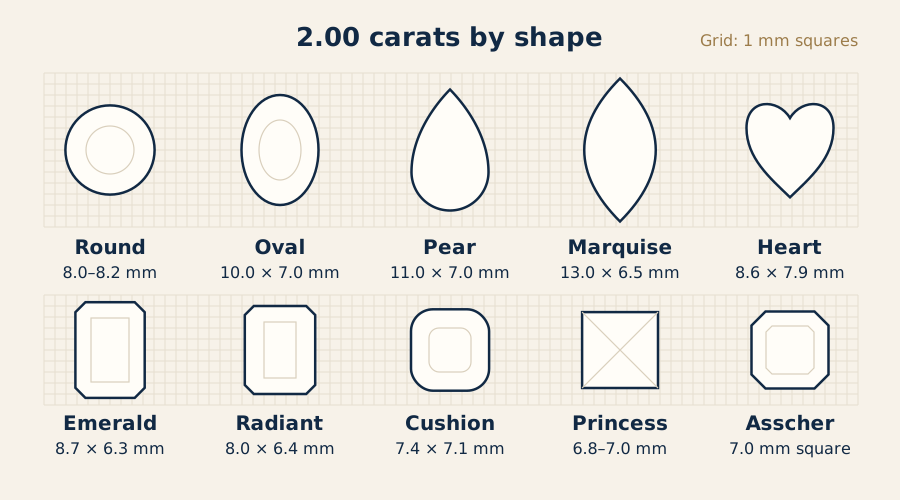
Two stones of the same shape can still differ. A round cut too deep (say 64% depth) might measure only 7.8–7.9 mm and look like a 1.85 ct, while a well-cut one reaches 8.1–8.2 mm. Always compare the measurements on the report, not just the carat weight. For every shape and weight in one place, use our diamond mm to carat size chart; for smaller centre stones, see half-carat diamonds and three-quarter carat diamonds.
What does a 2 carat diamond look like on the finger?
An average adult finger is around 16–18 mm wide. A 2 carat round at 8.1 mm covers roughly half of that, so it reads clearly as a substantial stone from across a table without reaching knuckle to knuckle. On a slim finger (ring size J to L) it looks noticeably bigger; on a larger hand it looks balanced rather than oversized.
The part people find surprising is the scale of the jump. Doubling the weight from 1 to 2 carats does not double the diameter; it adds only about 1.6–1.7 mm. The face-up area, though, grows by about 55–60%, and that is what your eye registers on the hand.
| Carat (round) | Typical diameter | Approx. face-up area |
|---|---|---|
| 0.50 ct | 5.1–5.2 mm | about 21 mm² |
| 1.00 ct | 6.4–6.5 mm | about 33 mm² |
| 1.25 ct | 6.8–7.0 mm | about 37 mm² |
| 1.50 ct | 7.3–7.5 mm | about 43 mm² |
| 2.00 ct | 8.0–8.2 mm | about 51 mm² |
| 2.50 ct | 8.6–8.8 mm | about 59 mm² |
| 3.00 ct | 9.1–9.4 mm | about 67 mm² |
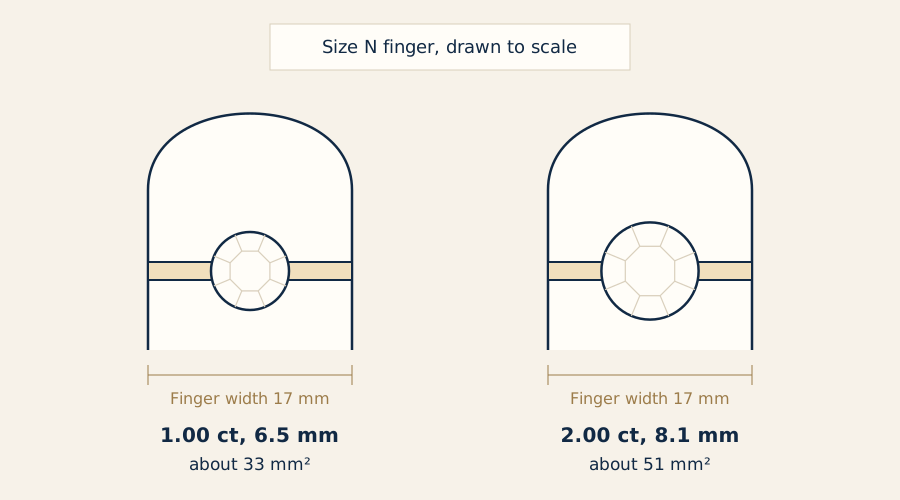
If you are weighing up sizes, compare a 2 carat with a 1 carat diamond and the halfway point of a 1.5 carat diamond; if budget is tight, a well-cut 1.25 carat stone in a halo can look close to 1.5 ct. Going the other way, our guides to 2.5 carat diamonds and 3 carat diamonds show what each further step adds.
How much does a 2 carat diamond cost in Australia?
Price per carat rises steeply with size, because large natural rough is rarer. A natural 2 carat diamond usually costs several times a 1 carat of the same colour and clarity, not just twice as much. Lab-grown prices follow a much flatter curve.
Here is what 2 carat diamonds cost in GemTrove's own stock on 17 November 2026. Our catalogue listed 3,849 natural and 6,540 lab-grown diamonds at this size, each with its own price and grading report.
| 2 carat, 17 Nov 2026 | Natural | Lab-grown |
|---|---|---|
| Lowest price, D–G, VVS–SI1 | $11,468 | $888 |
| Middle of the range, D–G, VVS–SI1 | $34,338 | $1,268 |
| G–H colour, VS1–VS2 | from $12,118; mid-range around $27,398 | none in these grades on the day |
| In stock at this size, all grades | 3,849 | 6,540 |
These are loose diamond prices from GemTrove's live stock on 17 November 2026, in Australian dollars with taxes included. They cover every shape of diamond from 2 to 2.09 carats. The prices are for D to G colour and VVS1 to SI1 clarity, the grades GemTrove normally sells. Lower colour and clarity grades cost less and are listed in the catalogue. The mid-range figure is the price around the middle of the stones in those grades. Prices change daily, and each diamond's own page shows its current price. The setting is quoted after the design is agreed. Please check the lab report before you commit. Browse natural 2 carat diamonds or lab-grown 2 carat diamonds.
2 carat lab-grown diamonds in stock
See all 6,541 in stock →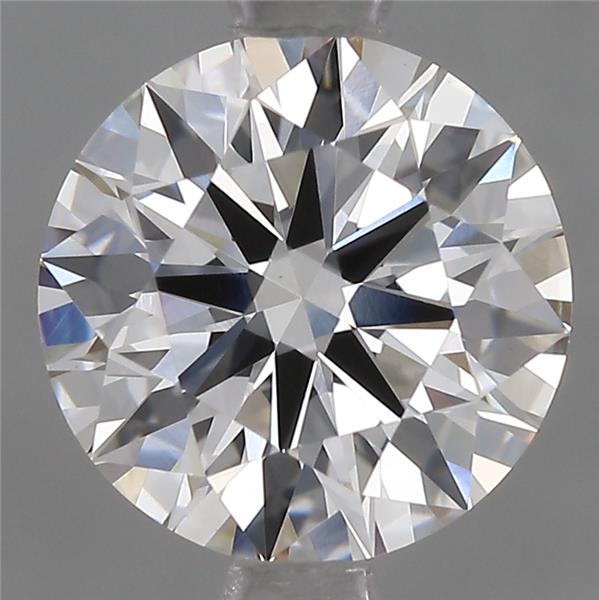 Lab-Grown Diamond2.07 ct Round DiamondE · VS1 Clarity · ID · EX · EX · NON$1,078 AUDAll taxes inclusive
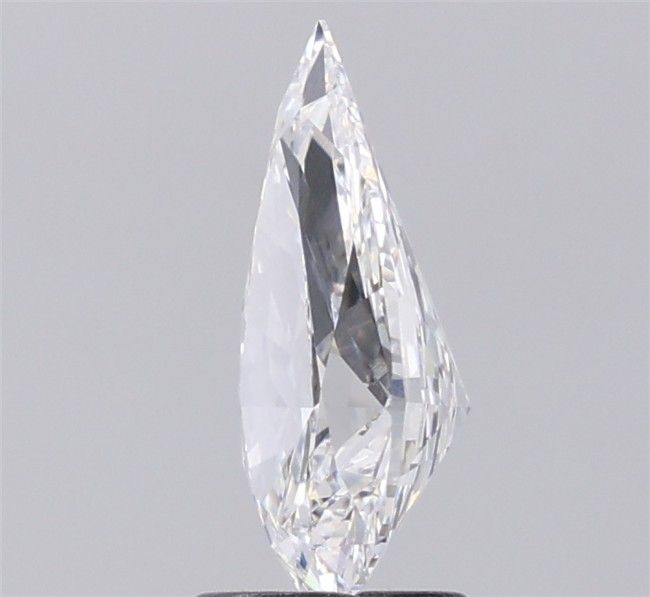 Lab-Grown Diamond2.07 ct Pear DiamondE · VVS2 Clarity · EX · EX · NON$1,078 AUDAll taxes inclusive
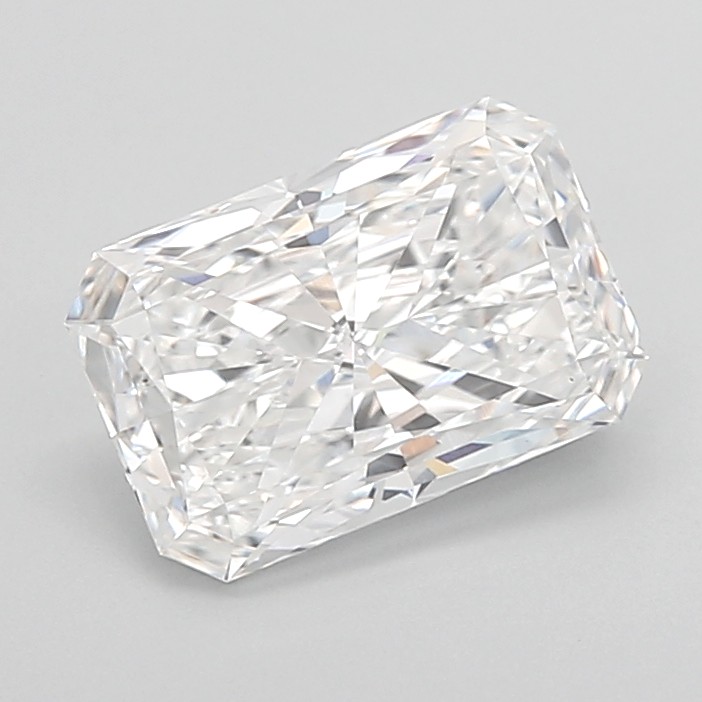 Lab-Grown Diamond2.04 ct Radiant DiamondE · VS1 Clarity · EX · EX · NON$1,248 AUDAll taxes inclusive
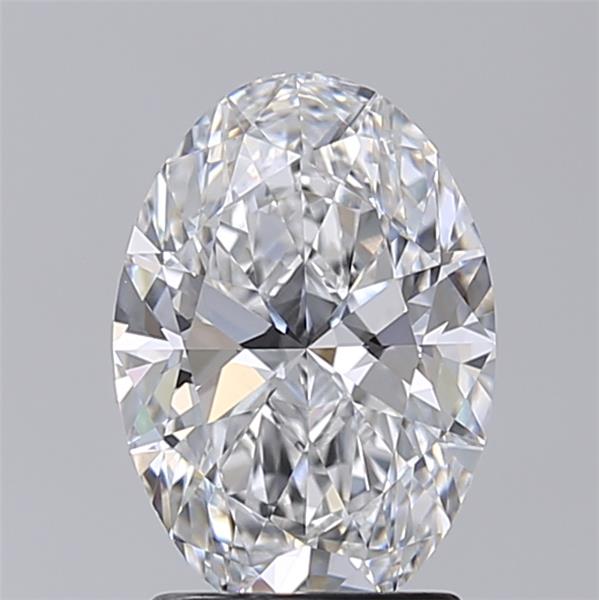 Lab-Grown Diamond2.02 ct Oval DiamondD · VVS2 Clarity · EX · EX · NON$1,248 AUDAll taxes inclusive
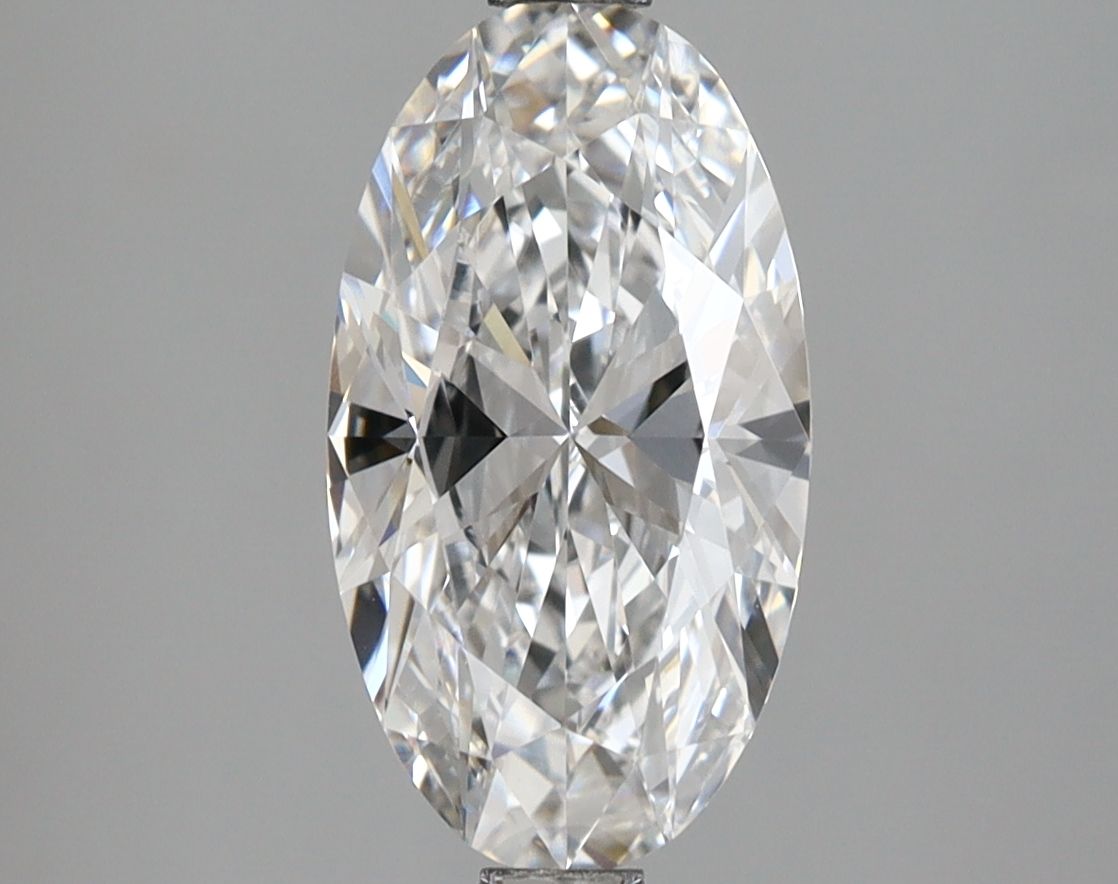 Lab-Grown Diamond2.02 ct Moval DiamondD · VVS1 Clarity · EX · EX · NON$1,778 AUDAll taxes inclusive
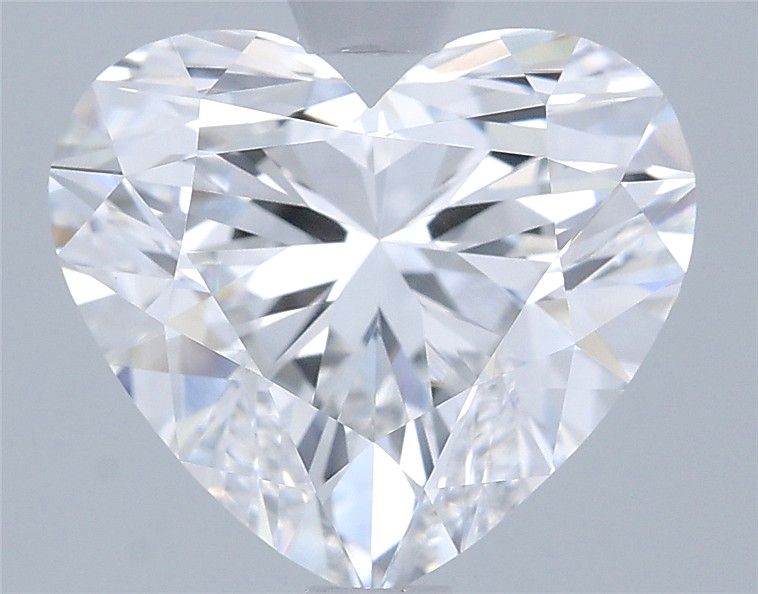 Lab-Grown Diamond2.08 ct Heart DiamondD · VVS2 Clarity · EX · EX · NON$1,798 AUDAll taxes inclusive
In stock when checked on 23 Nov 2026, 3:06 am. Each diamond’s own page shows its live price and availability. Please check the lab report before you commit.
Buying a 2 carat diamond in Melbourne. GemTrove makes custom engagement rings in Melbourne and engagement rings in Melbourne around the stone you choose, and you can design your own engagement ring online first. If you only want the stone, see loose diamonds in Melbourne, GIA diamonds in Melbourne and lab-grown diamonds in Melbourne. Raj Sood, Graduate Gemologist (GIA), shows diamonds by appointment at Unit 903/125 Swanston St, Melbourne VIC 3000.
Prices also step up at round-number weights, often called magic sizes. A 1.90–1.99 ct diamond measures at most about 0.15 mm less across than a 2.00 ct, a difference nobody can see on the hand, yet it usually costs noticeably less because it misses the 2 carat mark. The same applies at 2.50 and 3.00 ct.
Beyond the colour and clarity grades, cut quality, fluorescence, the grading lab and the exact shape all move the price within each band.
Not sure which one is right?
Send us the stones you are looking at and our gemologist will tell you which to choose and why.
Natural or lab-grown 2 carat diamond: which should you choose?
Both are real diamond: the same carbon crystal, the same hardness (10 on the Mohs scale), the same refractive index of 2.42 and the same sparkle. A lab-grown diamond is grown in a laboratory by CVD or HPHT methods over weeks; a natural diamond formed deep underground, most between one and three billion years ago. You cannot tell them apart by eye, and a lab needs specialist equipment to do it. The real differences are origin, rarity and price.
| Natural 2 ct | Lab-grown 2 ct | |
|---|---|---|
| Origin | Mined; formed in the earth | Laboratory-grown (CVD or HPHT) |
| Look and hardness | Identical to the eye; Mohs 10 | Identical to the eye; Mohs 10 |
| Price at GemTrove, 17 Nov 2026 (D–G, VVS–SI1) | from $11,468; mid-range around $34,338 | from $888; mid-range around $1,268 |
| Availability at 2 ct | Limited, especially in high grades | Wide, in most shapes and grades |
| Usual report | GIA, sometimes IGI | IGI or GIA, marked laboratory-grown |
| Price trend | Relatively steady | Has fallen as production has grown |
| Resale | Well below retail | Well below retail, usually lower than natural |
Shop 2 carat diamonds: natural and lab-grown
Many people choose natural for its rarity and story; others choose lab-grown because the same budget buys a larger stone or a higher grade. Neither is the 'right' answer. Our guide to choosing a 2 carat lab-grown diamond covers growth methods and post-growth treatment, and lab-grown sizes from 1 to 5 carats shows how prices scale.
Lab-grown has also made much larger sizes realistic. If you are tempted to go past 3 carats, read what changes with large lab-grown stones first, then compare 4 carat diamonds, 5 carat stones and the 6 to 10 carat range.
Related guideChoosing a 2 Carat Lab-Grown DiamondWhat colour and clarity suit a 2 carat diamond?
Colour is graded from D (colourless) to Z (light yellow). In a bigger stone, light travels further through the diamond, so body colour shows more. A J that looks white at 0.5 ct can look faintly warm at 2 ct, particularly in fancy shapes, which hold colour in their ends and corners. Clarity matters more too: an SI1 inclusion at 2 ct is physically larger than at 1 ct, and the table facet (the large flat top) is about 4.4–4.8 mm wide, a bigger window to see through.
| Situation | Colour | Clarity | Why |
|---|---|---|---|
| Round in white gold or platinum | G–H | VS2, or a checked SI1 | Faces up white; inclusions hidden by brilliant faceting |
| Oval, pear, cushion or radiant | F–H | VS2–VS1 | Fancy shapes show colour at the ends |
| Emerald or Asscher (step cuts) | F–H | VS1 or better | Open, mirror-like facets show inclusions |
| Yellow or rose gold setting | I–J | VS2–SI1 | Warm metal hides a little warmth in the stone |
| Lab-grown, any shape | E–G | VS1–VS2 | Higher grades cost little extra in lab-grown |
The aim is an eye-clean stone, meaning no inclusion is visible from about 25–30 cm without magnification. Fewer SI1 stones are eye-clean at 2 carats than at 1 carat, so look at magnified photos or a 360° video rather than buying on the grade alone. Also check fluorescence: faint to medium blue is common and usually harmless, but strong blue in a high-colour stone can occasionally make it look hazy. Our glossary of grading terms explains fluorescence and other report wording.
Why cut and spread matter more at 2 carats
Cut decides how much of that 2 carats you actually see and how brightly it returns light. At this size a poorly cut stone is easy to spot: dark areas, a dull centre or a diameter that measures like a smaller diamond. For a round, look for.
- Cut grade: GIA Excellent or IGI Ideal/Excellent, with Excellent or Very Good polish and symmetry.
- Total depth: about 59–62.5%. Deeper hides weight underneath and shrinks the diameter.
- Table: about 54–58% of the width.
- Diameter: 8.0 mm or more for a 2.00 ct round; under 7.9 mm suggests the stone is cut deep.
- Girdle: thin to slightly thick, not extremely thick, which adds hidden weight.
Fancy shapes do not receive an overall cut grade from GIA, so check the length-to-width ratio, depth and a video instead. In ovals, pears and marquises watch for a bow-tie, a dark band across the middle that stays put as the stone moves. A faint one that flickers is normal; a fixed dark band is not.
Which settings suit a 2 carat diamond?
A 2 carat stone sits higher and catches more knocks than a small one, so the setting should balance security with how much of the diamond you want to show.
- Four claws: shows the most diamond and gives a squarer look to a round. Fine for everyday wear if the claws are a sturdy gauge and checked every year.
- Six claws: more secure, and if one claw wears the others still hold the stone. Makes a round look slightly rounder.
- Bezel: a rim of metal around the edge; the most protective option, good for active hands, and it protects the points of pears and marquises.
- Low or medium profile: a 2 carat round is about 4.9 mm deep, so a lower setting is less likely to catch on clothing and gloves.
- Band width: a slimmer band of about 1.8–2.2 mm makes the centre stone look larger; a heavier band of 2.5 mm or more gives a solid, balanced look.
Platinum and 18 carat white gold are common choices for claws holding a stone of this value, because they wear slowly. Whatever you choose, have the claws checked about once a year and insure the ring for its replacement value.
How to choose a 2 carat diamond: step by step
- Set the budget and the type. Decide between natural and lab-grown first; it changes the price range by a factor of ten or more.
- Pick the shape. Use the mm table above, or our carat-to-millimetre chart for every shape, to see how big each shape looks at 2 carats on your hand.
- Consider 1.90–1.99 ct. Compare it with a 2.00 ct; the look is almost identical and the price usually lower.
- Check the measurements. For a round, aim for 8.0 mm or more and a depth of about 59–62.5%.
- Choose colour and clarity together. G–H with eye-clean VS2–SI1 for a round in white metal; go up a step for fancy shapes and step cuts.
- Watch a 360° video. Look for visible inclusions, a fixed bow-tie and any haze.
- Confirm the report. Check that any girdle inscription matches the report number and, for lab-grown, that the report says laboratory-grown.
- Plan the setting. Choose claws or a bezel that suit how you live, and book a yearly claw check.
Free consultation
Talk to a gemologist
Compare stones in person or online with Raj Sood, Graduate Gemologist (GIA), AJP (GIA).
Book a consultationShop this shape
FAQ
Common questions
How big is a 2 carat diamond compared to 1 carat?
A 2 carat round measures about 8.0–8.2 mm across against 6.4–6.5 mm for a 1 carat. The diameter is only about 25% wider, but the face-up area is around 55–60% larger, which is what you notice on the hand.
How much is a 2 carat diamond in Australia?
At GemTrove on 17 November 2026, in D to G colour and VVS1 to SI1 clarity, natural 2 carat diamonds started at $11,468, with the middle of the range around $34,338 across 1,006 stones. Lab-grown started at $888, with the middle around $1,268. These are loose diamond prices with taxes included. They change daily, and the setting is quoted separately.
Is there a visible difference between a 1.9 and a 2 carat diamond?
Not on the hand. A 1.90 ct round is only about 0.1–0.15 mm smaller across than a 2.00 ct, yet it usually costs noticeably less because it sits below the 2 carat price step.
What clarity do you need for a 2 carat diamond?
For a round brilliant, VS2 is usually eye-clean and some SI1 stones are too, but check each one by video. Emerald and Asscher cuts show more, so VS1 or better is safer.
Is a 2 carat diamond too big for everyday wear?
No. Diamond is 10 on the Mohs scale, so it resists scratching, though a hard knock can still chip it. Choose a secure setting, such as six claws or a bezel, and have it checked once a year.
Can you tell a 2 carat lab-grown diamond from a natural one?
Not by eye. Lab-grown and natural diamonds are the same material, and only a gem lab with specialist equipment can separate them, which is why the grading report must state laboratory-grown.
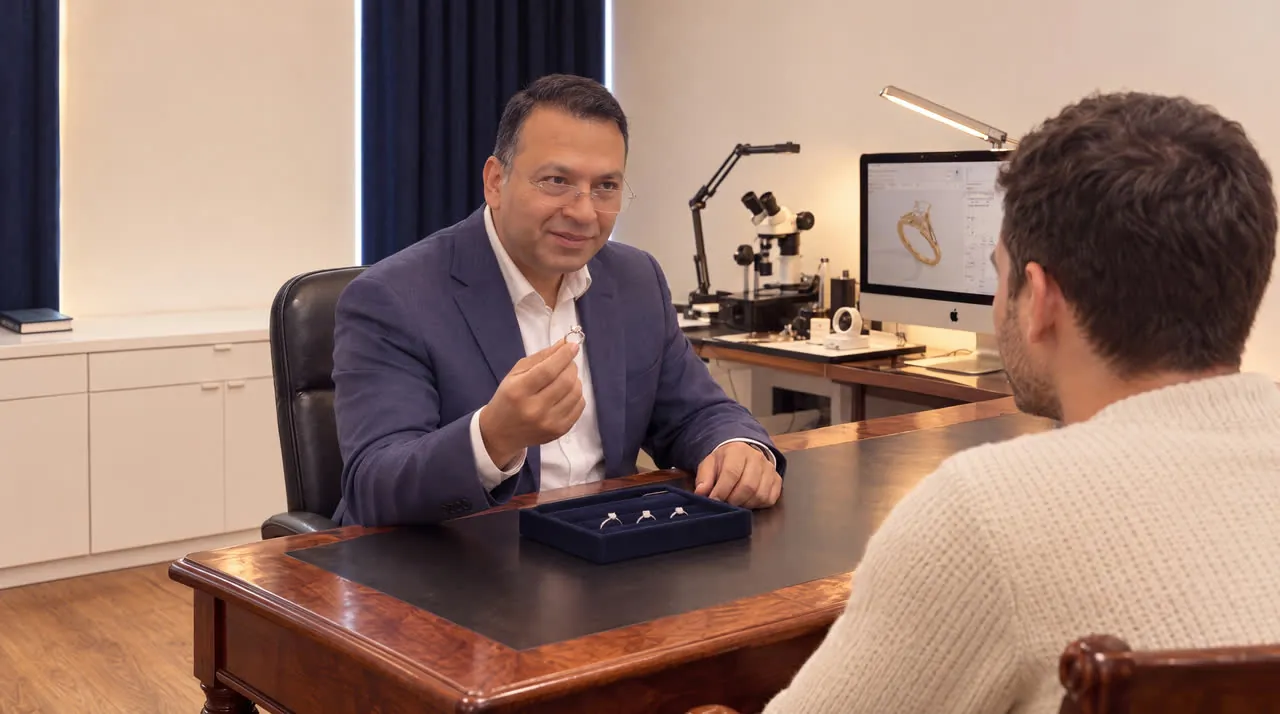
Ask a gemologist
Not sure which diamond to choose?
Raj Sood is a Graduate Gemologist (GIA) who works alongside our master jewellers. Bring the stones you are considering, or send the reports, and he will tell you honestly which one is better and why.
Keep learning
Related guides
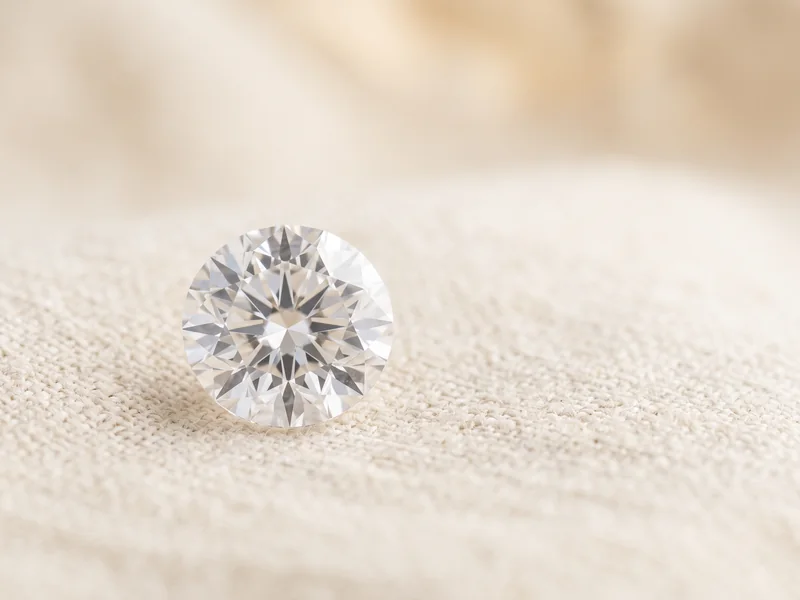 Diamond 4Cs & Grading1 Carat DiamondsDiamond 4Cs & Grading3 Carat Diamonds
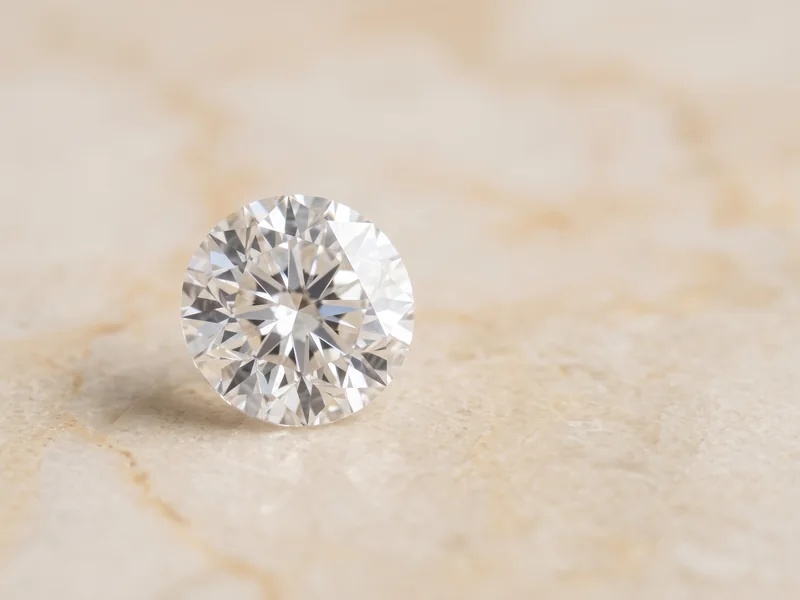 Lab-Grown DiamondsChoosing a 2 Carat Lab-Grown DiamondDiamond 4Cs & GradingDiamond MM to Carat Size Chart (All Shapes)Diamond 4Cs & GradingDiamond 4CsDiamond 4Cs & Grading2.5 Carat Diamonds
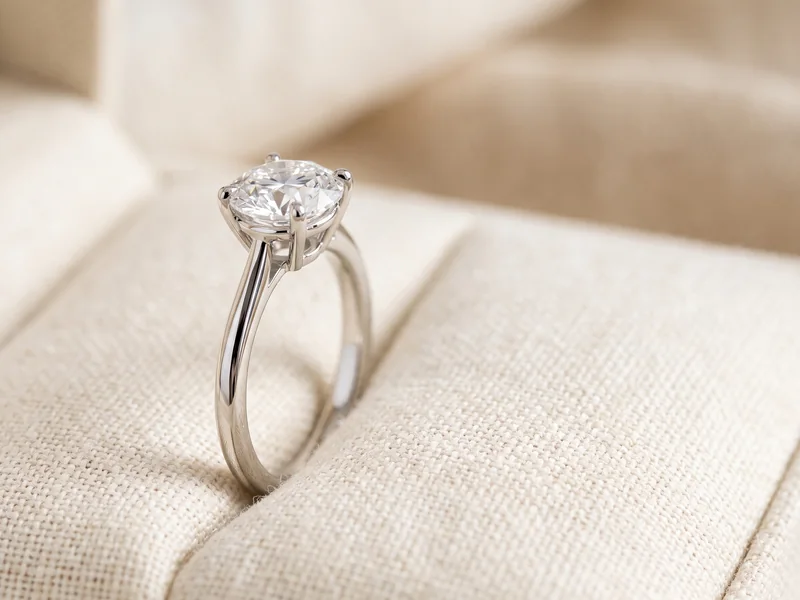 Diamond 4Cs & Grading5 Carat Diamonds
 Diamond 4Cs & GradingDiamond Carat Weight
Explore more
More guides on this topic
Education