
- Education
- Engagement Rings & Settings
- Design Your Own Engagement Ring
Engagement ring design
Design Your Own Engagement Ring
Designing your own engagement ring is easier than it sounds when you make the decisions in the right order. Start with the stone, build the ring around it, and approve every detail in 3D before anything is made.
 Reviewed by Raj Sood, Graduate Gemologist (GIA), AJP (GIA)Founder and Graduate Gemologist (GIA) · reviewed 17 November 2026
Start with the stone: lab-grown diamonds in stock
See all 26,272 in stock →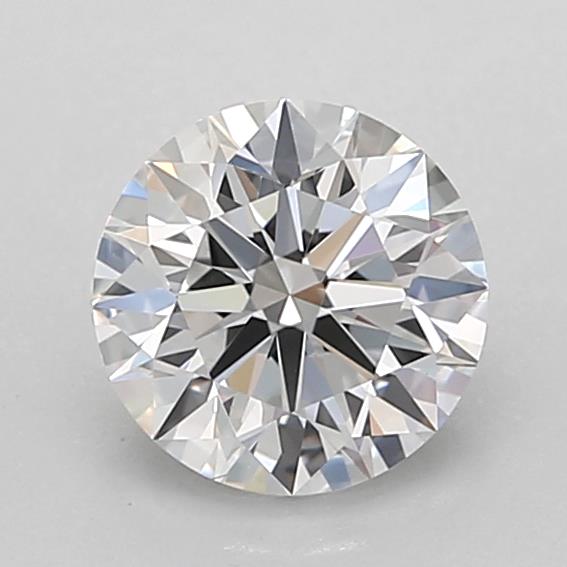 Lab-Grown Diamond1.07 ct Round DiamondD · VVS2 Clarity · ID · EX · EX · NON$748 AUDAll taxes inclusive
 Lab-Grown Diamond1.06 ct Round DiamondF · VVS1 Clarity · EX · EX · EX · NON$748 AUDAll taxes inclusive
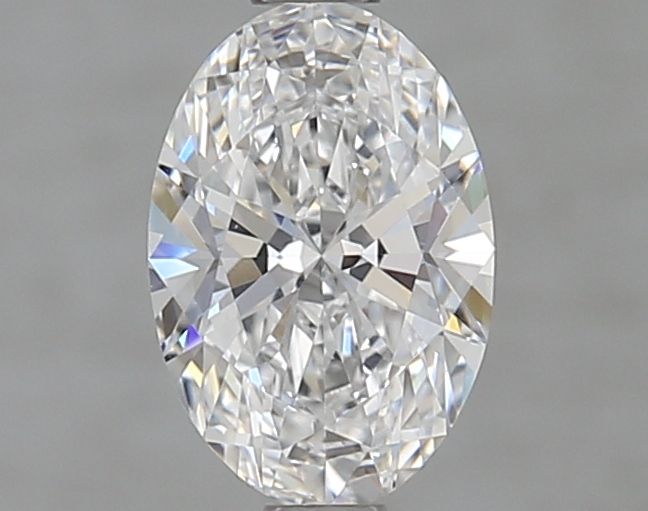 Lab-Grown Diamond1.05 ct Oval DiamondD · VVS2 Clarity · EX · EX · NON$898 AUDAll taxes inclusive
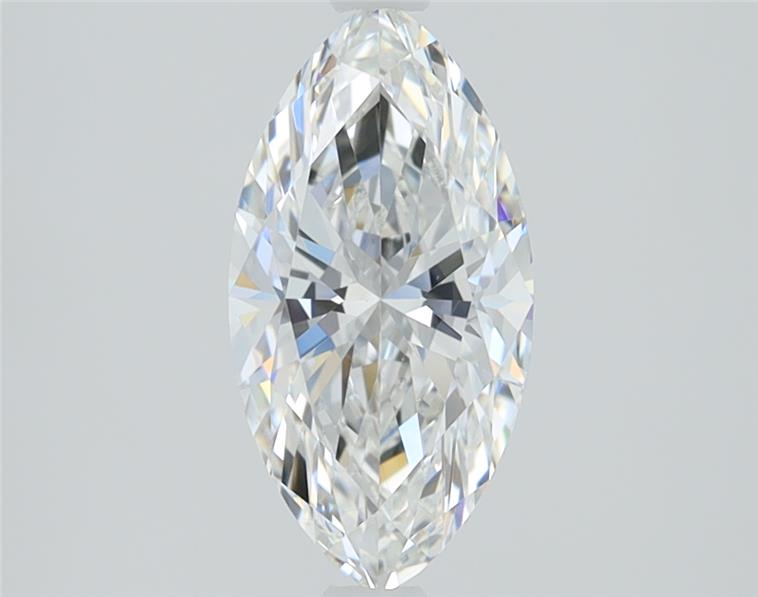 Lab-Grown Diamond1.06 ct Marquise DiamondF · VS1 Clarity · EX · EX · NON$898 AUDAll taxes inclusive
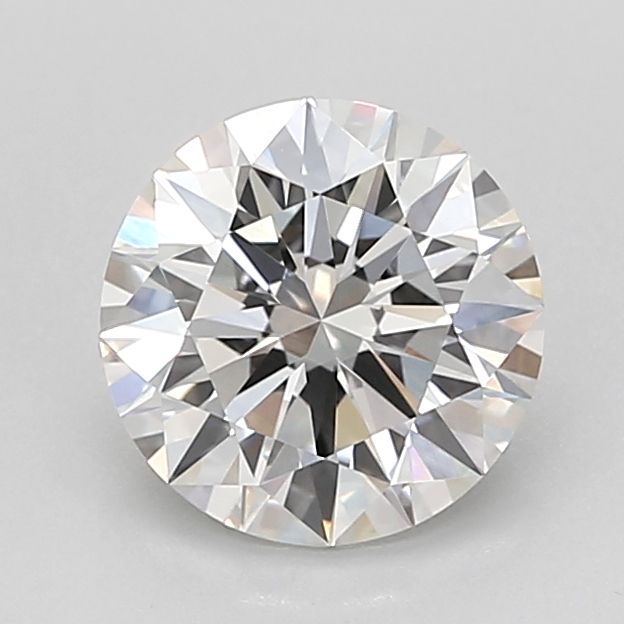 Lab-Grown Diamond1.94 ct Round DiamondF · VVS2 Clarity · ID · EX · EX · NON$1,108 AUDAll taxes inclusive
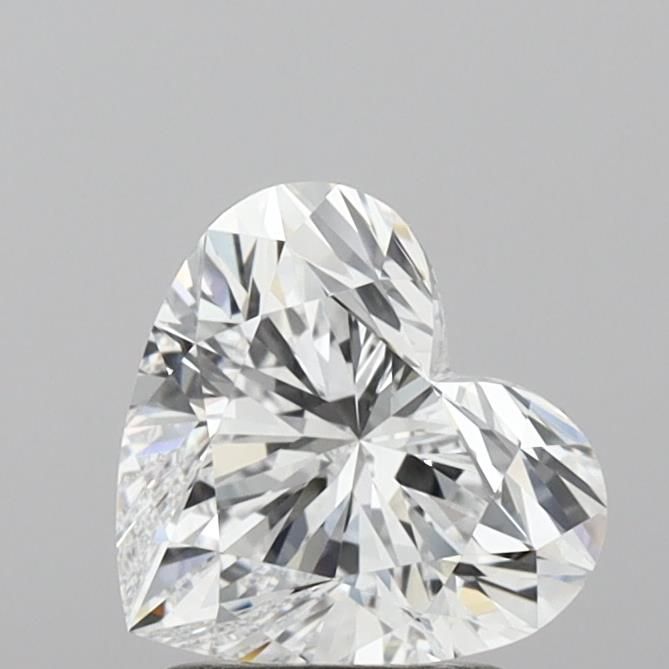 Lab-Grown Diamond1.92 ct Heart DiamondD · VVS2 Clarity · EX · EX · NON$1,118 AUDAll taxes inclusive
In stock when checked on 23 Nov 2026, 5:22 am. Each diamond’s own page shows its live price and availability. Please check the lab report before you commit.
Quick answer
To design your own engagement ring, choose the centre stone first, then the setting, band and metal, and approve a 3D design before anything is made. At GemTrove, Unit 903/125 Swanston St, Melbourne VIC 3000, you can start in our online design studio or with Raj Sood, a Graduate Gemologist (GIA), and we handmake the ring in Melbourne in 3–5 weeks.
How do you design your own engagement ring?
Every good engagement ring design follows the same order. Each decision narrows the next one, so following it saves time and stops you falling in love with a setting that doesn't suit your stone.
- Know the wearer. Their style, the metal colour they wear, their hand size and their daily routine.
- Set a budget. Decide how much goes on the stone and how much on the setting. See how much to spend on an engagement ring.
- Choose the centre stone. Shape first, then natural diamond, lab-grown diamond or coloured gemstone.
- Choose the setting style. Solitaire, halo, three-stone or something more unusual.
- Choose the band and metal. Width, profile, shoulders and the metal it is made in.
- Add personal details. Hidden stones, engraving or a design only the wearer knows about.
- Approve the 3D design. Our CAD designers model the ring around your stone, and nothing is made until you approve it.
- Handmade in Melbourne. Our master jewellers make the ring in 3–5 weeks.
Is it more expensive to design your own engagement ring?
It does not have to be. A ring you design has two costs: the centre stone you choose and the setting made for it. You control both, so a simple design around a carefully chosen stone can cost less than an elaborate ready-made ring. The stone is usually the larger part, and it is the part we can show you a price for today. The setting is quoted once the design is agreed, because the metal, the side stones and the hand work differ for every ring.
| Centre stone size | Natural diamond | Lab-grown diamond |
|---|---|---|
| 1.00 ct | from $2,118; mid-range around $5,938; 9,435 in stock | from $638; mid-range around $778; 6,718 in stock |
| 1.50 ct | from $5,098; mid-range around $14,788; 2,208 in stock | from $738; mid-range around $958; 6,483 in stock |
| 2.00 ct | from $11,468; mid-range around $34,338; 1,006 in stock | from $888; mid-range around $1,268; 5,506 in stock |
These are loose diamond prices from GemTrove's live stock on 17 November 2026, in Australian dollars with taxes included. They are for D to G colour and VVS1 to SI1 clarity, the grades GemTrove normally sells, at that size. Lower colour and clarity grades cost less and are listed in the catalogue. Prices change daily, and each diamond's own page shows its current price. Browse the natural diamond catalogue or the lab-grown diamond catalogue, or compare sizes in our guides to 1 carat diamonds and 2 carat diamonds.
Natural diamonds to design around, in stock
See all 38,713 in stock →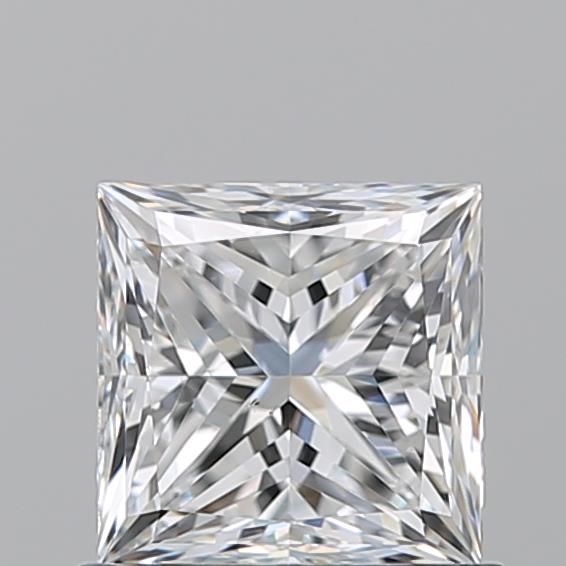 Natural Diamond1.01 ct Princess DiamondF · VS2 Clarity · EX · EX · FNT$3,138 AUDAll taxes inclusive
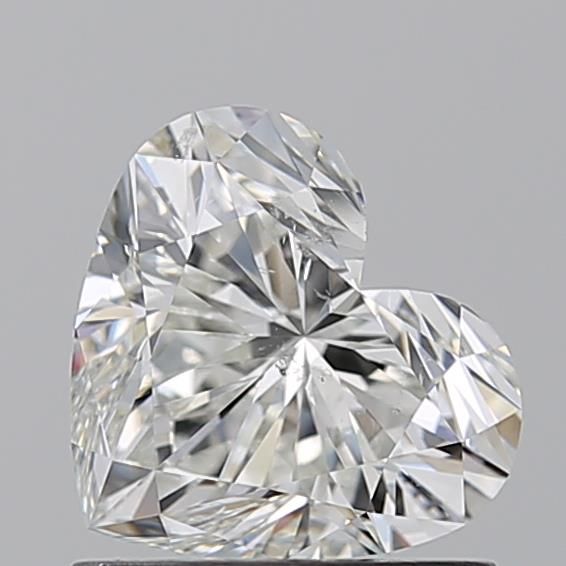 Natural Diamond1.02 ct Heart DiamondH · SI2 Clarity · EX · EX · NON$3,138 AUDAll taxes inclusive
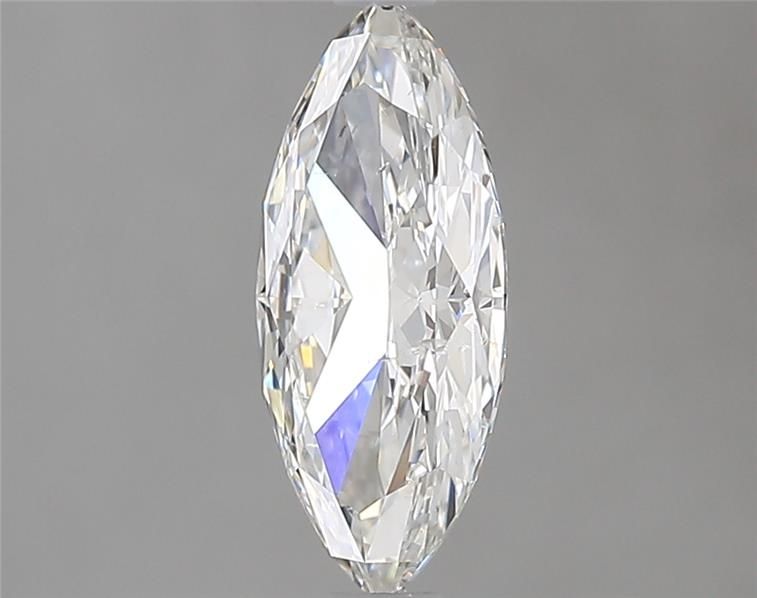 Natural Diamond1.02 ct Marquise DiamondG · SI2 Clarity · EX · EX · NON$4,708 AUDAll taxes inclusive
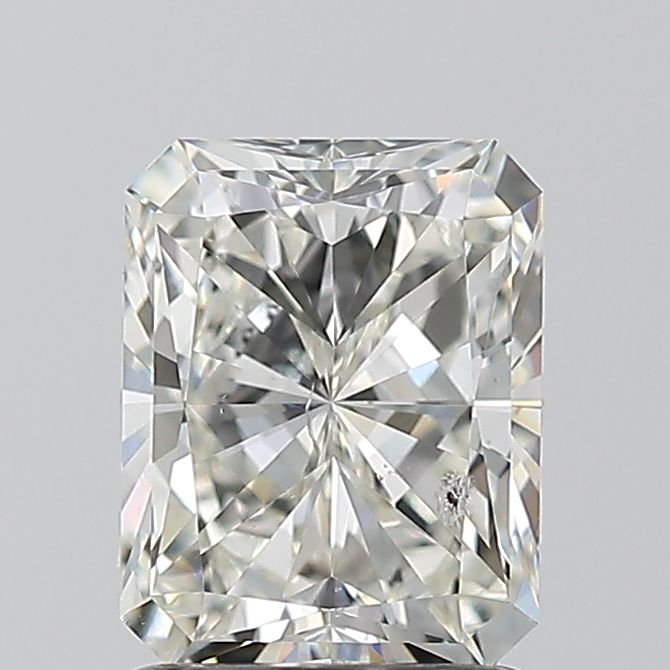 Natural Diamond1.50 ct Radiant DiamondJ · SI2 Clarity · EX · VG · FNT$4,708 AUDAll taxes inclusive
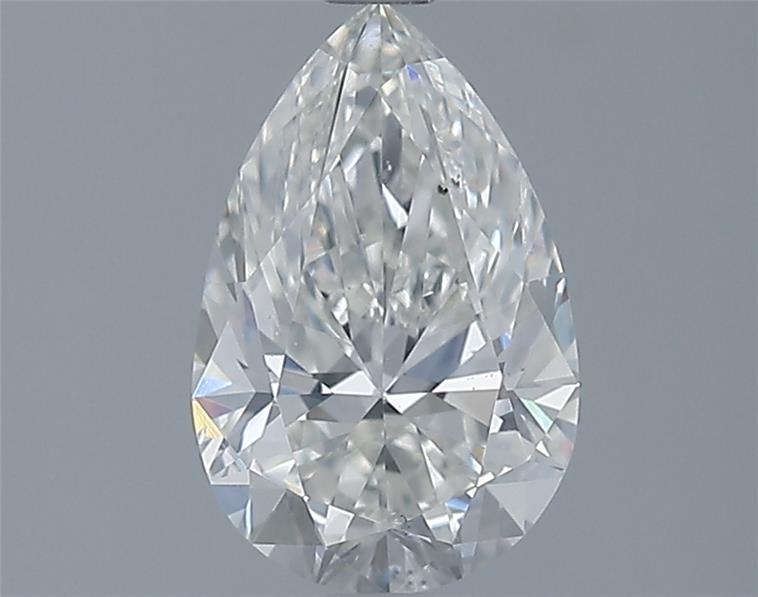 Natural Diamond1.50 ct Pear DiamondI · SI1 Clarity · VG · VG · NON$8,318 AUDAll taxes inclusive
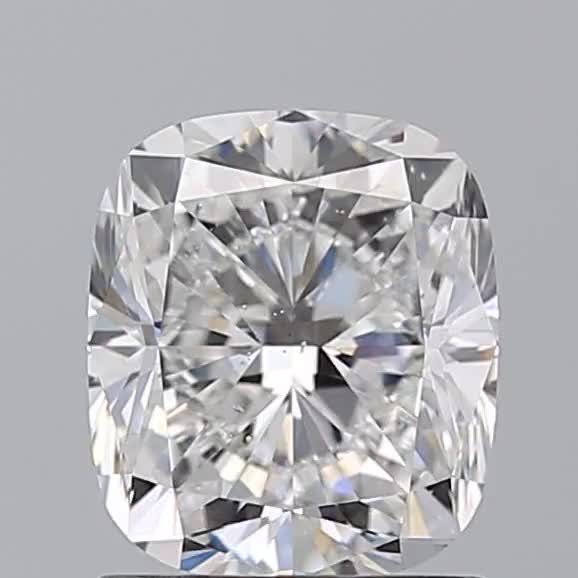 Natural Diamond1.50 ct Cushion DiamondE · SI1 Clarity · EX · EX · FNT$8,318 AUDAll taxes inclusive
In stock when checked on 23 Nov 2026, 5:48 am. Each diamond’s own page shows its live price and availability. Please check the lab report before you commit.
Most of the budget usually goes on the centre stone, so the stone's shape, size, colour, clarity and cut, and whether it is natural or lab-grown, make the biggest difference. See why diamonds with the same 4Cs can cost different amounts.
- The metal and its weight: platinum and higher-karat gold cost more, and a wider band uses more metal.
- Small diamonds: a halo, pavé shoulders or a hidden halo add stones and setting time.
- Complexity: unusual shapes, split shanks and fine detail take longer to make and finish by hand.
Tell us your budget at the start and we design within it. Your quote covers the stone and the setting before anything is made.
The price you see on a diamond is the price you pay for it. Read our pricing guarantee for how we set prices and our quality guarantee for what we stand behind, and please check the lab report before you commit to any stone.
What do customers say about designing a ring with GemTrove?
These are Google reviews from GemTrove customers, quoted word for word. GemTrove holds a 5.0 rating on Google.
5.0 on Google
★★★★★
“… i have a very custom ring i was after as it was an engagement ring, what i wanted was exactly what i got …”
Eric G.
Google review · custom engagement ring
★★★★★
“… Raj has been incredible to work with and guided us through designing both our engagement rings last year and now the wedding rings. … The craftsmanship and attention to detail are outstanding, and the rings turned out even more beautiful than we imagined. …”
Tanveer D.
Google review · engagement and wedding rings
★★★★★
“Raj is very friendly and knowledgeable on all things diamonds. I went to him to make an engagement ring for me after seeing all his positive reviews. He helped me design the perfect ring. He listened to everything I was looking for and gave me great advice along the way.”
The Adsta
Google review · engagement ring
★★★★★
“… His advice on the ring size, design, and overall style was invaluable, and he took the time to ensure every detail was perfect. The entire process was smooth, transparent, and completed within the expected timeframe. …”
Seno R.
Google review · engagement ring
★★★★★
“… I had a deadline too which he went above and beyond to meet. …”
Gary L.
Google review · ring made to a deadline
Read all GemTrove reviews on Google
Should you start with the diamond or the setting?
Start with the stone. The setting is shaped around the exact measurements of the diamond or gemstone, so a setting chosen first often has to be changed later. The shape decides the look of the whole ring; our guide to which diamond shape looks biggest per carat helps if size on the hand matters to you.
- Natural or lab-grown diamond: the same look and hardness, at very different prices. See lab-grown vs natural diamonds.
- Coloured gemstone: sapphire is the most popular choice for daily wear. See sapphire engagement rings and natural vs lab-grown gemstones.
- Your own stone: a family diamond can be the centre of a new design. See setting a loose diamond.
You can search diamonds in our natural and lab-grown catalogues, each with its grading report, and most with a video.
Not sure which one is right?
Send us the stones you are looking at and our gemologist will tell you which to choose and why.
Which setting style should you choose?
- Solitaire: one stone, nothing to distract from it. See solitaire engagement rings.
- Halo: a ring of small diamonds makes the centre look bigger. See halo engagement rings.
- Hidden halo: the small diamonds sit under the stone, seen from the side. See hidden halo engagement rings.
- Three-stone: a centre stone with a matching stone on each side. See three-stone engagement rings.
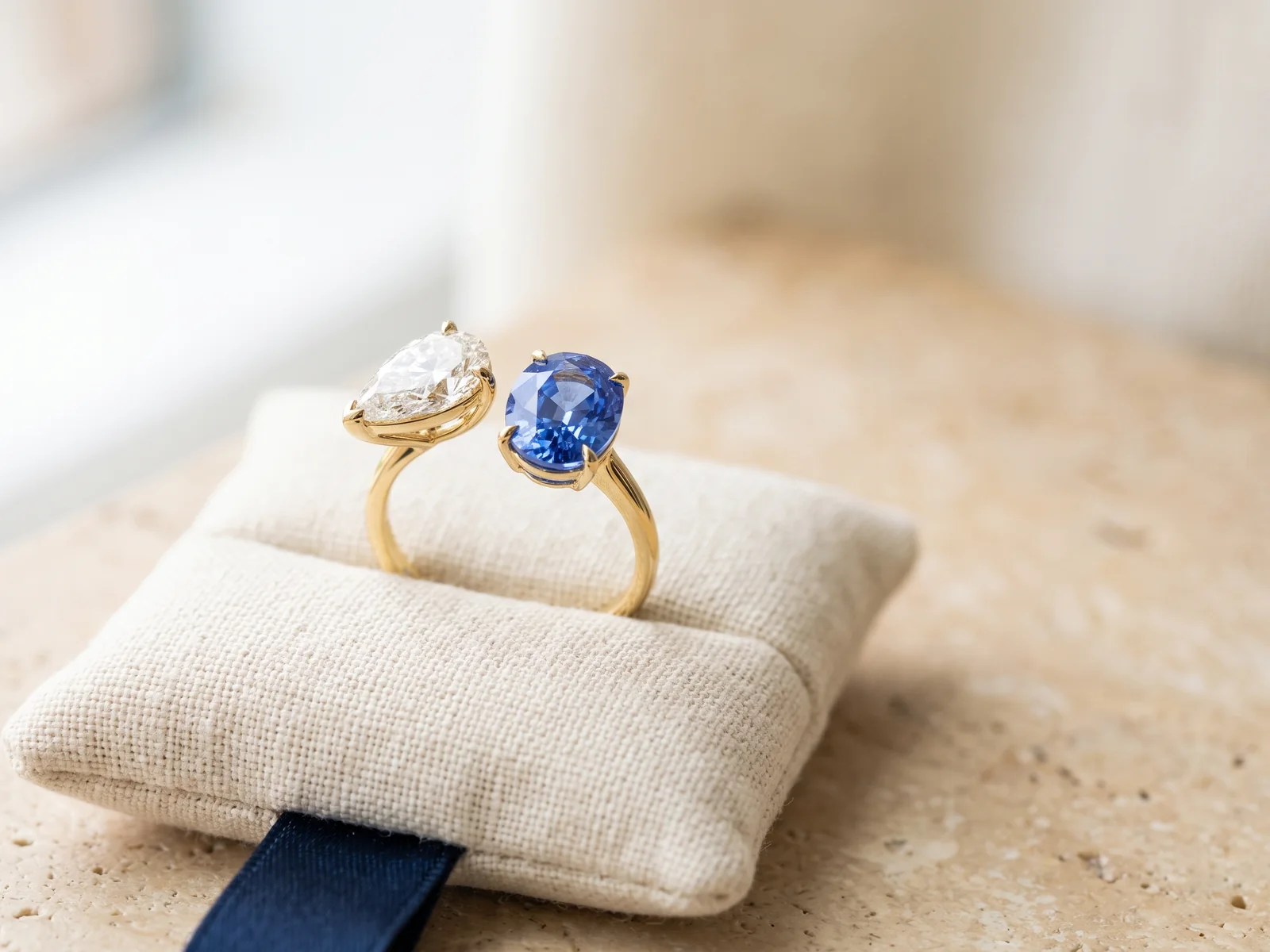
- Toi et moi: two stones side by side. See how to balance a toi et moi ring.
- Bezel: a rim of metal around the stone for active hands. See bezel vs claw settings.
With claws, the number and shape of the claws change the look more than most people expect. See claw types explained and four-claw vs six-claw solitaires.
How wide should the band be?
Most engagement ring bands sit between about 1.8 and 3 mm. A finer band makes the stone look larger; a wider one wears better and suits bigger hands and heavier stones. See engagement ring band widths and band profiles. A reverse taper band widens towards the shoulders for a bolder look.
Think about the wedding band now, not later. If the two rings must sit flush, the engagement ring is designed to allow it. See how to match a wedding band to an engagement ring.
Which metal should you design your ring in?
Platinum, white gold, yellow gold and rose gold all make beautiful engagement rings. The choice changes the colour, the weight on the hand and the upkeep. See the best metal for engagement rings, white gold vs platinum and yellow, white and rose gold.
Metal colour also changes how a diamond looks: yellow gold warms a diamond's colour, while platinum and white gold keep it looking icy. See how ring metal changes diamond colour.
How do you design a ring for everyday wear?
An engagement ring is worn every day for decades, so design for real life. Lower settings catch less; bezels and six claws protect corners and edges; harder gemstones handle knocks better. See settings for active hands and gemstone durability for everyday rings.
Fingers change size over the years, and some designs can't be resized easily. See designing for future resizing.
What happens after you design it?
Our in-house CAD designers model your ring in 3D around the exact measurements of your stone. You review the renders, ask for changes, and approve the final design. Nothing is made until you approve it. Our guide to reading a CAD render shows what to look for.
Then our master jewellers make the ring by hand in our Melbourne workshop in 3–5 weeks. See from CAD to casting and handmade vs CAD custom rings.
How can you make the design personal?
Small details make a ring yours: a hidden stone under the centre, a birthstone inside the band, milgrain edges or a message engraved on the diamond itself. See hidden details that make a ring personal, milgrain and engraving patterns and diamond laser engraving ideas.
Can you design an engagement ring online?
Yes. Our online design studio lets you choose a stone and setting and see your choices together. Many people start online and finish in the showroom, because seeing stones side by side helps with the final decision. See buying online vs in store.
In person, Raj will talk through stone, style and metal with you; see what happens at a consultation. For the full custom service, see custom engagement rings in Melbourne, and compare your options in our Melbourne engagement rings guide.
Where can you design an engagement ring in Melbourne?
At our showroom on Swanston Street, or online to start. GemTrove has been in business since 2008, and our family has been in the jewellery trade since 1984.
- Showroom: Unit 903/125 Swanston St, Melbourne VIC 3000 (Level 9), by appointment.
- Hours: Monday to Friday 9:30 am to 5:30 pm, Saturday 11:30 am to 1:00 pm, Sunday closed.
- Phone: 0488 878 000.
- Book: book a design consultation, and bring photos of rings you like.
Free consultation
Talk to a gemologist
Compare stones in person or online with Raj Sood, Graduate Gemologist (GIA), AJP (GIA).
Book a consultationShop this shape
FAQ
Common questions
Can I design my own engagement ring?
Yes. You choose the stone, setting, band and metal, approve a 3D design, and our master jewellers handmake it in Melbourne in 3–5 weeks.
Is it more expensive to design your own engagement ring?
Not necessarily. You pay for the stone you choose and the setting made for it. At GemTrove on 17 November 2026, in D to G colour and VVS1 to SI1 clarity, certified 1 carat natural diamonds started at $2,118 and 1 carat lab-grown diamonds at $638, taxes included; the setting is quoted after the design is agreed.
Should I choose the diamond or the setting first?
The diamond or gemstone. The setting is modelled around the stone's exact measurements, so choosing the stone first avoids redesigning later.
How long does it take to make a ring I've designed?
3–5 weeks to handmake it in Melbourne once you have approved the 3D design.
Can I design a ring around my own diamond?
Yes. Bring the stone and we design the setting around it. We check its condition before we start.
Do I have to come into the showroom?
No. You can start in our online design studio. Many people visit to see stones side by side before the final choice.
Can I change the design after seeing the 3D renders?
Yes. You review the renders and ask for changes until it's right. Nothing is made until you approve it.
What is the most practical design for everyday wear?
A lower setting, a band of around 2–3 mm and protective claws or a bezel. See settings for active hands.
Ask a gemologist
Not sure which diamond to choose?
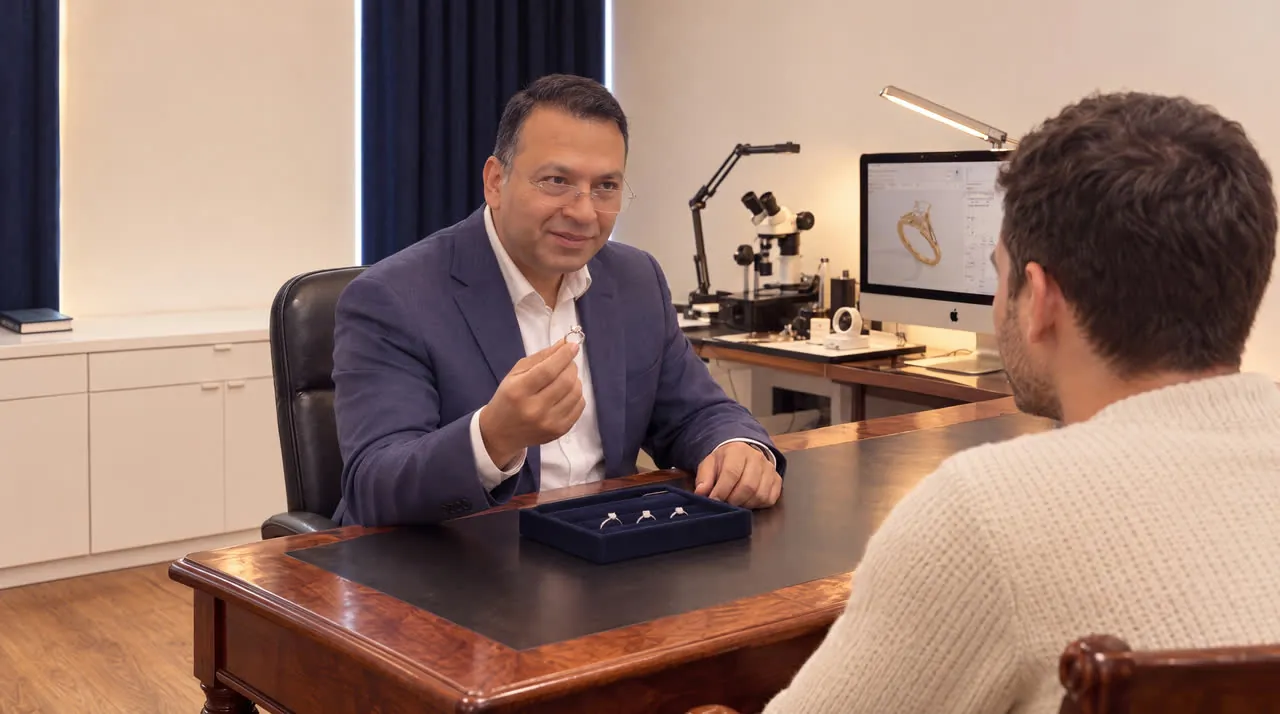
Raj Sood is a Graduate Gemologist (GIA) who works alongside our master jewellers. Bring the stones you are considering, or send the reports, and he will tell you honestly which one is better and why.
Keep learning
Related guides
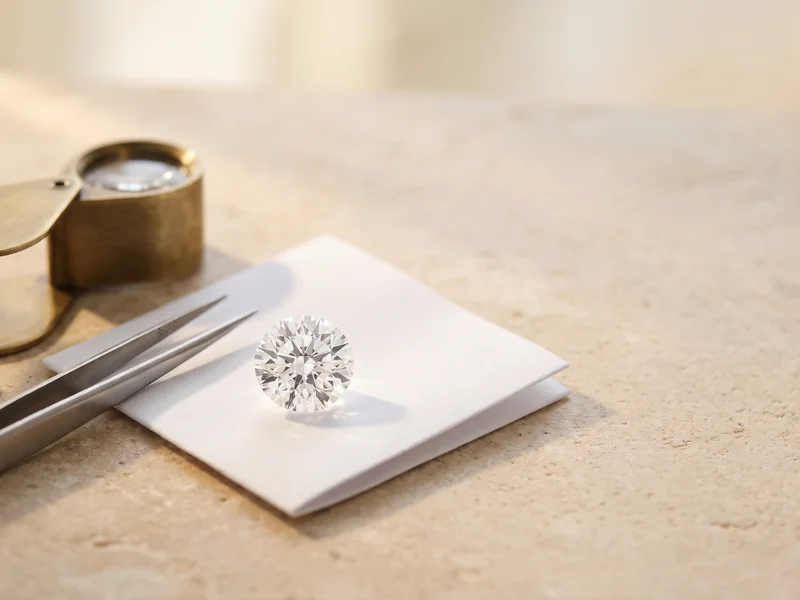 Buying Knowledge & Custom ProcessWhat Happens at a Custom Engagement Ring Consultation?
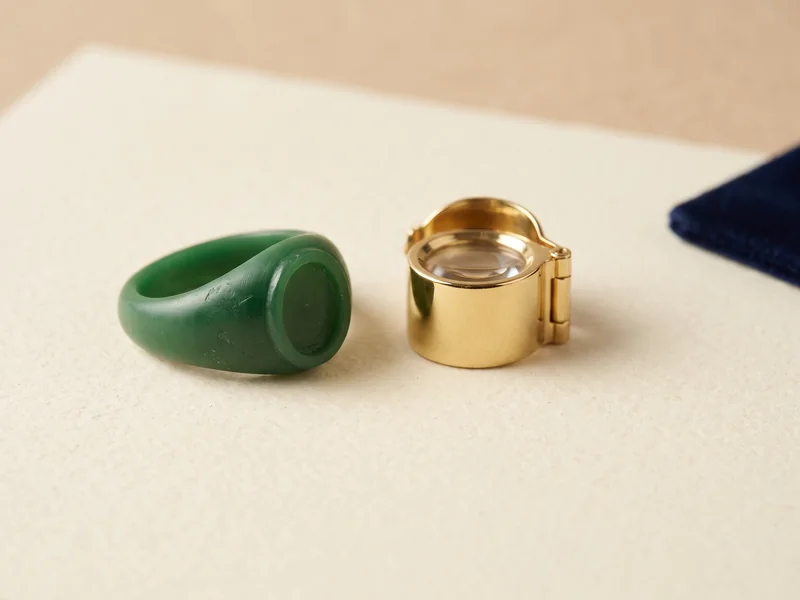 Buying Knowledge & Custom ProcessHow to Read an Engagement Ring CAD Render
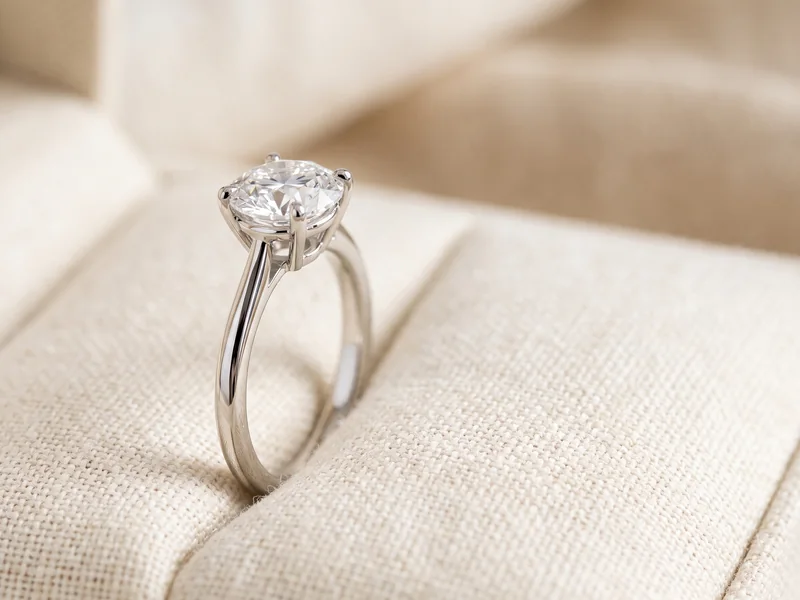 Engagement Rings & SettingsSolitaire Engagement RingsMetalsBest Metal for Engagement Rings
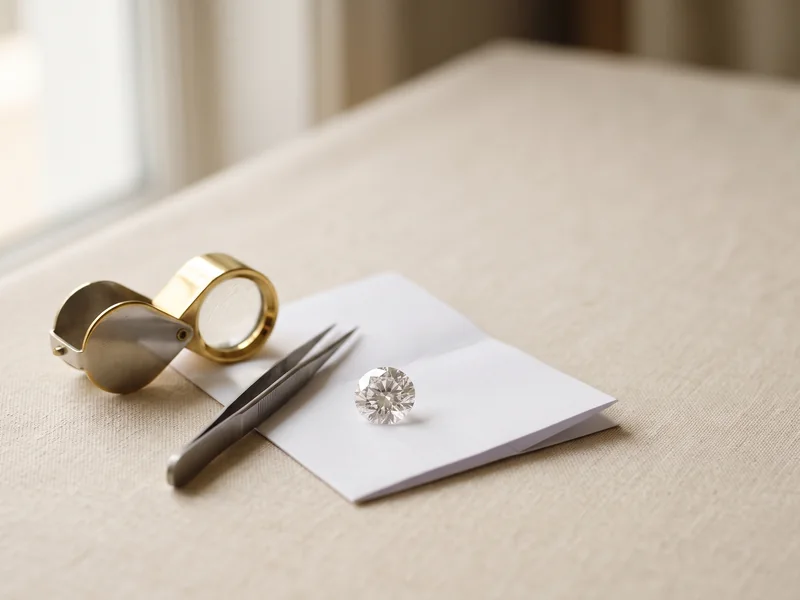 Buying Knowledge & Custom ProcessHow Much Should You Spend on an Engagement Ring?
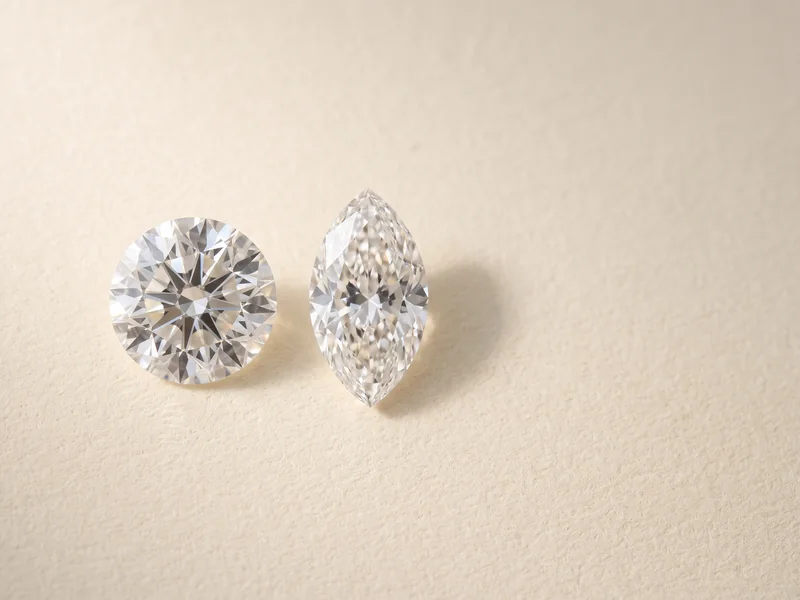 Diamond ShapesWhich Diamond Shape Looks Biggest per Carat
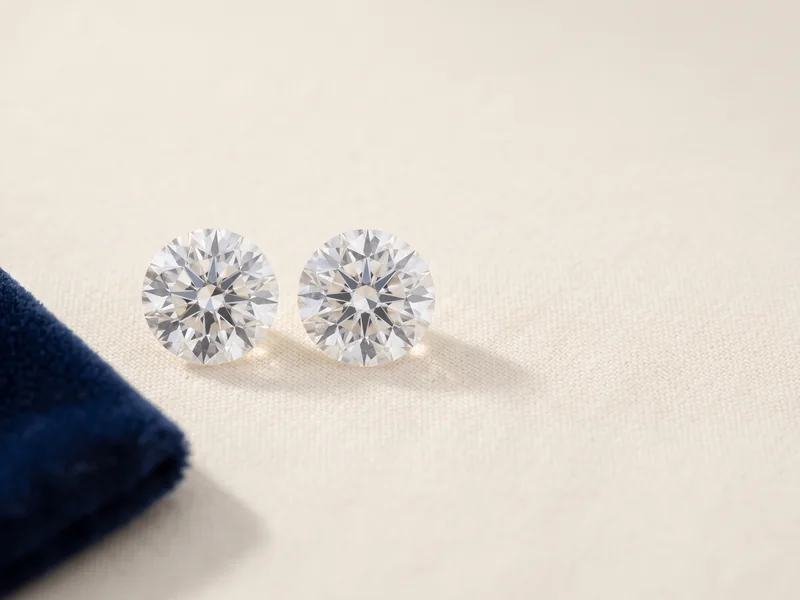 Lab-Grown DiamondsLab-Grown Diamonds vs Natural Diamonds
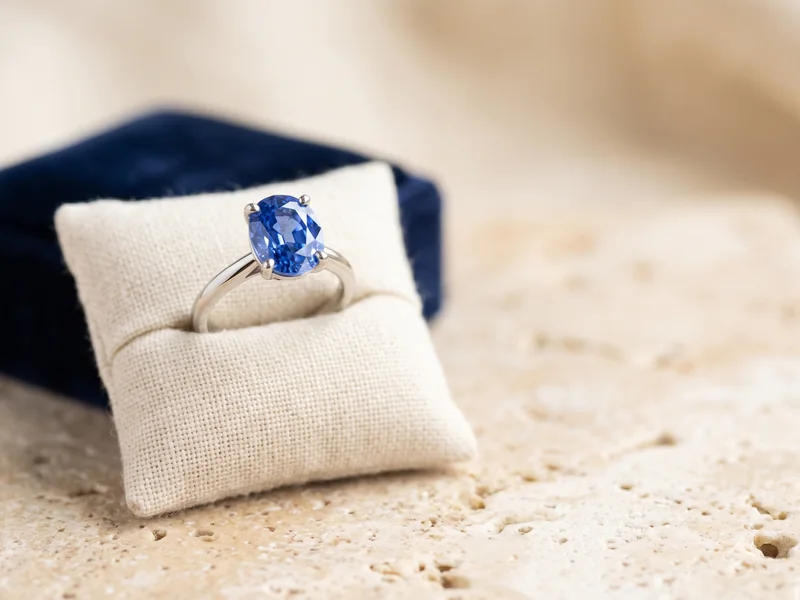 GemstonesSapphire Engagement Rings in Melbourne
Explore more
More guides on this topic
Education