
- Education
- Natural Diamonds
- Natural Diamond Engagement Rings Melbourne
Natural diamonds
Natural Diamond Engagement Rings Melbourne
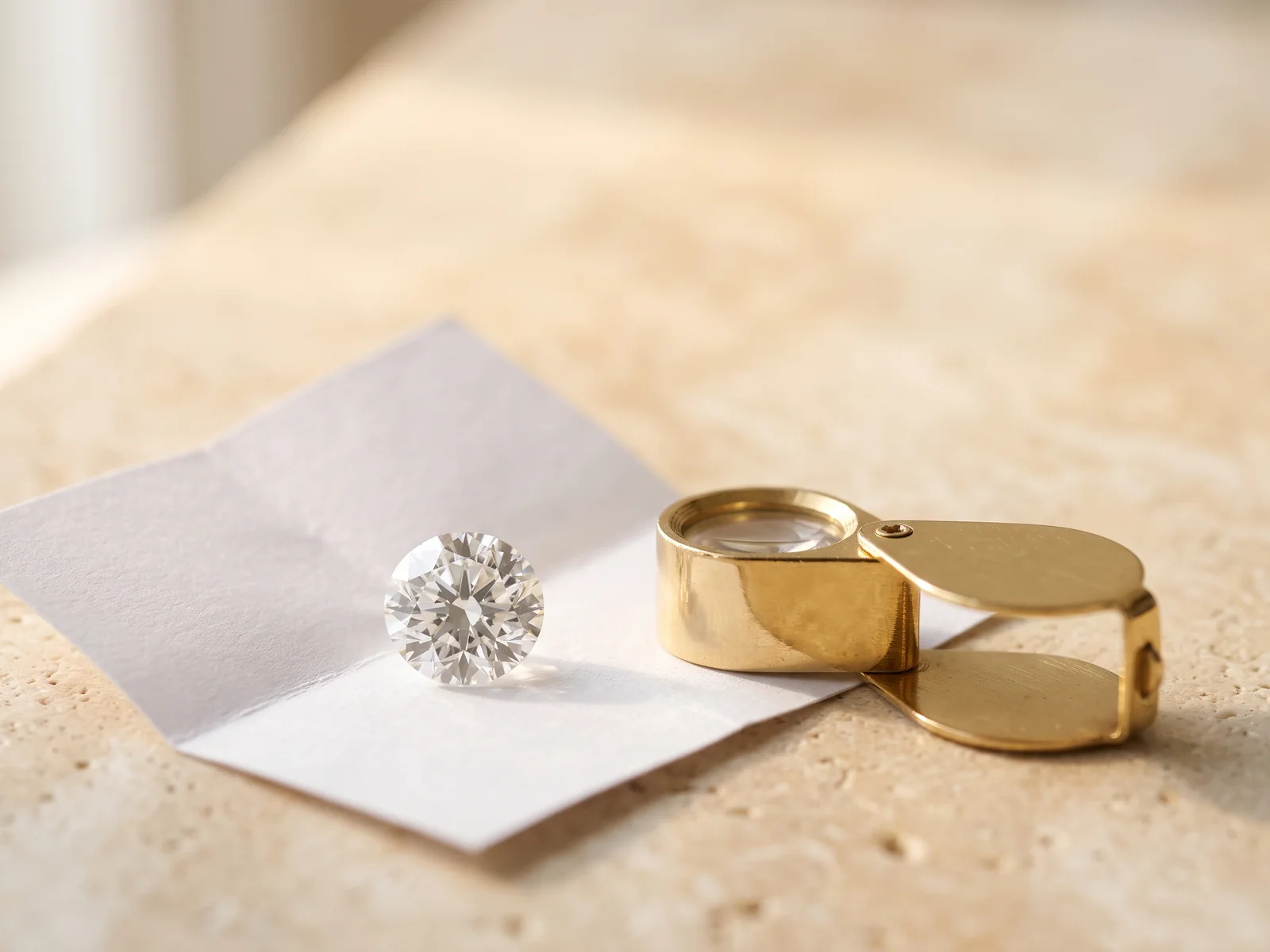
Choose a certified natural diamond from live stock, then have your engagement ring designed and handmade around it in Melbourne with Raj Sood, a Graduate Gemologist (GIA). Every diamond below is natural, in stock, and listed with its own price.
 Reviewed by Raj Sood, Graduate Gemologist (GIA), AJP (GIA)Founder and Graduate Gemologist (GIA) · reviewed 17 November 2026
Natural diamonds for engagement rings, in stock
See all 38,713 in stock →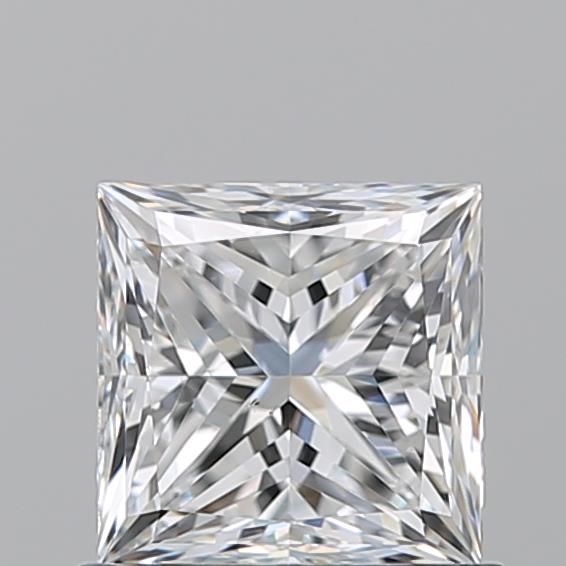 Natural Diamond1.01 ct Princess DiamondF · VS2 Clarity · EX · EX · FNT$3,138 AUDAll taxes inclusive
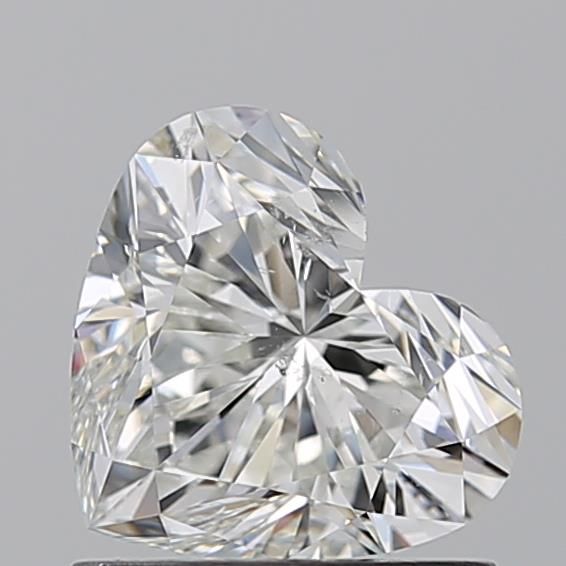 Natural Diamond1.02 ct Heart DiamondH · SI2 Clarity · EX · EX · NON$3,138 AUDAll taxes inclusive
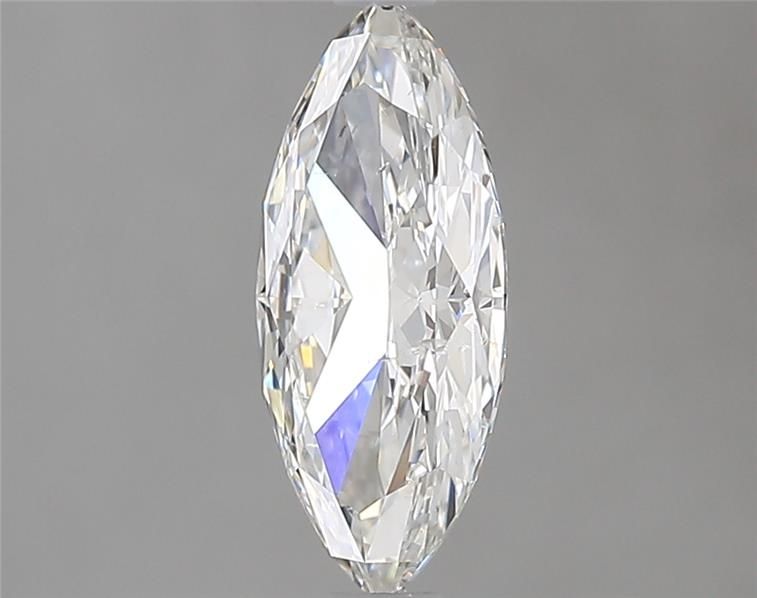 Natural Diamond1.02 ct Marquise DiamondG · SI2 Clarity · EX · EX · NON$4,708 AUDAll taxes inclusive
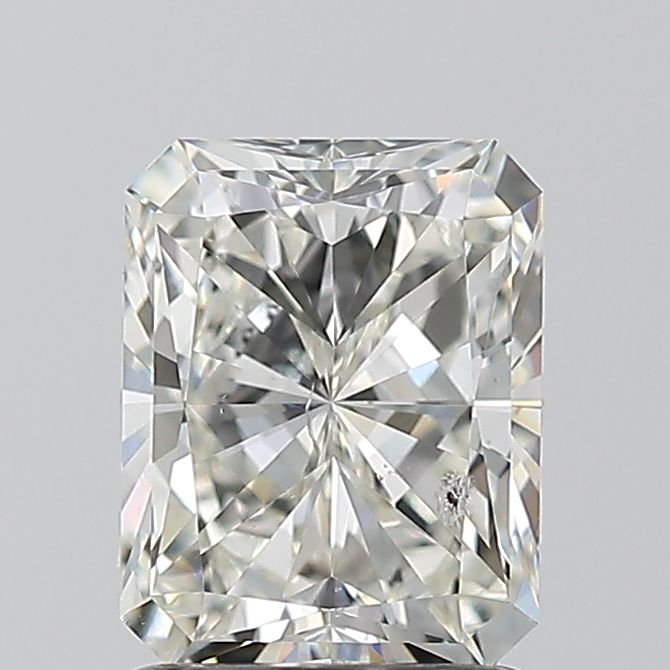 Natural Diamond1.50 ct Radiant DiamondJ · SI2 Clarity · EX · VG · FNT$4,708 AUDAll taxes inclusive
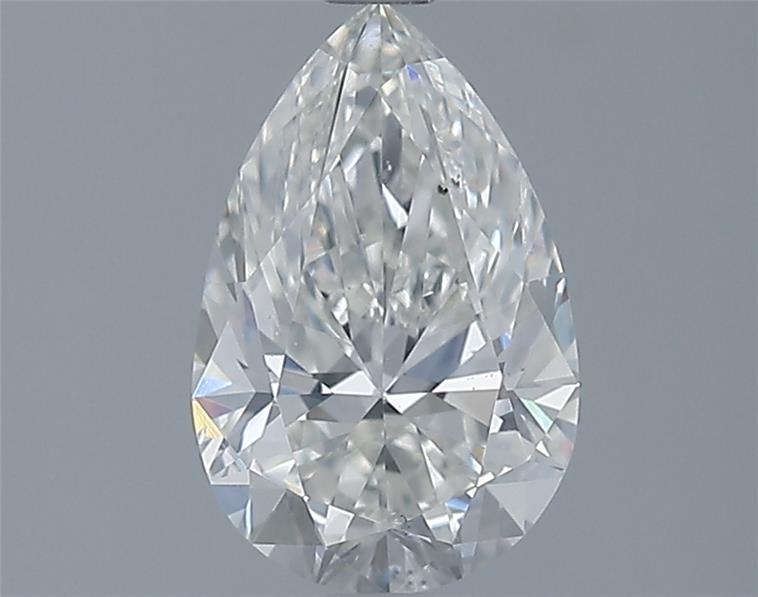 Natural Diamond1.50 ct Pear DiamondI · SI1 Clarity · VG · VG · NON$8,318 AUDAll taxes inclusive
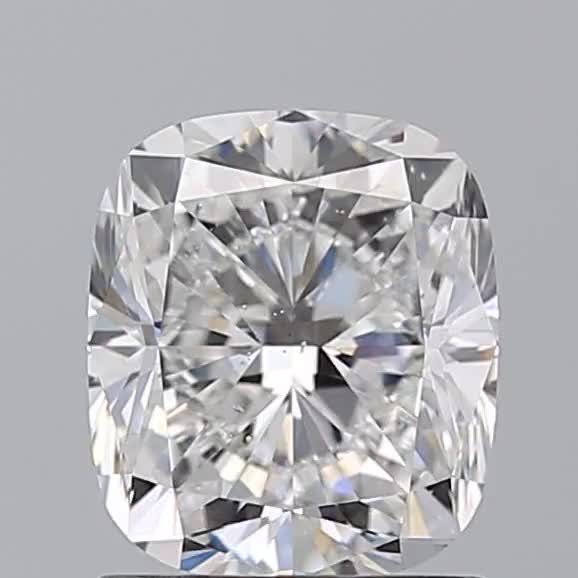 Natural Diamond1.50 ct Cushion DiamondE · SI1 Clarity · EX · EX · FNT$8,318 AUDAll taxes inclusive
In stock when checked on 23 Nov 2026, 5:48 am. Each diamond’s own page shows its live price and availability. Please check the lab report before you commit.
Quick answer
GemTrove makes natural diamond engagement rings in Melbourne at Unit 903/125 Swanston St, Melbourne VIC 3000. On 17 November 2026, in D to G colour and VVS1 to SI1 clarity, certified 1 carat natural diamonds started at $2,118, with the middle of the range around $5,938, taxes included. You choose the diamond with Raj Sood, a Graduate Gemologist (GIA), approve a 3D design, and the ring is handmade in 3–5 weeks.
How much does a natural diamond engagement ring cost in Melbourne?
A natural diamond engagement ring has two costs: the diamond and the setting. The diamond is usually the larger part, and it is the part we can show you a price for today, because every natural diamond in our catalogue is listed with its own price. The setting is quoted once the design is agreed, because the metal, the side stones and the hand work differ for every ring.
| Natural diamond size | Price, D–G, VVS–SI1 | In stock in those grades |
|---|---|---|
| 0.50 ct | from $1,588; mid-range around $1,998 | 27,519 diamonds |
| 1.00 ct | from $2,118; mid-range around $5,938 | 9,435 diamonds |
| 1.50 ct | from $5,098; mid-range around $14,788 | 2,208 diamonds |
| 2.00 ct | from $11,468; mid-range around $34,338 | 1,006 diamonds |
| 3.00 ct | from $36,608; mid-range around $72,698 | 159 diamonds |
These are loose natural diamond prices from GemTrove's live stock on 17 November 2026, in Australian dollars with taxes included. They are for D to G colour and VVS1 to SI1 clarity, the grades GemTrove normally sells, at that size. Lower colour and clarity grades cost less and are listed in the catalogue, and the mid-range figure is the price around the middle of the stones in those grades. Prices change daily, and each diamond's own page shows its current price. Browse the full natural diamond catalogue, or see the diamond price guide for Australia for how each grade moves the price.
Natural diamonds, 1.5 to 2 carats, in stock
See all 16,982 in stock →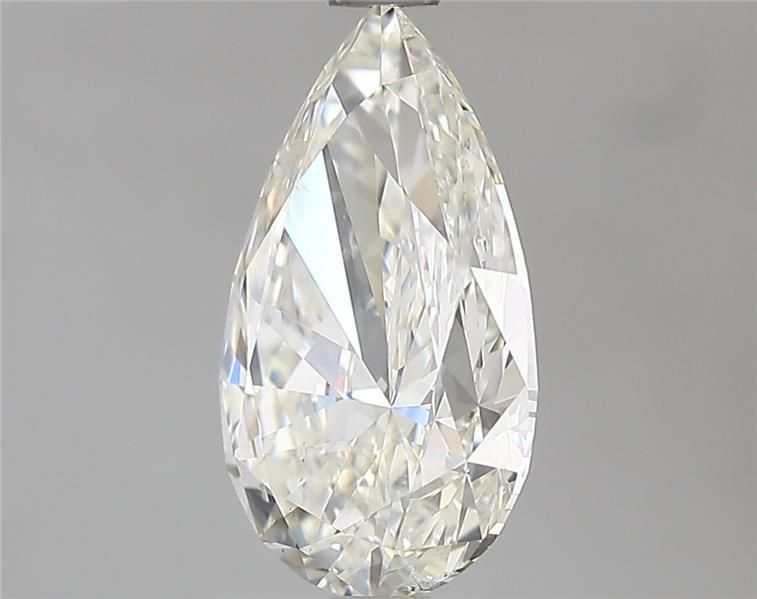 Natural Diamond1.52 ct Pear DiamondH · SI2 Clarity · EX · EX · SLT$5,298 AUDAll taxes inclusive
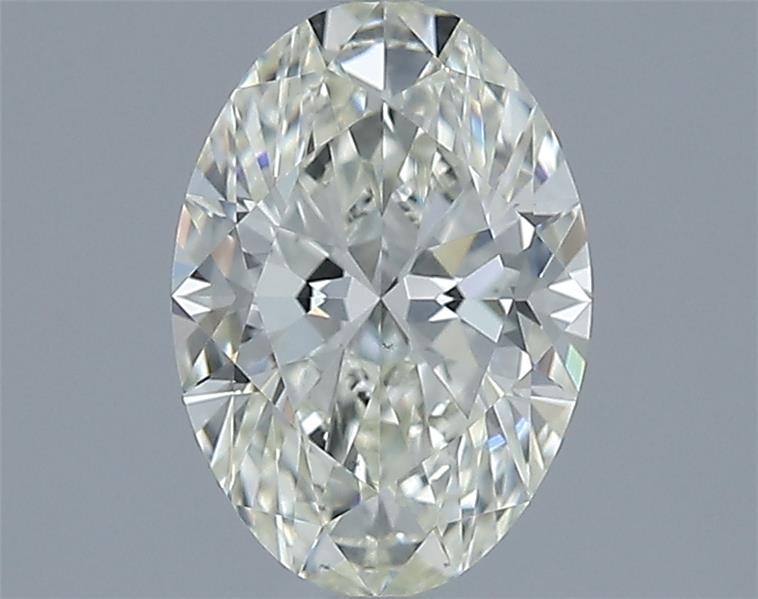 Natural Diamond1.54 ct Oval DiamondL · VS1 Clarity · EX · EX · MED$5,298 AUDAll taxes inclusive
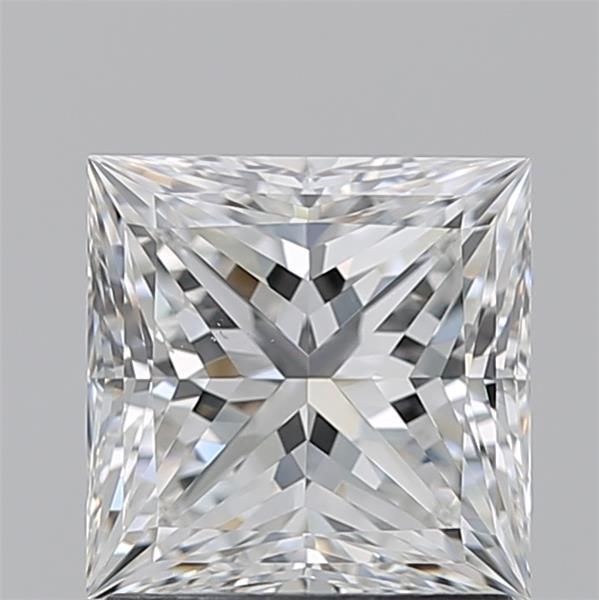 Natural Diamond1.51 ct Princess DiamondG · VS2 Clarity · EX · EX · NON$8,968 AUDAll taxes inclusive
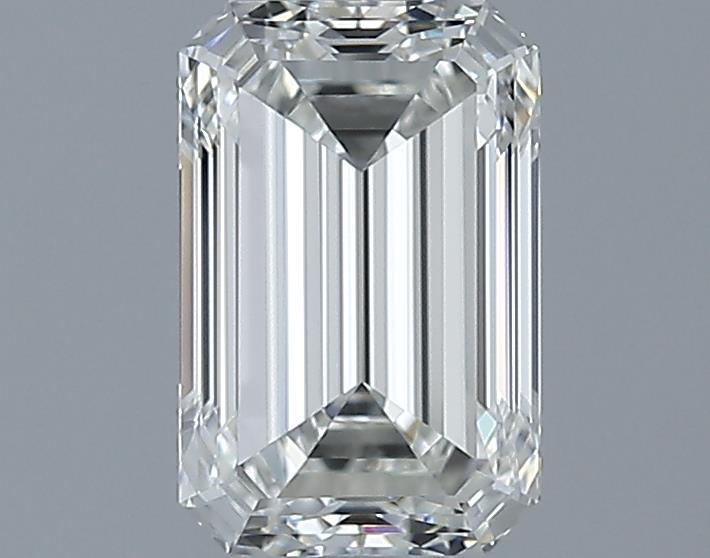 Natural Diamond1.50 ct Emerald DiamondI · VVS1 Clarity · EX · EX · NON$8,968 AUDAll taxes inclusive
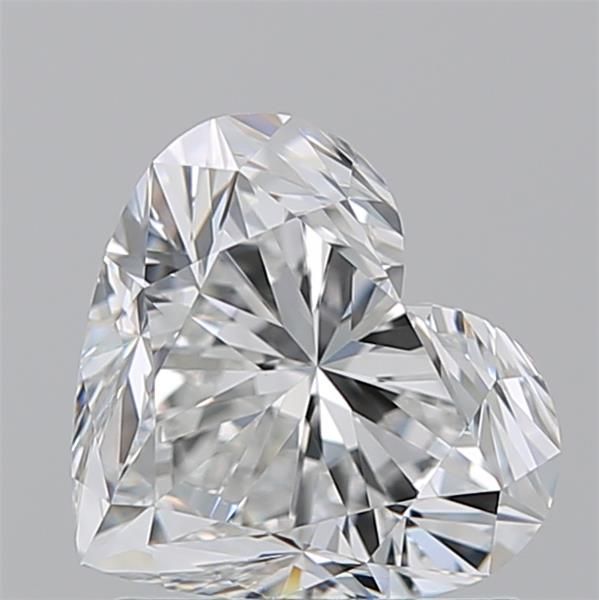 Natural Diamond1.50 ct Heart DiamondF · VVS2 Clarity · EX · EX · NON$17,818 AUDAll taxes inclusive
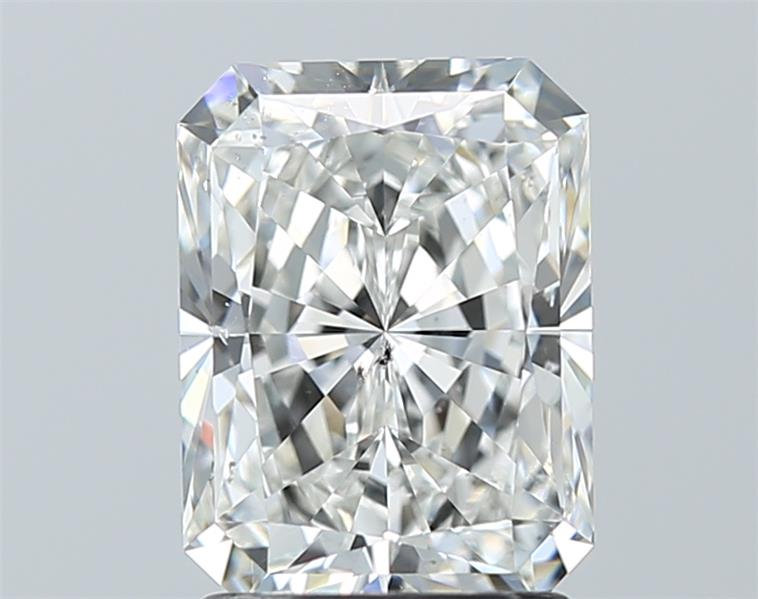 Natural Diamond2.03 ct Radiant DiamondG · SI2 Clarity · EX · EX · NON$17,838 AUDAll taxes inclusive
In stock when checked on 23 Nov 2026, 5:01 am. Each diamond’s own page shows its live price and availability. Please check the lab report before you commit.
How much is a 1 carat natural diamond in Australia? At GemTrove on 17 November 2026, in D to G colour and VVS1 to SI1 clarity, a certified 1 carat natural diamond cost from $2,118, with the middle of the range around $5,938, across 9,435 stones. Colour, clarity, cut and shape explain the spread; our 1 carat diamond guide shows which grades are worth paying for, and how much to spend on an engagement ring helps you set a total.
The price you see on a diamond is the price you pay for it. Read our pricing guarantee for how we set prices and our quality guarantee for what we stand behind, and please check the lab report before you commit to any stone.
What do customers say about GemTrove's engagement rings?
These are Google reviews from GemTrove customers, quoted word for word. GemTrove holds a 5.0 rating on Google.
5.0 on Google
★★★★★
“Raj is very friendly and knowledgeable on all things diamonds. I went to him to make an engagement ring for me after seeing all his positive reviews. He helped me design the perfect ring. He listened to everything I was looking for and gave me great advice along the way.”
The Adsta
Google review · engagement ring
★★★★★
“… Raj has been incredible to work with and guided us through designing both our engagement rings last year and now the wedding rings. … The craftsmanship and attention to detail are outstanding, and the rings turned out even more beautiful than we imagined. …”
Tanveer D.
Google review · engagement and wedding rings
★★★★★
“… We wanted to pick out our preferred stone with GIA certification and then the setting (custom made). … Raj acted with efficient communications to ensure for the transaction to move forward. …”
Whiz
Google review · GIA-certified diamond and custom setting
★★★★★
“… His advice on the ring size, design, and overall style was invaluable, and he took the time to ensure every detail was perfect. The entire process was smooth, transparent, and completed within the expected timeframe. …”
Seno R.
Google review · engagement ring
★★★★★
“… i have a very custom ring i was after as it was an engagement ring, what i wanted was exactly what i got …”
Eric G.
Google review · custom engagement ring
★★★★★
“… I had a deadline too which he went above and beyond to meet. …”
Gary L.
Google review · ring made to a deadline
Read all GemTrove reviews on Google
Should an engagement ring be a natural diamond?
There is no rule. A natural diamond formed in the earth over a very long time, and for many people that origin and rarity is the point of the ring. A lab-grown diamond has the same hardness and brilliance for less money. Both are real diamonds, and neither is the wrong choice.
- Choose natural if the natural origin, rarity and tradition matter to you, or the ring is meant to become an heirloom with that story.
- Consider lab-grown if size and grades for the budget matter most. See lab-grown diamond engagement rings in Melbourne.
- Compare them properly in lab-grown vs natural diamonds, side by side in the showroom if you can.
To understand what makes a natural diamond what it is, read how natural diamonds are formed, the natural diamonds guide and natural diamond rarity by size. GemTrove keeps natural and lab-grown diamonds in separate catalogues, and every listing and report states which one a diamond is.
How do you choose a natural diamond for an engagement ring?
Start with the 4Cs, then look at the actual stone.
- Cut: the biggest influence on sparkle. See diamond cut grade.
- Colour: how colourless the diamond is. Many people cannot see the difference between neighbouring grades once the stone is set. See diamond colour grading.
- Clarity: aim for a diamond that is clean to the eye. See eye-clean diamonds.
- Carat: weight, which is not the same as how large the diamond looks. See diamond carat weight.
- Fluorescence: noted on the report, and worth understanding before it puts you off a good stone. See diamond fluorescence.
The full method is in our diamond buying guide.
Not sure which one is right?
Send us the stones you are looking at and our gemologist will tell you which to choose and why.
Which diamond shape should you choose?
Round brilliants are the classic choice and the brightest; ovals look larger for their weight and flatter the finger. See round brilliant diamonds, oval diamonds and oval vs round diamonds, or compare every shape in understanding diamond shapes.
Which grading report should a natural diamond have?
Every natural diamond GemTrove lists has an independent laboratory grading report, most often from GIA. The report confirms the diamond is natural, records its measurements and grades, and its number is usually laser inscribed on the girdle. See GIA diamonds in Melbourne, how to read a GIA diamond report and GIA vs IGI vs HRD.
A report describes the diamond; it does not tell you whether you will love it. Read what a diamond report doesn't tell you, and please check the lab report before you commit to any stone.
Where do natural diamonds come from, and are they conflict-free?
A standard grading report does not state which mine or country a diamond came from. Some diamonds are sold with a separate origin report; see diamond origin reports explained. The Kimberley Process is the international scheme meant to keep conflict diamonds out of the trade, and it is worth knowing what it does and does not cover: read the Kimberley Process explained and conflict-free diamonds.
If origin matters to you, tell us at the start and we will show you what can be documented for a particular stone. For background, see the Argyle mine and Australian diamonds and Canadian diamonds.
Which setting and metal suit a natural diamond?
The setting decides how the diamond sits and how the ring wears. A solitaire lets one diamond speak, a halo adds a frame of small diamonds, and a three stone ring flanks the centre with two more. Then choose the metal: see the best metal for engagement rings and white gold vs platinum.
How do you buy a natural diamond engagement ring from GemTrove?
- Book a consultation. Book an appointment at our Melbourne CBD showroom, or start online. Tell us your budget, the shapes you like and when you need the ring.
- Choose the stone. Shortlist from the natural diamond catalogue, where each stone has its report and most have video, then compare your shortlist in the showroom. We check live availability; if a stone has just sold we show you similar diamonds.
- Design the setting. Choose the style, metal and band in the ring design studio or with us in the showroom. Our in-house CAD designers model the ring around your exact stone, and you approve the 3D renders before anything is made. See how to read a CAD render.
- We make it in Melbourne. Our master jewellers handmake the ring in 3–5 weeks from design approval.
- Collect it or have it delivered. Pick it up from the showroom, or have it sent by tracked Australia Post, free, anywhere in Australia.
For the whole process from first idea to finished ring, read the engagement ring buying guide and custom engagement rings Melbourne.
Do natural diamonds hold their value?
A natural diamond is something to wear and keep, not a financial product, and resale prices are normally well below retail. What we can say is that natural diamonds are rarer as they get larger, which is why price rises steeply with size. Read natural diamond value over time for a careful look at the question.
After you buy: size, care and insurance
Get the size right before the ring is made with the Australian ring size guide. Once it is on the finger, see the engagement ring care guide.
Where can you see natural diamond engagement rings in Melbourne CBD?
At the GemTrove showroom, where you can compare natural diamonds side by side under proper light. GemTrove has been in business since 2008 and our family has been in the jewellery trade since 1984. Appointments are with Raj Sood, a Graduate Gemologist (GIA), AJP (GIA) and master jeweller.
- Showroom: Unit 903/125 Swanston St, Melbourne VIC 3000 (Level 9), opposite Melbourne Town Hall, by appointment.
- Hours: Monday to Friday 9:30 am to 5:30 pm, Saturday 11:30 am to 1:00 pm, Sunday closed.
- Phone: 0488 878 000
Book a consultation, start designing your ring or contact GemTrove.
Free consultation
Talk to a gemologist
Compare stones in person or online with Raj Sood, Graduate Gemologist (GIA), AJP (GIA).
Book a consultationStart your ring
FAQ
Common questions
How much does a natural diamond engagement ring cost?
It depends mostly on the diamond. At GemTrove on 17 November 2026, in D to G colour and VVS1 to SI1 clarity, certified natural diamonds started at $2,118 for 1 carat and $11,468 for 2 carats, taxes included. The setting is quoted after the design is agreed.
How much is a 1 carat natural diamond in Australia?
At GemTrove on 17 November 2026, in D to G colour and VVS1 to SI1 clarity, certified 1 carat natural diamonds started at $2,118, with the middle of the range around $5,938, taxes included. Colour, clarity, cut and shape explain the difference.
Should an engagement ring be a natural diamond?
There is no rule. Choose natural if origin, rarity and tradition matter to you; consider lab-grown if size for the budget matters more. Both are real diamonds.
Are your natural diamonds certified?
Yes. Every natural diamond GemTrove lists has an independent laboratory grading report, most often from GIA, and the report states that the diamond is natural.
Can I see the diamond before I buy it?
Yes. Most listings have a video, and you can compare a shortlist in person at our Melbourne CBD showroom by appointment.
How long does a natural diamond engagement ring take to make?
Our master jewellers handmake each ring in Melbourne in 3–5 weeks once you have approved the design.
Do you deliver outside Melbourne?
Yes. Rings are sent by tracked Australia Post, free, anywhere in Australia, or you can collect yours from our Melbourne CBD showroom.
Terms in this guide
Ask a gemologist
Not sure which diamond to choose?
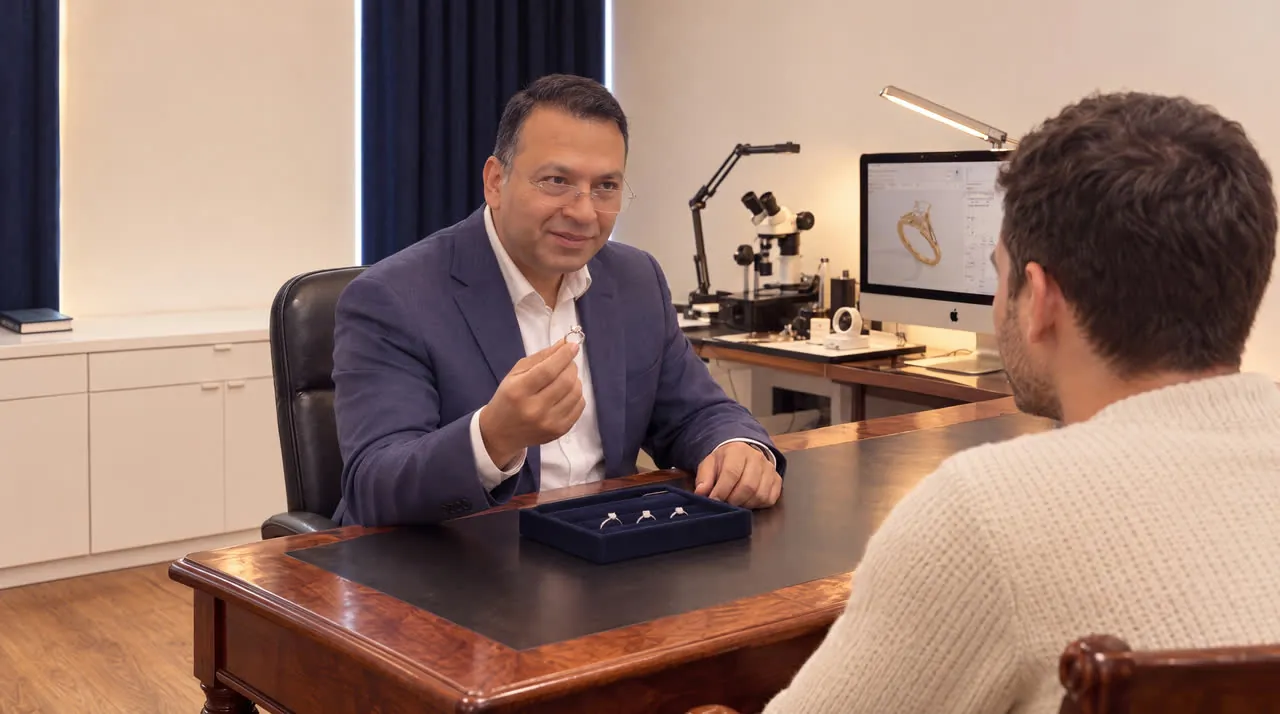
Raj Sood is a Graduate Gemologist (GIA) who works alongside our master jewellers. Bring the stones you are considering, or send the reports, and he will tell you honestly which one is better and why.
Keep learning
Related guides
 Buying Knowledge & Custom ProcessDiamond Buying Guide
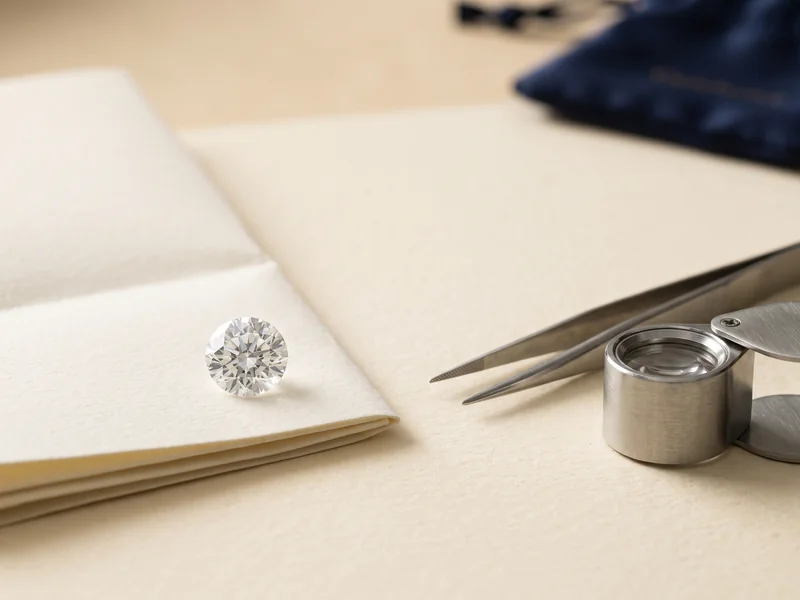 Certificates & ValuationsHow to Read a GIA Diamond ReportBuying Knowledge & Custom ProcessEngagement Ring Buying Guide
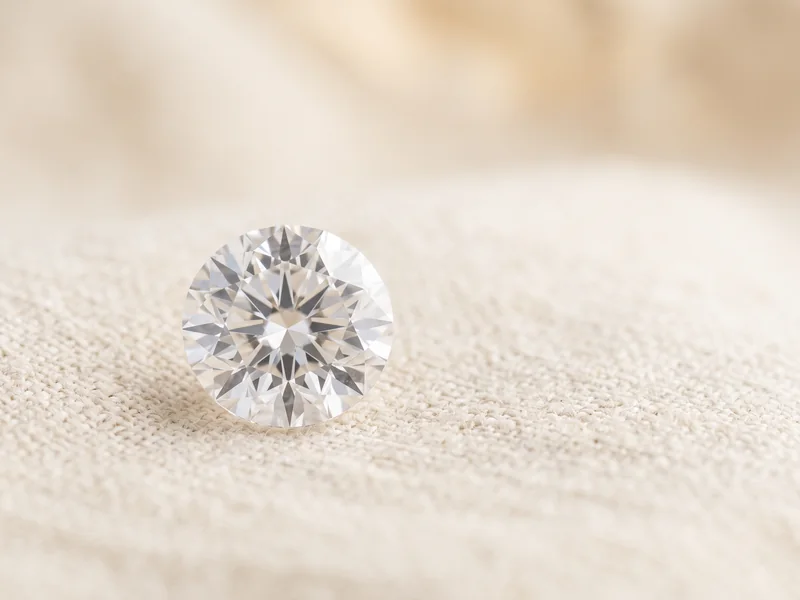 Diamond 4Cs & Grading1 Carat Diamonds
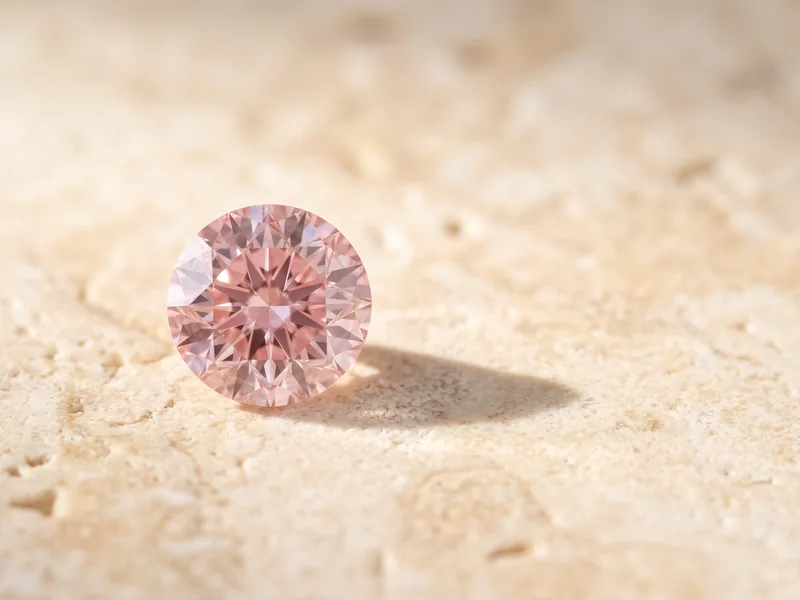 Natural DiamondsArgyle Mine and Australian DiamondsMetalsBest Metal for Engagement RingsNatural DiamondsCanadian Diamonds
Explore more
More guides on this topic
Education