
- Education
- Certificates & Valuations
- GIA Diamonds Melbourne
GIA certified diamonds
GIA Diamonds Melbourne
A GIA report tells you exactly what a diamond is. It doesn't tell you whether that diamond is the right one for you. Here is how to read the report, check that it's genuine, and choose a GIA diamond you will love for life.
 Reviewed by Raj Sood, Graduate Gemologist (GIA), AJP (GIA)Founder and Graduate Gemologist (GIA) · reviewed 17 November 2026
GIA-graded natural diamonds in stock
See all 36,385 in stock →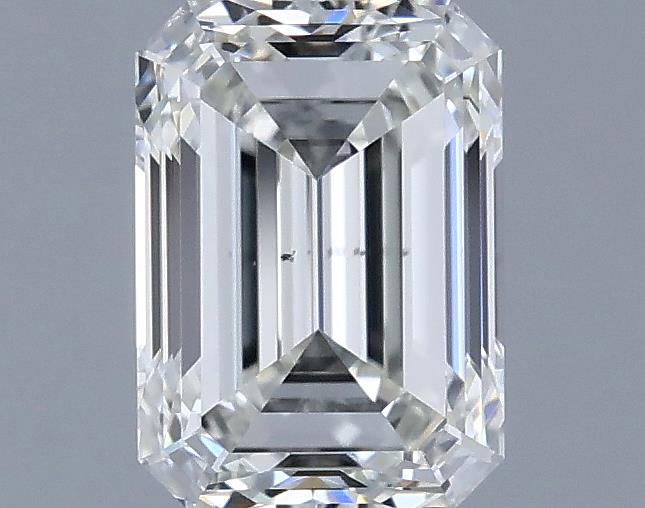 Natural Diamond1.04 ct Emerald DiamondI · SI1 Clarity · EX · EX · NON$2,868 AUDAll taxes inclusive
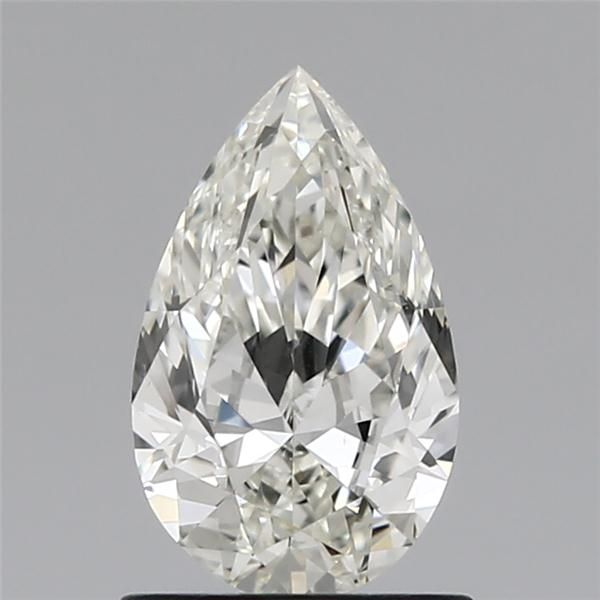 Natural Diamond1.00 ct Pear DiamondK · VS2 Clarity · VG · VG · MED$2,868 AUDAll taxes inclusive
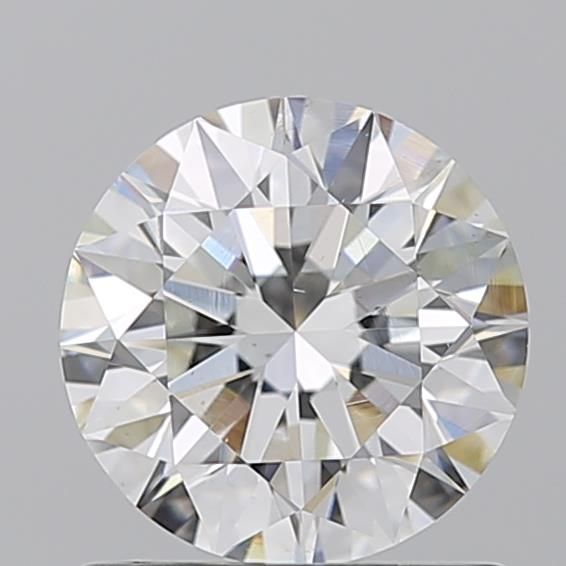 Natural Diamond1.10 ct Round DiamondH · VS2 Clarity · EX · EX · EX · NON$5,298 AUDAll taxes inclusive
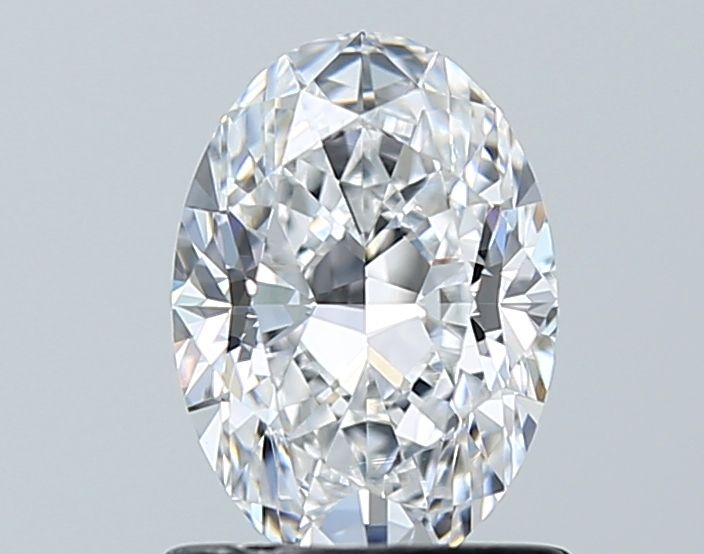 Natural Diamond1.01 ct Oval DiamondD · VVS1 Clarity · EX · EX · STG$5,298 AUDAll taxes inclusive
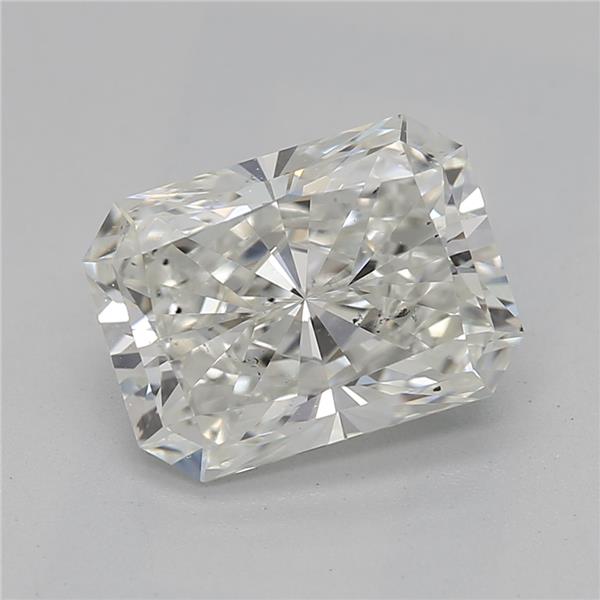 Natural Diamond1.54 ct Radiant DiamondI · SI1 Clarity · EX · EX · NON$11,778 AUDAll taxes inclusive
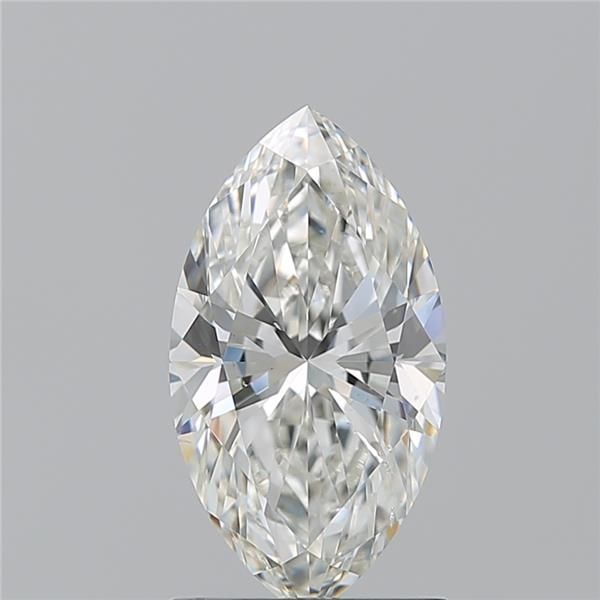 Natural Diamond1.51 ct Marquise DiamondI · SI2 Clarity · EX · EX · NON$11,788 AUDAll taxes inclusive
In stock when checked on 23 Nov 2026, 1:28 am. Each diamond’s own page shows its live price and availability. Please check the lab report before you commit.
Quick answer
GIA diamonds are diamonds graded by the Gemological Institute of America, the independent laboratory that created the 4Cs. At GemTrove, Unit 903/125 Swanston St, Melbourne VIC 3000, you can search GIA-graded diamonds online, check each report number with GIA, and compare the stones in person with Raj Sood, a Graduate Gemologist (GIA).
What are GIA diamonds?
A GIA diamond is a diamond that has been graded by the Gemological Institute of America (GIA), an independent, non-profit laboratory. GIA created the 4Cs of colour, clarity, cut and carat, along with the D-to-Z colour scale that laboratories around the world now use. When a jeweller says a diamond is "GIA certified", they mean it comes with a GIA grading report.
GIA doesn't sell diamonds, and it doesn't put a price on them. Its report is a description of the stone: what it is, how big it is, and how it grades. That independence is why buyers trust it. If you are new to reports, start with certified vs uncertified diamonds and how diamond and jewellery reports work.
- What GIA does: identifies the diamond as natural or laboratory-grown, measures it, and grades it on the 4Cs. See the diamond 4Cs explained.
- What GIA doesn't do: value the diamond, judge whether it suits your ring design, or tell you whether it's good value for its price.
- Why it matters: two diamonds described with the same grades by the same laboratory can be compared fairly. That makes shopping online, or across jewellers, much safer.
How much does a GIA diamond cost in Melbourne?
It depends on the size and the grades on the report. Rather than quote a rule of thumb, this table is counted from GemTrove's own catalogue with the GIA filter switched on, so every diamond in it is a natural diamond with a GIA report.
| Diamond size | GIA-graded natural, D–G, VVS–SI1 | In stock in those grades |
|---|---|---|
| 1.00 ct | from $2,118 | 9,059 diamonds |
| 1.50 ct | from $5,098 | 2,104 diamonds |
| 2.00 ct | from $11,468 | 952 diamonds |
These figures were read from GemTrove's live stock on 17 November 2026, in Australian dollars with taxes included. They are for D to G colour and VVS1 to SI1 clarity, the grades GemTrove normally sells. Lower colour and clarity grades cost less and are listed in the catalogue. Prices change daily, and each diamond's own page shows its current price and its GIA report number. See the diamond price guide for Australia for how each grade moves the price.
GIA-graded natural diamonds, 2 carats and over, in stock
See all 4,681 in stock →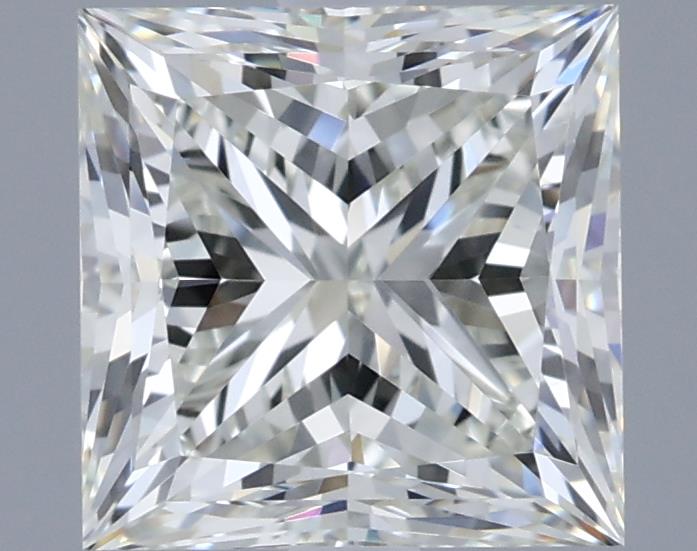 Natural Diamond2.00 ct Princess DiamondK · VVS1 Clarity · EX · EX · NON$11,428 AUDAll taxes inclusive
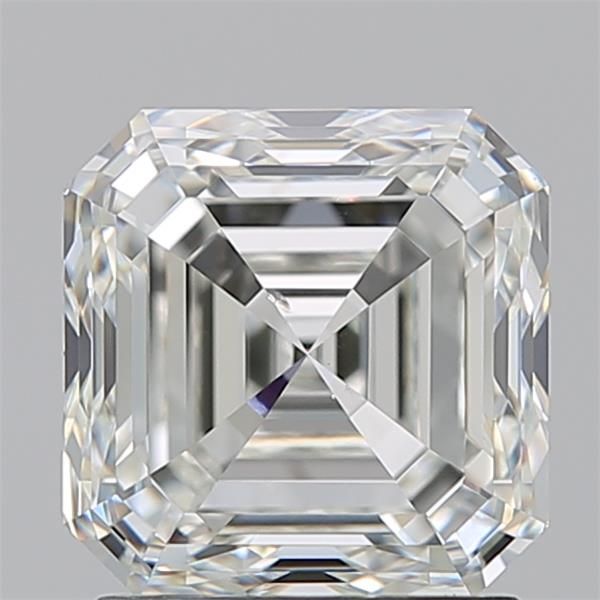 Natural Diamond2.02 ct Asscher DiamondJ · SI1 Clarity · EX · EX · NON$11,508 AUDAll taxes inclusive
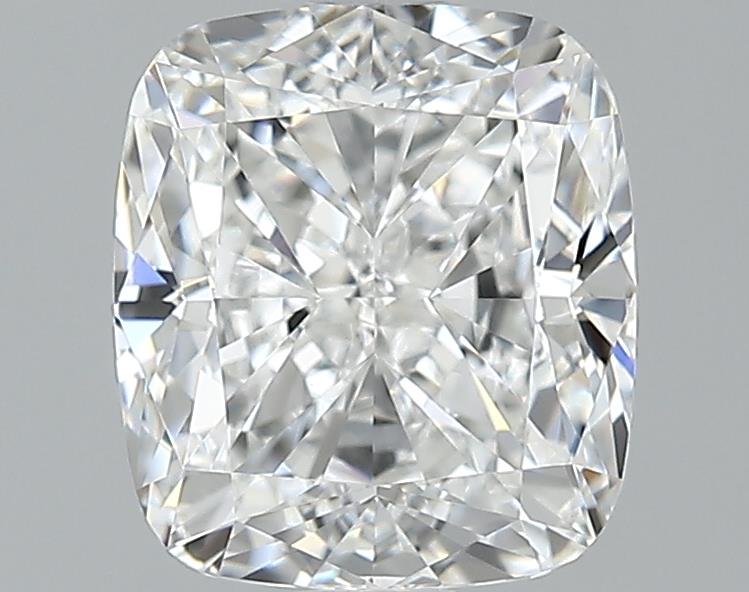 Natural Diamond2.01 ct Cushion DiamondF · VVS2 Clarity · EX · VG · NON$24,038 AUDAll taxes inclusive
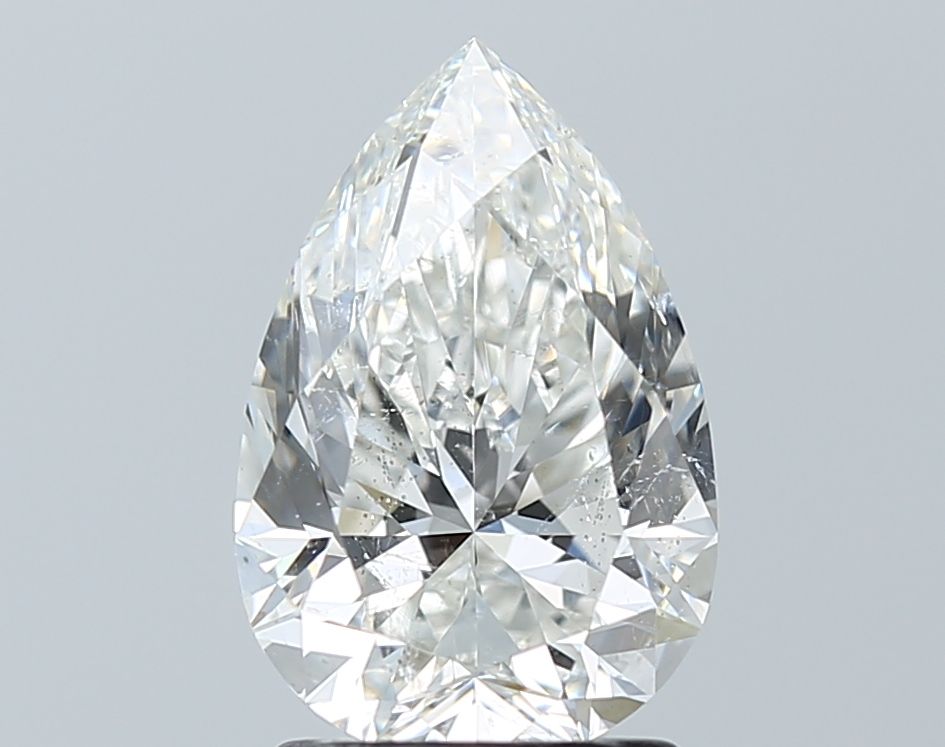 Natural Diamond2.02 ct Pear DiamondH · SI2 Clarity · EX · EX · NON$24,078 AUDAll taxes inclusive
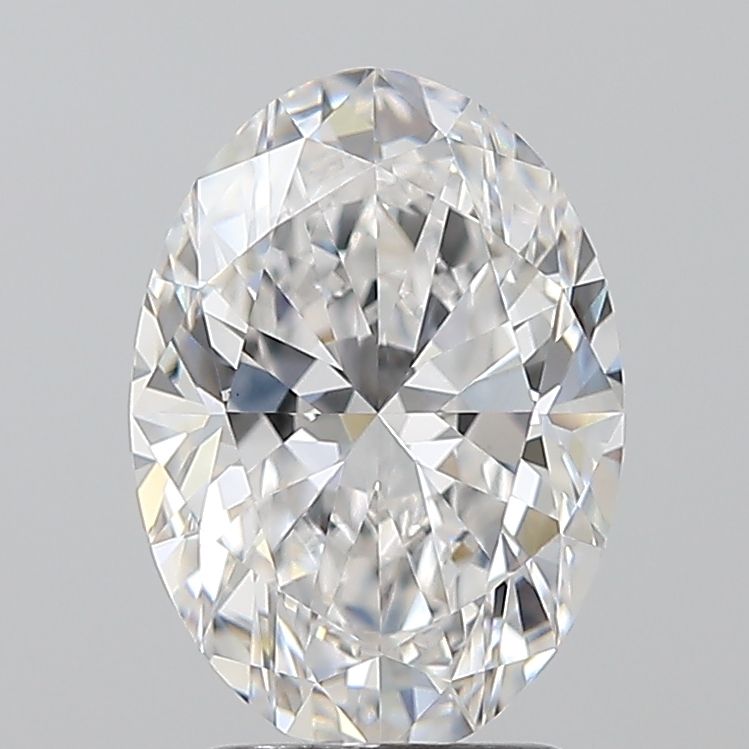 Natural Diamond2.01 ct Oval DiamondE · VS1 Clarity · EX · VG · NON$37,078 AUDAll taxes inclusive
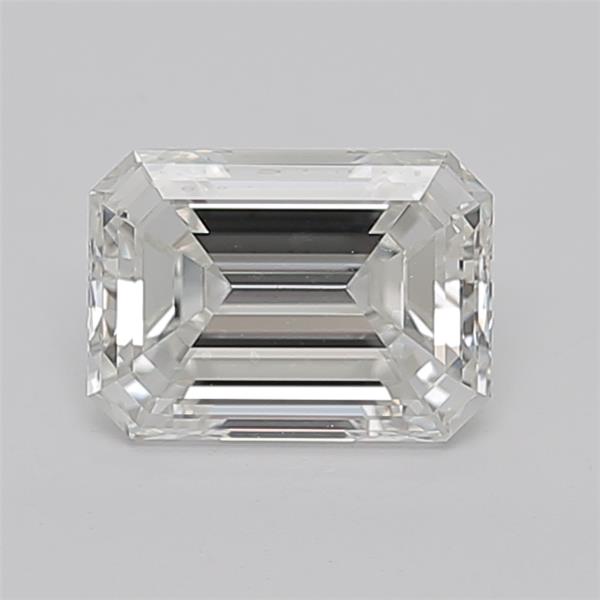 Natural Diamond2.01 ct Emerald DiamondG · IF Clarity · EX · EX · NON$37,248 AUDAll taxes inclusive
In stock when checked on 23 Nov 2026, 3:09 am. Each diamond’s own page shows its live price and availability. Please check the lab report before you commit.
The price you see on a diamond is the price you pay for it. Read our pricing guarantee for how we set prices and our quality guarantee for what we stand behind, and please check the lab report before you commit to any stone.
What do GemTrove's diamond customers say?
These are Google reviews from GemTrove customers, quoted word for word. GemTrove holds a 5.0 rating on Google.
5.0 on Google
★★★★★
“… We wanted to pick out our preferred stone with GIA certification and then the setting (custom made). … Raj acted with efficient communications to ensure for the transaction to move forward. …”
Whiz
Google review · GIA-certified diamond and custom setting
★★★★★
“Raj is very friendly and knowledgeable on all things diamonds. I went to him to make an engagement ring for me after seeing all his positive reviews. He helped me design the perfect ring. He listened to everything I was looking for and gave me great advice along the way.”
The Adsta
Google review · engagement ring
★★★★★
“… His advice on the ring size, design, and overall style was invaluable, and he took the time to ensure every detail was perfect. The entire process was smooth, transparent, and completed within the expected timeframe. …”
Seno R.
Google review · engagement ring
★★★★★
“… Raj has been incredible to work with and guided us through designing both our engagement rings last year and now the wedding rings. … The craftsmanship and attention to detail are outstanding, and the rings turned out even more beautiful than we imagined. …”
Tanveer D.
Google review · engagement and wedding rings
★★★★★
“… I had a deadline too which he went above and beyond to meet. …”
Gary L.
Google review · ring made to a deadline
Read all GemTrove reviews on Google
What does a GIA diamond report show?
A GIA report reads like a profile of one diamond. Each part answers a different question, so read the whole report rather than stopping at the headline grades. Our step-by-step guide to reading a GIA diamond report walks through every section.
- Report number and date: The unique number you check with GIA, and when the stone was graded.
- Shape and measurements: The outline and the size in millimetres, which shows how big it looks face-up.
- Carat weight: The weight, not the size. See carat weight explained
- Colour grade: D (colourless) to Z (light yellow or brown). See diamond colour grades
- Clarity grade: Flawless to I3, based on inclusions under 10x magnification. See diamond clarity grades
- Cut grade: Excellent to Poor, given for standard round brilliants only. See diamond cut grades
- Polish and symmetry: How well the facets are finished and lined up. See polish and symmetry
- Fluorescence: None to very strong glow under UV light. See fluorescence strengths
- Proportions and clarity plot: The diamond's angles and a map of its main inclusions.
The proportions diagram is where experienced buyers spend their time. Table size and depth explain why one stone looks bigger or brighter than another of the same weight, and our guide to diamond table and depth shows what the numbers mean in practice.
Not sure which one is right?
Send us the stones you are looking at and our gemologist will tell you which to choose and why.
How do you check a GIA report is genuine?
A real GIA report can always be checked against GIA's own records, and it takes about a minute. Do it for any diamond you are serious about, wherever you buy it.
- Find the report number. It is printed on the report and shown on every diamond listing in our catalogues.
- Look it up with GIA. Enter the number on GIA Report Check. Our guide to verifying a GIA report number shows what to look for.
- Match the details. The shape, measurements, carat weight and grades online must match the report you were given exactly.
- Check the inscription. Many GIA diamonds have the report number laser-inscribed on the girdle, the thin outer edge. We can show it to you under magnification. Read what a laser inscription does and doesn't prove.
- Compare the stone itself. The clarity plot should match the inclusions you can see in the diamond's video or under a loupe.
Which GIA report will your diamond have?
GIA issues more than one kind of report for natural diamonds. The full Diamond Grading Report includes a plot of the inclusions. The shorter Diamond Dossier, used for many smaller diamonds, has no plot and usually comes with the report number laser-inscribed on the stone. Both are graded to the same standard. See GIA Diamond Dossier vs Diamond Grading Report.
GIA also grades laboratory-grown diamonds on a separate report that clearly states the diamond is laboratory-grown, and it describes them differently from natural diamonds. Our guide to GIA's lab-grown diamond assessments explains how. For the wider picture, compare natural vs lab-grown diamond reports and see how laboratories tell natural and lab-grown diamonds apart.
GIA vs IGI: which report should you choose?
GIA and IGI are both independent, widely recognised laboratories, and you will see both in our catalogues. GIA is the name most associated with natural diamond grading. IGI is very common on laboratory-grown diamonds and also grades natural stones. The full comparison is in GIA vs IGI vs HRD diamond reports.
| Laboratory | Seen most often on |
|---|---|
| GIA | Natural diamonds |
| IGI | Lab-grown and natural diamonds |
| HRD | Natural diamonds, mainly in Europe |
Each report reads slightly differently. See how to read an IGI lab-grown report and HRD reports explained.
The laboratory is only one part of the decision. A well-cut diamond with an IGI report can be a better choice than a poorly cut one with a GIA report. Compare the measurements, proportions and video as well as the grades, and see why two diamonds with the same 4Cs can have different prices.
Is a certified diamond the same as a GIA diamond?
People searching for certified diamonds in Melbourne usually mean a diamond that comes with a report from an independent laboratory. The word certified is common in shops, but a laboratory does not certify or guarantee anything: it issues a grading report that records what it measured and observed. GIA and IGI are the two laboratories you will see most often.
- Read the grades, not the logo. The laboratory's name is not a substitute for the actual grades, measurements and comments on the report.
- Match the stone to the paper. Check the report number on the laboratory's own website and match it to the laser inscription on the diamond's girdle.
- A report is not a valuation. It does not state what the diamond is worth, and it cannot tell you how lively the stone looks. A report makes two diamonds easier to compare on paper; seeing them confirms which one you prefer.
- For an engagement ring, a GIA or IGI report documents the centre stone only. The setting and any small side diamonds are described on the jeweller's own paperwork.
Our guides to how the grading laboratories compare and how to read a GIA diamond report cover the detail. Please check the lab report before you commit.
What doesn't a GIA report tell you?
A report is the starting point, not the final word. Here is what it can't tell you, and what we check for you in person. Our guide to what a diamond report doesn't tell you goes further.
- Whether it looks clean to your eye. Two SI1 diamonds can look completely different. See what eye-clean really means.
- How a fancy shape performs. GIA gives a cut grade for round brilliants only, so ovals, pears and emerald cuts need judging by eye and by their proportions. See cut quality in fancy shapes.
- Where an inclusion sits in the ring. An inclusion near the edge can often be hidden under a claw, while one under the table can't.
- Its price or value. A report describes the stone; a valuation puts a dollar figure on it. See valuation vs diamond report.
- How it looks beside other stones. Brightness, contrast and life are easiest to judge side by side, under different light.
How do you choose a GIA diamond for an engagement ring?
- Start with shape and budget. Decide the outline you love and what you want to spend. Our diamond buying guide covers the order of decisions.
- Set your priorities. Put cut first, then balance colour and clarity. See colour vs clarity: which to prioritise.
- Shortlist three to five stones. Filter, then narrow down with our method for building a diamond shortlist.
- Watch every video. Learn how to judge a diamond from a 360° video so you can rule out dull or included stones before you visit.
- Match the setting to the stone. A solitaire shows the whole diamond; an oval engagement ring needs claws placed to protect its points and hide any bow-tie.
- See your final two in person. Compare them side by side in our showroom before you decide.
How do you buy a GIA diamond from GemTrove?
Every diamond in our catalogues is listed with an independent grading report from a laboratory such as GIA, IGI, HRD or GCAL, and the report number is on the listing. To see GIA-graded stones only, use the laboratory filter in the natural diamond catalogue.
- Search. Filter by shape, carat, colour, clarity, cut, budget and laboratory.
- Check the stone. Read the report and watch the video on the listing.
- Confirm availability. Each listing has a live availability check. Supplier stock can sell at short notice, so call us on 0488 878 000 and we will confirm with the supplier before you pay.
- Reserve and pay. Pay online by Visa, Mastercard, American Express or JCB, or use eftpos in the showroom.
- Set it, or receive it loose. We can set it in a ring handmade in Melbourne in 3–5 weeks, or ship it free anywhere in Australia.
Buying a loose stone to set later? Read our guide to buying loose diamonds online in Australia, see how a loose diamond is set into an existing ring, or design the whole ring with us through custom engagement rings in Melbourne. Trade buyers can read about wholesale diamonds in Melbourne.
Does a GIA report show where a diamond came from?
A standard GIA grading report identifies and grades the diamond, but it isn't a record of the mine or the supply chain. Rough diamonds traded internationally go through the Kimberley Process; see the Kimberley Process explained and our guide to conflict-free diamonds. Some laboratories also offer separate origin reports for certain diamonds, covered in diamond origin reports explained.
Where can you see GIA diamonds in Melbourne?
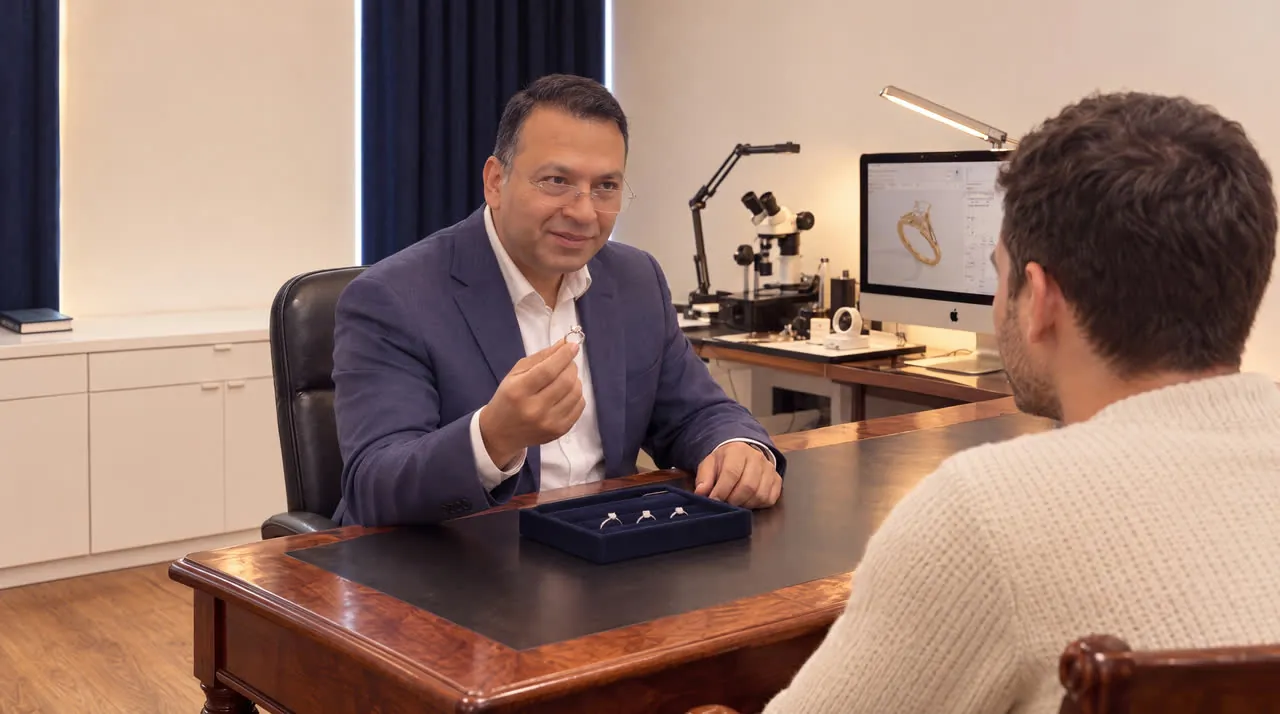
At our showroom in the Melbourne CBD, by appointment. GemTrove has been in business since 2008, and our family has been in the jewellery trade since 1984. Raj Sood, a Graduate Gemologist (GIA), will walk you through the report, show you the inclusions and inscription under magnification, and compare your shortlisted stones side by side.
- Showroom: Unit 903/125 Swanston St, Melbourne VIC 3000 (Level 9), by appointment.
- Hours: Monday to Friday 9:30 am to 5:30 pm, Saturday 11:30 am to 1:00 pm, Sunday closed.
- Phone: 0488 878 000.
- Book: book a consultation. See what happens at a consultation, and compare your options in our Melbourne engagement rings guide.
Free consultation
Talk to a gemologist
Compare stones in person or online with Raj Sood, Graduate Gemologist (GIA), AJP (GIA).
Book a consultationShop this shape
FAQ
Common questions
What does GIA certified mean?
It means the diamond comes with a grading report from the Gemological Institute of America, an independent laboratory. The report describes the diamond's identity, measurements and 4Cs grades; it isn't a valuation or a guarantee of value.
How much does a GIA diamond cost?
At GemTrove on 17 November 2026, in D to G colour and VVS1 to SI1 clarity, natural diamonds with a GIA report started at $2,118 for 1 carat, $5,098 for 1.5 carats and $11,468 for 2 carats, taxes included. The price depends on the colour, clarity, cut and shape shown on the report.
Are all of GemTrove's diamonds GIA certified?
No. Every diamond in our catalogues comes with an independent grading report from a laboratory such as GIA, IGI, HRD or GCAL. Use the laboratory filter to see GIA-graded stones only.
Does GIA grade lab-grown diamonds?
Yes. GIA grades laboratory-grown diamonds on a separate report that clearly states the stone is laboratory-grown. See GIA's lab-grown diamond assessments for how they are described.
How do I check a GIA report number?
Enter the number on GIA's Report Check website and make sure the shape, measurements, carat weight and grades match your report exactly. If the stone is inscribed, the number on the girdle should match too.
Is a GIA diamond worth it?
A GIA report gives you a trusted, independent description of the stone, which makes comparing diamonds safer. The diamond itself still has to be well cut and look right to your eye, so judge the report, the proportions and the video together.
Does a GIA report tell me what my diamond is worth?
No. A report grades the diamond but doesn't price it. For insurance you need a valuation, explained in valuation vs diamond report.
Can I see a GIA diamond before I buy it?
Yes. Book an appointment at our Melbourne CBD showroom and we will show you the stone, its report and its inscription under magnification. Call 0488 878 000 first so we can confirm the diamond is still available.
Ask a gemologist
Not sure which diamond to choose?
Raj Sood is a Graduate Gemologist (GIA) who works alongside our master jewellers. Bring the stones you are considering, or send the reports, and he will tell you honestly which one is better and why.
Keep learning
Related guides
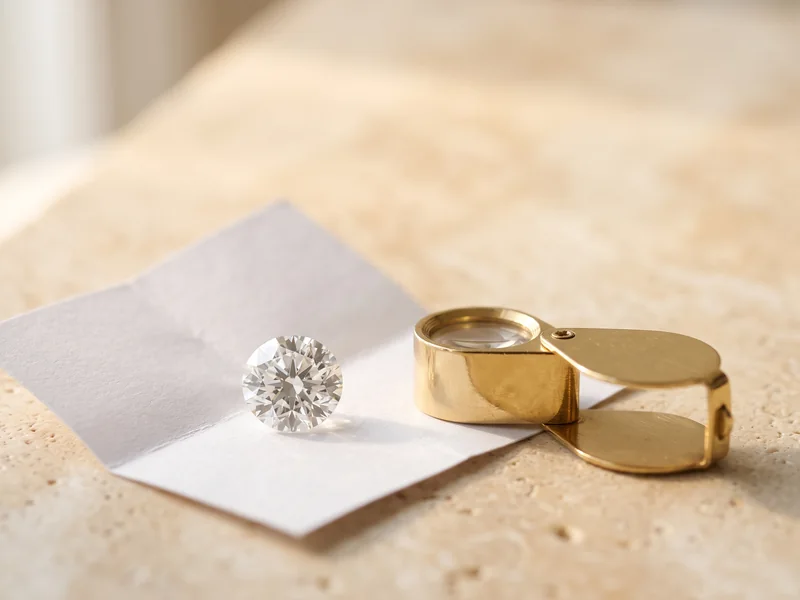
 Certificates & ValuationsHow to Read a GIA Diamond Report
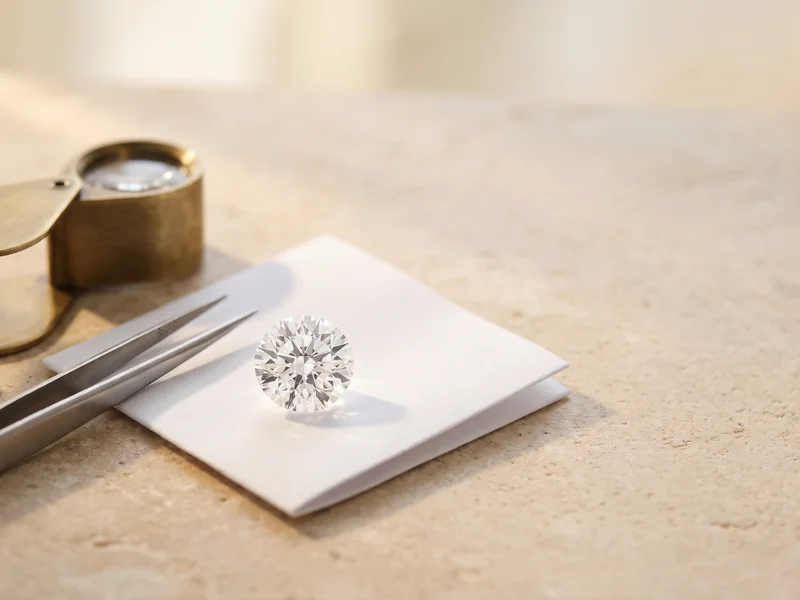
 Certificates & ValuationsGIA vs IGI vs HRD Diamond Certificates
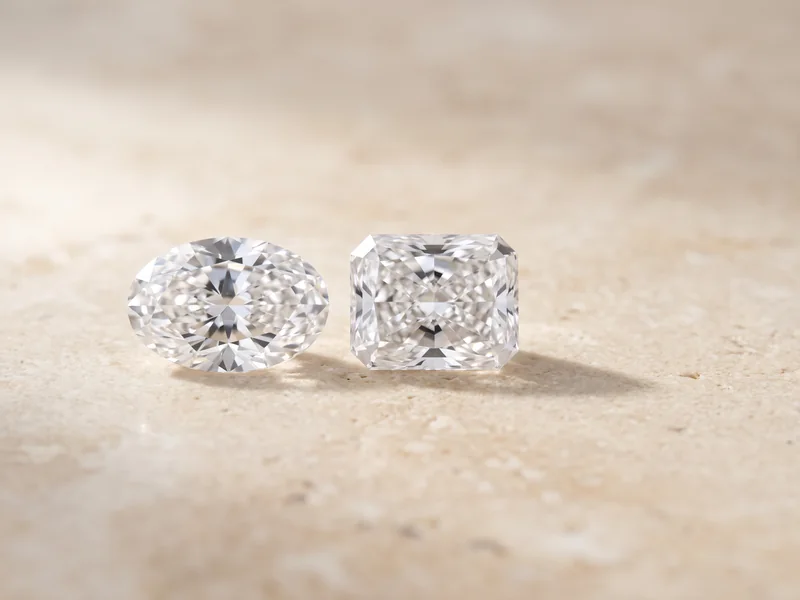
 Certificates & ValuationsHow to Verify a GIA Report Number
 Buying Knowledge & Custom ProcessBuy Loose Diamonds Online AustraliaCertificates & ValuationsCertified vs Uncertified DiamondsCertificates & ValuationsDiamond Certificates & Jewellery ReportsDiamond 4Cs & GradingDiamond 4Cs
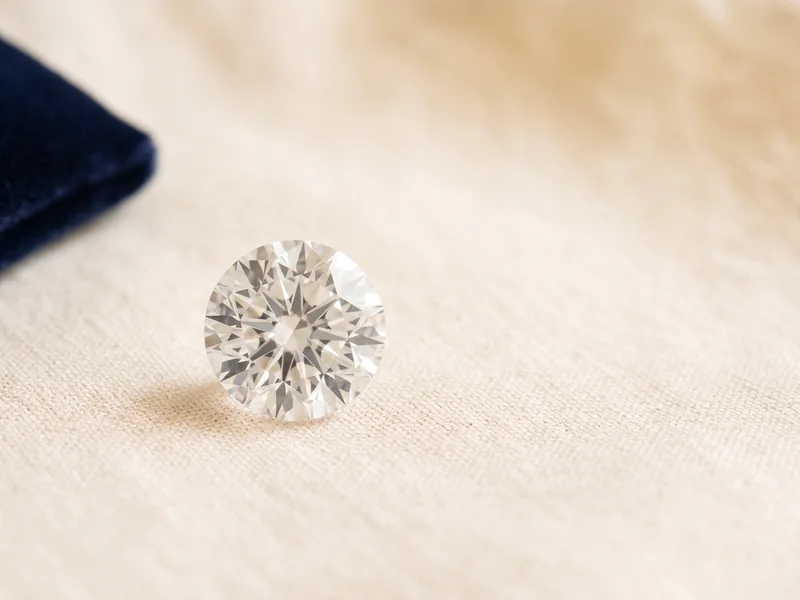 Diamond 4Cs & GradingDiamond Carat Weight
Explore more
More guides on this topic
Education