
- Education
- Fancy Colour Diamonds
- Black Diamonds Guide: Colour Origin, Grading, Durability and Settings
Fancy Colour Diamonds
Black Diamonds Guide: Colour Origin, Grading, Durability and Settings
Black diamonds look simple, but the same Fancy Black grade can describe a natural-colour stone, a treated one or a lab-grown diamond. Here is how to tell them apart, read the report and set one so it lasts.
 Reviewed by Raj Sood, Graduate Gemologist (GIA), AJP (GIA)Founder and Graduate Gemologist (GIA) · reviewed 16 November 2026
Quick answer
Black diamonds are real diamonds that look black because they are packed with dark inclusions such as graphite, or have been treated by heat or irradiation. Natural black diamonds are uncommon and often brittle; most on sale are treated or lab-grown. GIA grades them as Fancy Black, and the report's colour origin tells you which kind you have.
What are black diamonds?
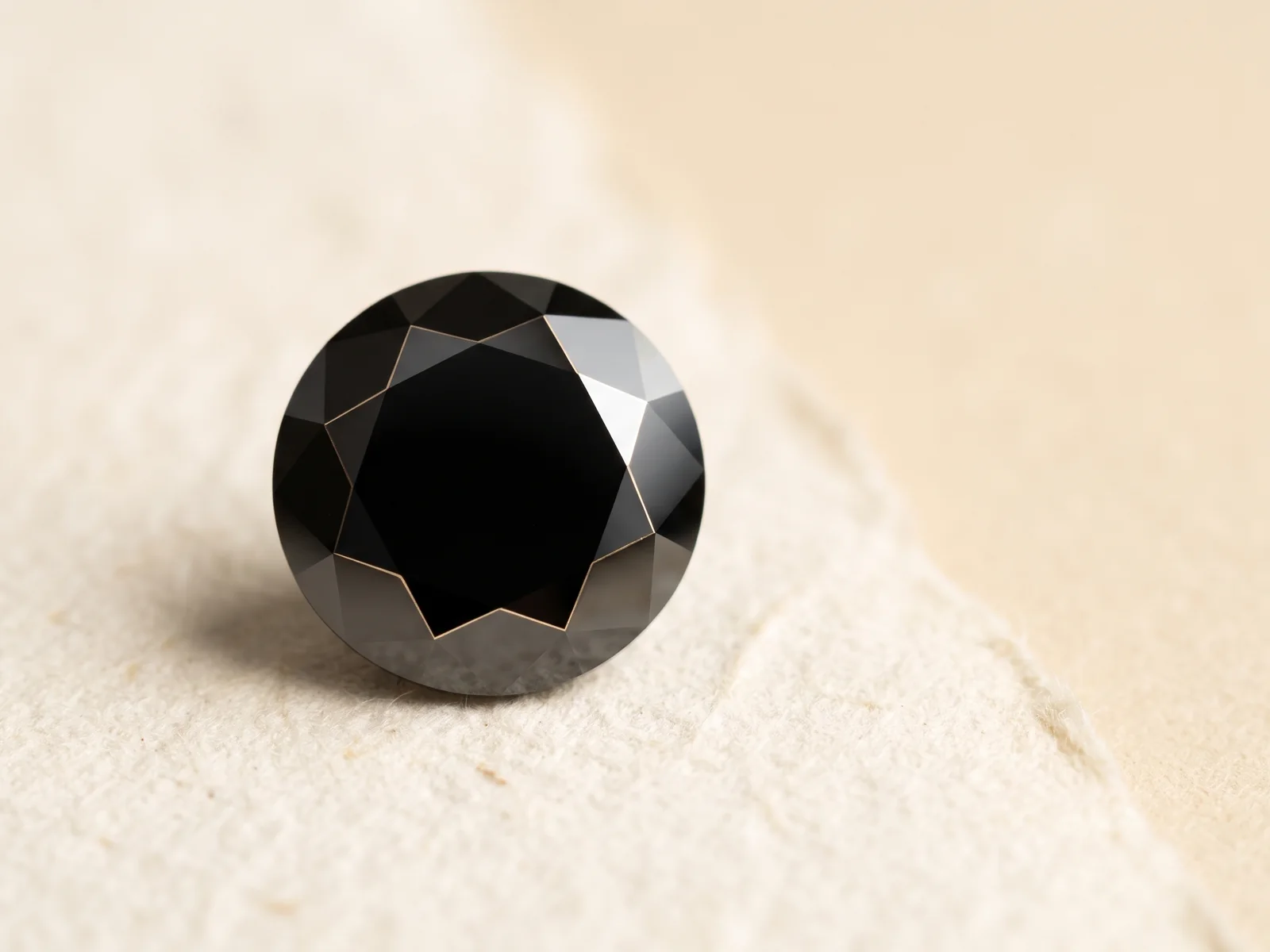
A black diamond is a real diamond, made of the same carbon in the same cubic crystal structure as a white one, that looks black instead of clear. Unlike a pink or blue diamond, its colour does not come from something tinting the crystal itself. It comes from what is inside it: so many dark inclusions (internal features) and fractures that light can barely get in, let alone back out. Black sits in the fancy colour family alongside yellows, pinks and greens, and our guide to every fancy colour diamond explains how that family works as a whole.
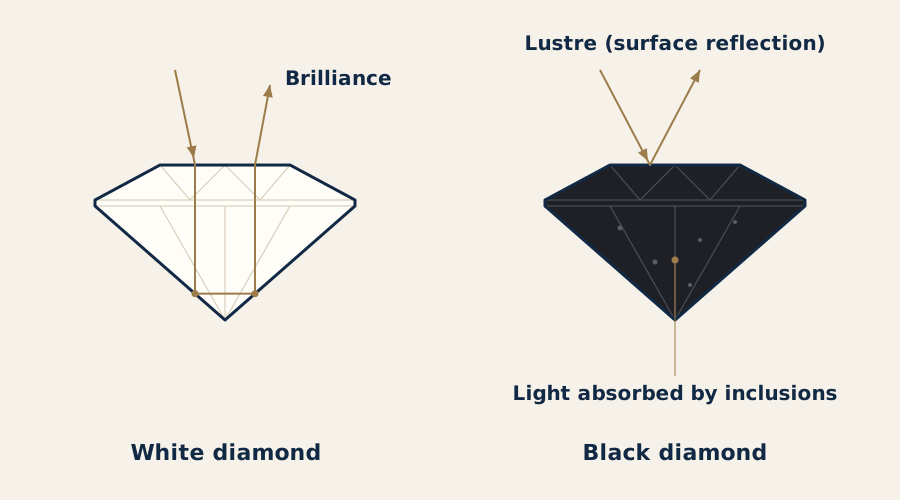
Because a black diamond is opaque (light does not pass through it), it behaves very differently from a white diamond. A colourless brilliant sparkles because light enters the stone, bounces off the back facets and returns to your eye. A black diamond cannot do that. Instead it shines through lustre, the mirror-like reflection from its polished surface. Diamond has an adamantine lustre, the strongest of any common gem, which is why a well-polished black diamond looks like glossy black glass with a sharp, almost metallic flash on each facet.
Two other stones are often confused with black diamonds. Salt-and-pepper diamonds are white or grey stones with visible black and white specks that are still partly transparent. Black opal is a completely different gem, with flashes of colour across a dark body, mined mainly at Lightning Ridge in New South Wales; see black opal, Australia's own dark gem if that is the stone you had in mind. Any unfamiliar term on this page is also explained in our plain-English jewellery glossary.
What causes the colour in black diamonds?
There are three main ways a diamond ends up black. They matter because they decide how the stone is described on its report, how tough it is and what it costs.
- Natural inclusions: the stone formed with, or later developed, huge numbers of dark inclusions. Gemmological research has found graphite (the soft black form of carbon) along with iron-rich minerals such as magnetite and hematite, mostly lining networks of tiny fractures. Many natural blacks are also polycrystalline, meaning they are made of many small diamond crystals grown together rather than one single crystal.
- Carbonado: a porous, polycrystalline form of black diamond found mainly in Brazil and the Central African Republic, and never in the kimberlite pipes that host ordinary diamonds. Its origin is still debated; one theory is that it came from space.
- Treatment: a heavily included, low-value white, grey or brown diamond is heated until the walls of its fractures turn to graphite (graphitisation), or irradiated so strongly that it turns a green so dark it looks black. Surface coatings are used occasionally, but they are less common and much less durable.
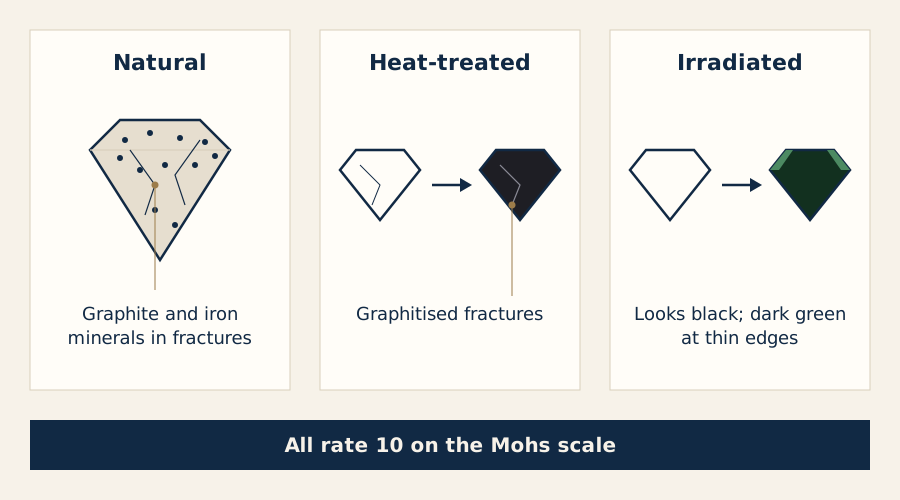
Most black diamonds sold in jewellery are treated. That is not a problem in itself, provided it is disclosed: a treated black diamond is still diamond and still rates 10 on the Mohs scale. It does make a large difference to value, which is why you should always read the colour origin on the report.
Black is the far end of a spectrum. A white diamond with a few dark specks is simply an included diamond, and our page on whether black inclusions are bad in a white diamond explains when they matter. With more specks you reach grey and salt-and-pepper diamonds, valued for their speckled, organic look. Only when the inclusions take over completely does the stone grade as black. Irradiation has a similar spectrum: a light dose produces the colours in our guide to how radiation creates green diamonds, and a very heavy dose pushes the stone to black.
Related guideGrey and Salt-and-Pepper DiamondsHow are black diamonds graded?
Most fancy colour diamonds are graded on hue (the colour itself), tone (how light or dark) and saturation (how strong), which combine into an intensity grade. Black is the exception. Because the colour is so dark and opaque, GIA uses a single grade: Fancy Black. There is no Fancy Light Black or Fancy Vivid Black. Compare that with the nine-step Faint to Vivid intensity scale used for yellows and pinks, and with what a Fancy Vivid grade means for other colours.
Clarity is usually not graded in any meaningful way, because nobody can see into an opaque stone. What the grader records is the shape, measurements, carat weight, polish and, most importantly, the colour origin: whether the colour is natural or the result of treatment. A lab may also describe a hint of another colour in a very dark stone; our guide to how colour modifiers and overtones are named explains that wording.
| Report line | Natural-colour black | Treated black | Lab-grown black |
|---|---|---|---|
| Colour | Fancy Black | Fancy Black | Fancy Black |
| Colour origin | Natural | Treated (for example irradiation or heating) | Laboratory-grown, with any post-growth treatment noted |
| Clarity | Usually not graded | Usually not graded | Usually not graded |
| Typical document | GIA coloured diamond report | Lab report; sometimes an identification report only | Lab-grown report from IGI, GIA or another lab |
A natural-colour stone's report reads, in effect: 'Colour: Fancy Black. Colour origin: Natural.' That last line is what separates a naturally black diamond from the far more common treated stones. If a report says 'Treated', or a seller can only give a verbal description, assume the colour is not natural. An independent report is the only reliable way to know, because natural and treated blacks can look almost identical across the counter.
Natural, treated or lab-grown black diamond: what's the difference?
| Natural-colour black | Treated black | Lab-grown black | |
|---|---|---|---|
| What it is | Mined diamond, black from inclusions as it formed | Mined diamond darkened by heat or irradiation | Diamond grown in a laboratory by CVD or HPHT |
| How common | Uncommon | Most black diamonds on sale | Widely available |
| Surface | Often pitted; hard to polish evenly | Usually smoother; may show fine fractures | Usually clean and even |
| Toughness | Hard but can be brittle | Fractures can be a weak point | Usually the most uniform |
| Relative price | Highest of the three | Low | Low |
A lab-grown black diamond is real diamond, grown either by CVD (chemical vapour deposition, built up layer by layer from a carbon-rich gas) or HPHT (high pressure, high temperature, which recreates conditions deep in the earth). Its black colour usually comes from treatment after growth or from dark inclusions encouraged during growth. The report should say both that the stone is laboratory-grown and whether it has been treated. Because they tend to have fewer fractures, lab-grown blacks are often easier to polish to a smooth, even surface than many natural blacks.
Treated natural blacks can give themselves away under strong light. Shine a bright pen torch or fibre-optic light at a thin edge of an irradiated stone and you may see a very dark green glow. Heat-treated stones can show a web of graphitised fractures under a loupe (a 10× magnifying glass). Natural-colour blacks tend to look patchier, with tiny pits on the facets where grains of different orientation polished unevenly. These are clues, not proof: only a lab can confirm the origin.
Not sure which one is right?
Send us the stones you are looking at and our gemologist will tell you which to choose and why.
Are natural black diamonds rare, and where do they come from?
Natural-colour black diamonds are uncommon, but not rare in the way a natural red diamond, the rarest colour of all is. For a long time natural blacks were treated as industrial material: their fractures and mixed crystal grains made them difficult to cut, and many were crushed for abrasives. Black diamond jewellery only became fashionable from the mid-1990s, when the Swiss jeweller de Grisogono began using them in fine pieces.
Some natural blacks are very large. The Spirit of de Grisogono, at about 312 carats, is one of the largest cut black diamonds known. The Enigma, a 555.55-carat carbonado cut with 55 facets, was sold at auction in 2022. The Black Orlov, about 67.5 carats, carries a well-known 'curse' legend that is best treated as folklore.
Australia's diamond story runs alongside this. The Argyle mine in the Kimberley region of Western Australia, which closed in 2020, was not a notable source of black diamonds. Most of its output was brown, and Argyle changed how the world saw that colour by naming the shades champagne and cognac and grading them on its own C1 to C7 scale; see our guide to champagne and cognac brown diamonds. A tiny share of its production was the Argyle pink diamonds that made it famous, along with the rare violets covered in our page on purple and violet diamonds. The parallel with black is clear: a colour once seen as low-grade became sought after once it was named, explained and set well.
Are black diamonds durable enough for an engagement ring?
Yes, with the right setting. Every black diamond rates 10 on the Mohs hardness scale, so it resists scratching as well as any diamond. Toughness, the resistance to chipping and breaking, is the weak point. Natural blacks are full of fractures and can be brittle, and a knock on a thin edge or too much pressure during setting can chip or split one. Treated blacks keep the fractures of the stone they started as. Lab-grown blacks tend to be the most uniform.
- Setting: bezels and halos protect the girdle (the outer edge) better than thin claws.
- Cleaning: warm water, mild detergent and a soft brush. Avoid ultrasonic and steam cleaners on natural or treated blacks with surface-reaching fractures.
- Repairs: ask your jeweller whether the stone should come out before resizing or soldering, as torch heat can affect fractured, treated or coated stones.
- Daily wear: take the ring off for the gym, gardening and heavy lifting, as you would with any diamond.
One practical upside: dirt and skin oils, which quickly dull a white diamond's sparkle, make little difference to how a black diamond looks, although a film of fingerprints will soften its surface shine.
How do black diamonds compare with black moissanite, spinel and onyx?
Several black gems are used as lower-cost alternatives, and occasionally sold under misleading names. This is how they compare.
| Gem | Mohs hardness | Refractive index | How to tell |
|---|---|---|---|
| Black diamond | 10 | about 2.42 | Adamantine lustre; passes a diamond tester; natural stones often show pitted facets |
| Black moissanite (lab-created silicon carbide) | 9.25 | about 2.65–2.69 | Doubly refractive; can fool a basic thermal tester, but a multi-tester detects it |
| Black spinel | 8 | about 1.72 | Softer, glassier lustre; fails a diamond tester |
| Black cubic zirconia (synthetic) | 8–8.5 | about 2.15 | Noticeably heavier for its size; fails a diamond tester |
| Black onyx (chalcedony) | 6.5–7 | about 1.53–1.54 | Glassy to waxy lustre; often cut as cabochons or flat tops |
| Hematite | 5.5–6.5 | about 2.9–3.2 | Metallic grey lustre; leaves a red-brown streak |
Black moissanite and black spinel are both durable choices in their own right, as long as they are named correctly. Moissanite in jewellery is always lab-created. For a dark gem that shows play of colour rather than lustre, black opal is the Australian option, though at 5.5–6.5 on the Mohs scale it needs more care than any diamond.
What is the best setting and metal for a black diamond engagement ring?
Because a black diamond relies on its surface rather than light travelling through it, the setting's job is to frame the outline, add contrast and protect the edge. The main choices:
- Bezel: a rim of metal around the whole stone. The most protective option for brittle natural blacks, and the metal outline sharpens the shape.
- Halo of white diamonds: the classic look. White sparkle around a black centre gives strong contrast and shields the girdle.
- Four or six claws: fine for lab-grown and well-polished treated blacks. Choose sturdy claws, and ask the setter to work gently with natural stones.
- Pavé and channel bands: small black diamonds of about 1–2 mm are common in men's wedding bands and eternity rings.
- Rose cuts and beads: black diamonds are often cut as flat-backed rose cuts or drilled beads, where lustre matters more than brilliance.
| Metal | Look with black diamonds |
|---|---|
| Platinum or white gold | Bright, high-contrast black and white; the most common pairing |
| Yellow gold | Warm, with an antique feel |
| Rose gold | Soft and modern; pairs well with champagne or cognac side stones |
| Black rhodium-plated white gold | Dark and monochrome; the plating wears and usually needs redoing every year or two with daily wear |
How much do black diamonds cost in Australia?
Black diamonds are among the most affordable diamonds by the carat, because most are treated stones made from low-value rough, and lab-grown blacks are similar or lower again. Natural-colour blacks with a report confirming natural origin cost noticeably more. For comparison, a colourless natural 1 carat diamond usually costs many times more than any of these.
| 1 ct black diamond | Approximate price range (AUD) |
|---|---|
| Lab-grown black | about $300–$1,200 |
| Treated natural black | about $400–$1,500 |
| Natural-colour black (natural origin on report) | about $1,500–$5,000 |
These are broad ranges only, and prices move with the market. Within each group, size, cut, the smoothness of the polish and the report drive the price. That is quite different from other fancy colours, where rarity and intensity dominate: natural canary yellow diamonds and natural orange diamonds rise steeply in price as the colour strengthens. For the full picture, read what drives fancy colour diamond prices.
Shop black diamonds: natural and lab-grown
How do you choose a black diamond? Step by step
- Decide natural, treated or lab-grown. All three are real diamond; they differ in origin, rarity and price.
- Read the colour origin. Check the report says Fancy Black and whether the colour is natural, treated or laboratory-grown.
- Look at the surface. Under a loupe or in a close video, check for pits, chips and fractures reaching the surface, especially at the girdle.
- Judge the polish and lustre. A good black diamond shows crisp, mirror-like reflections on every facet, not a dull or orange-peel surface.
- Shine a light at the edge. A very dark green glow suggests irradiation; the report should already say so.
- Choose a protective setting. A bezel or halo for natural blacks; sturdy claws are fine for lab-grown stones.
- Plan the care. No ultrasonic or steam cleaning for fractured stones, and tell your jeweller it is a black diamond before any repair.
Looking at real stones? Our loose diamonds in Melbourne page shows certified diamonds in stock with today's prices by carat. Compare GIA diamonds in Melbourne as well, then pick a loose diamond to view in our showroom or have delivered by tracked post within Australia. Related pages: engagement rings in Melbourne and custom engagement rings in Melbourne. Raj Sood, Graduate Gemologist (GIA), sees clients by appointment at Unit 903/125 Swanston St, Melbourne VIC 3000.
Free consultation
Talk to a gemologist
Compare stones in person or online with Raj Sood, Graduate Gemologist (GIA), AJP (GIA).
Book a consultationShop this shape
FAQ
Common questions
Are black diamonds real diamonds?
Yes. Natural, treated and lab-grown black diamonds are all real diamond, made of carbon and rating 10 on the Mohs scale. What differs is how the black colour formed, which the report records as the colour origin.
Are black diamonds rare?
Natural-colour black diamonds are uncommon, but most black diamonds in jewellery are treated or lab-grown and widely available. That is why black is one of the more affordable fancy colours.
Are black diamonds good for engagement rings?
They can be, as long as the setting protects the edge. Natural blacks can be brittle, so a bezel or halo is a safer choice than thin claws.
Do black diamonds sparkle?
Not the way a white diamond does, because light cannot pass through them. They shine through lustre, a bright mirror-like reflection from each polished facet.
How can you tell if a black diamond is treated?
Only a gemmological lab can confirm it, and the report states the colour origin. A very dark green glow at a thin edge under strong light is a common sign of irradiation.
What is the difference between a black diamond and black moissanite?
Black moissanite is lab-created silicon carbide, slightly softer at 9.25 on the Mohs scale and doubly refractive. A multi-tester tells them apart, while a basic thermal tester can mistake moissanite for diamond.
Ask a gemologist
Not sure which diamond to choose?
Raj Sood is a Graduate Gemologist (GIA) who works alongside our master jewellers. Bring the stones you are considering, or send the reports, and he will tell you honestly which one is better and why.
Keep learning
Related guides
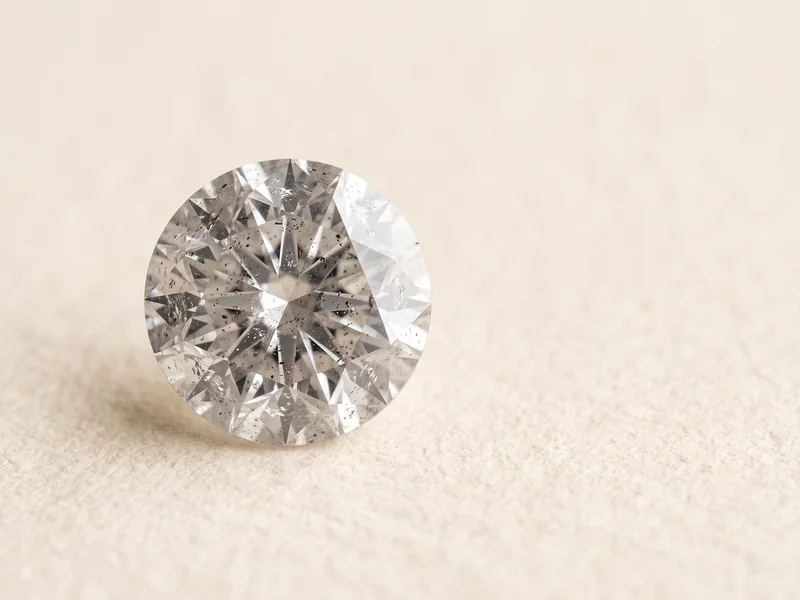 Fancy Colour DiamondsGrey and Salt-and-Pepper Diamonds
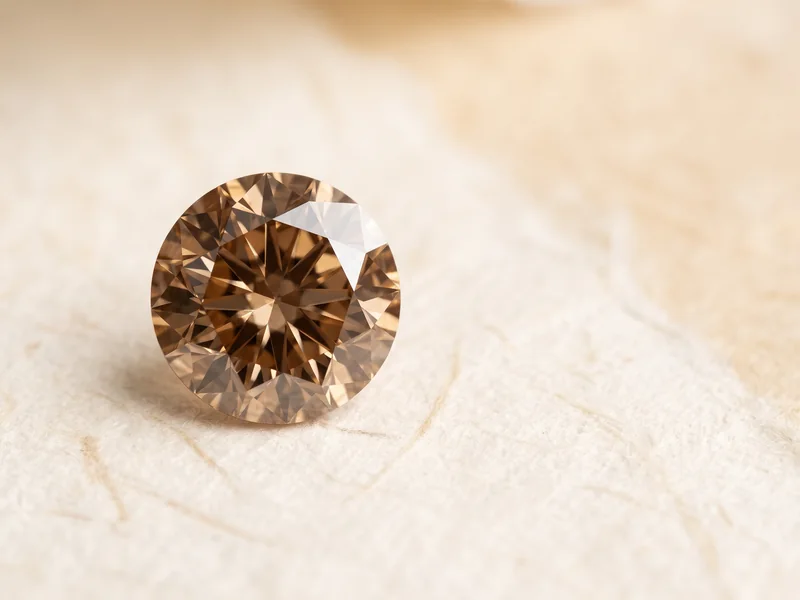 Fancy Colour DiamondsBrown, Champagne and Cognac Diamonds
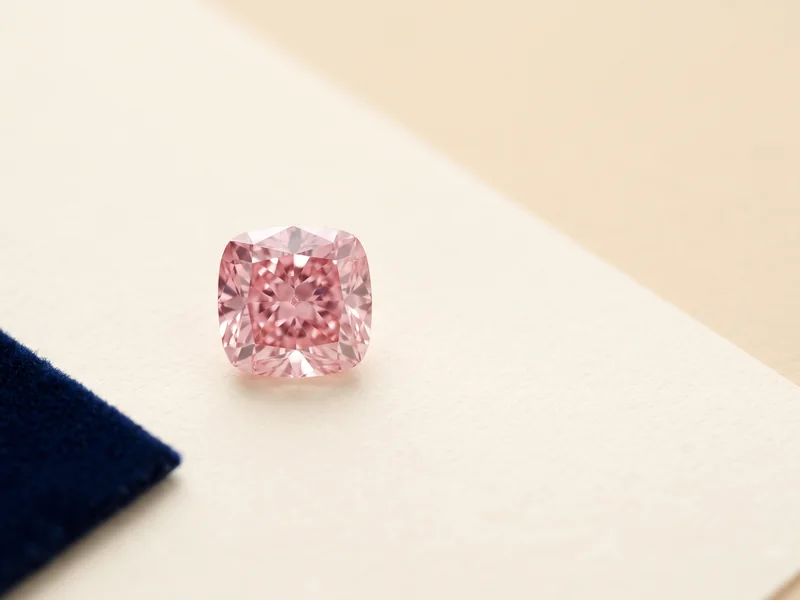 Fancy Colour DiamondsFancy Colour Intensity Scale: Faint to Vivid
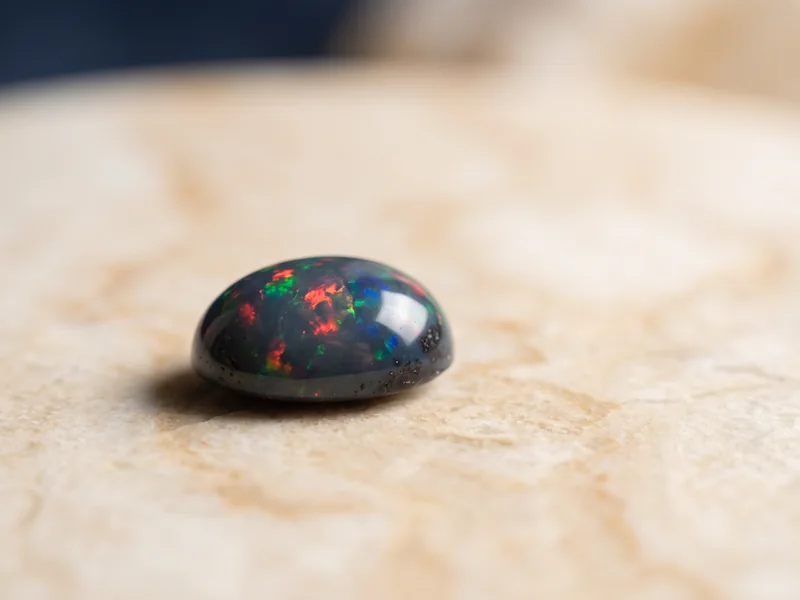 GemstonesBlack Opal
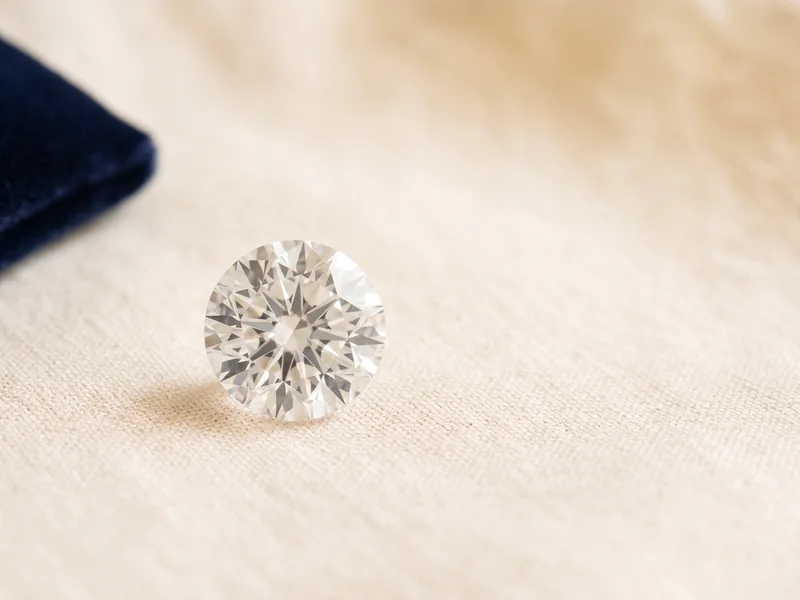 Diamond 4Cs & GradingAre Black Inclusions Bad in a Diamond?
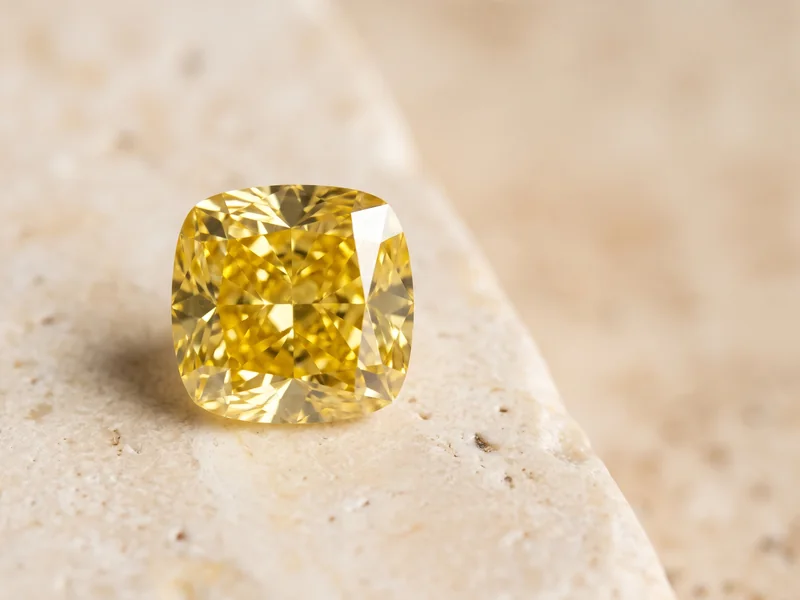 Fancy Colour DiamondsYellow and Canary Diamonds
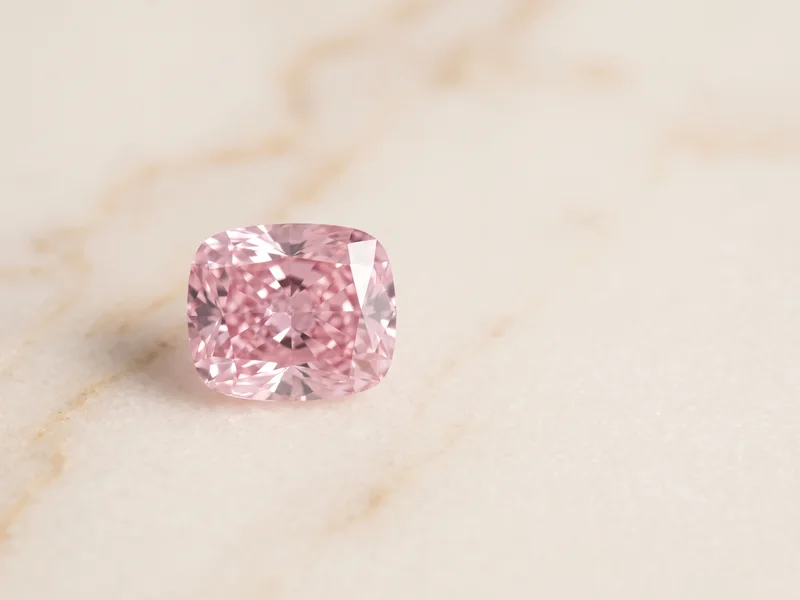 Fancy Colour DiamondsPink Diamonds
Explore more
More guides on this topic
Education