
- Education
- Engagement Rings & Settings
- Custom Diamond and Gemstone Setting Melbourne
Stone setting in Melbourne
Custom Diamond and Gemstone Setting Melbourne
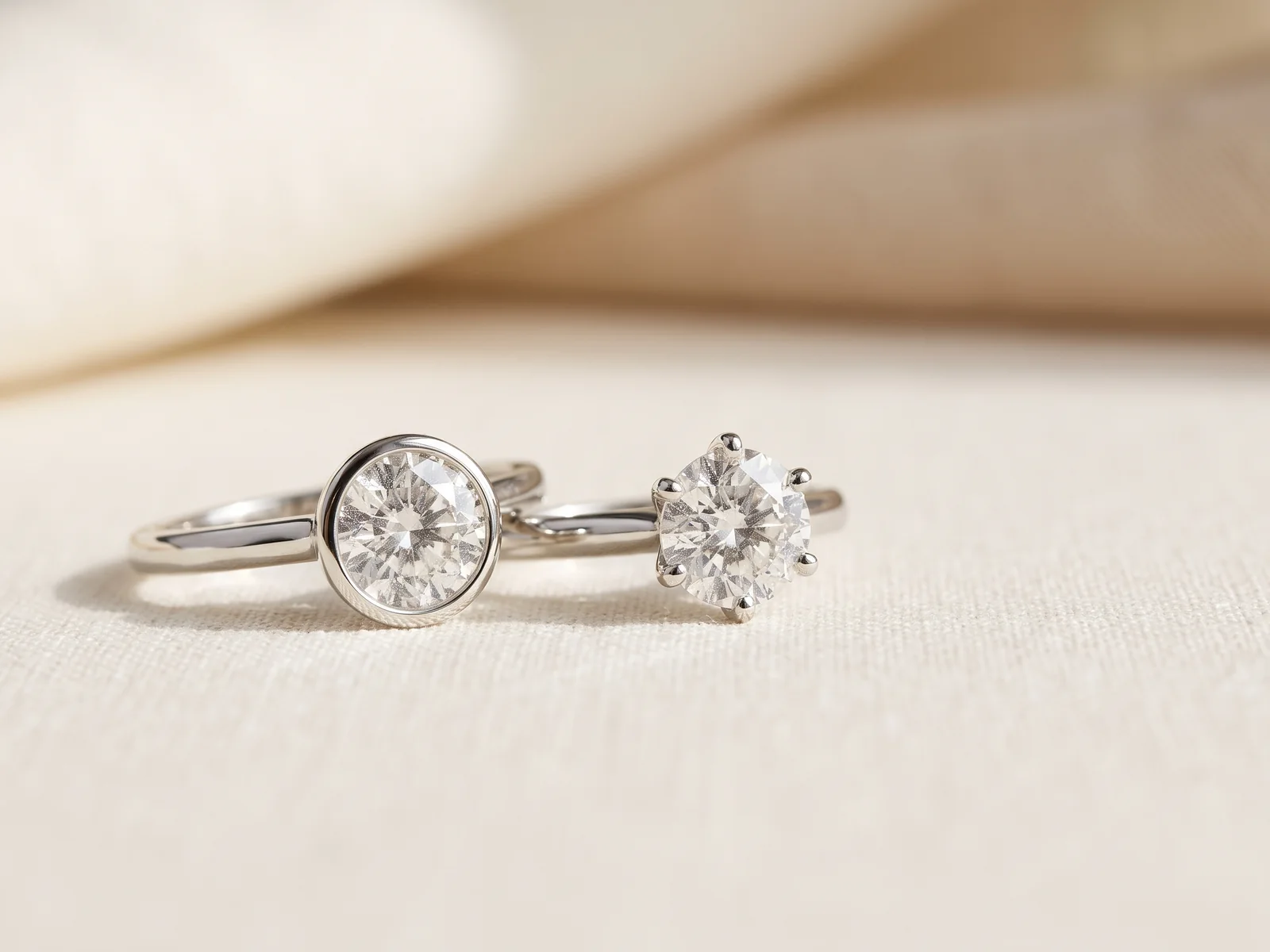
The right setting protects the stone, shows it at its best and decides how the jewellery wears every day. Whether you choose a stone from us or bring your own, we match the setting to the stone, the design and the way you live.
 Reviewed by Raj Sood, Graduate Gemologist (GIA), AJP (GIA)Founder and Graduate Gemologist (GIA) · reviewed 17 November 2026
Natural diamonds in stock today
See all 38,713 in stock →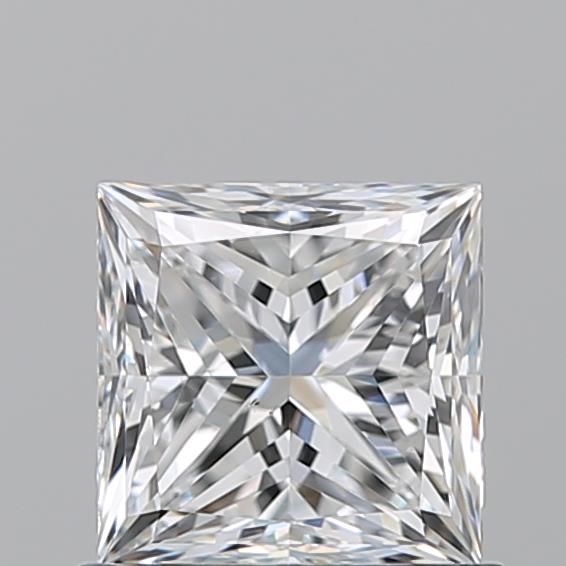 Natural Diamond1.01 ct Princess DiamondF · VS2 Clarity · EX · EX · FNT$3,138 AUDAll taxes inclusive
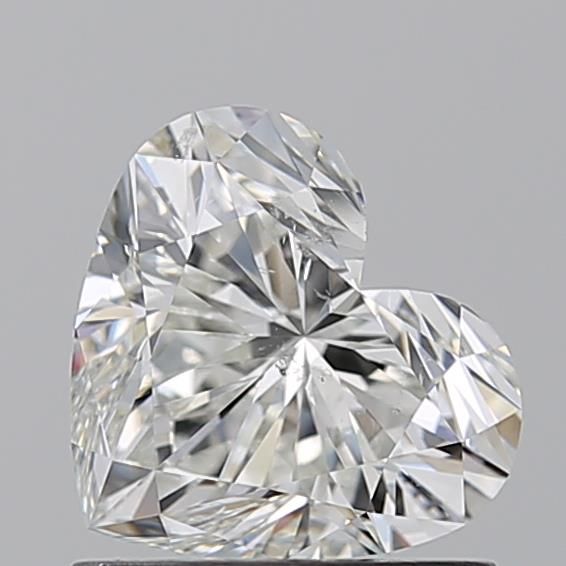 Natural Diamond1.02 ct Heart DiamondH · SI2 Clarity · EX · EX · NON$3,138 AUDAll taxes inclusive
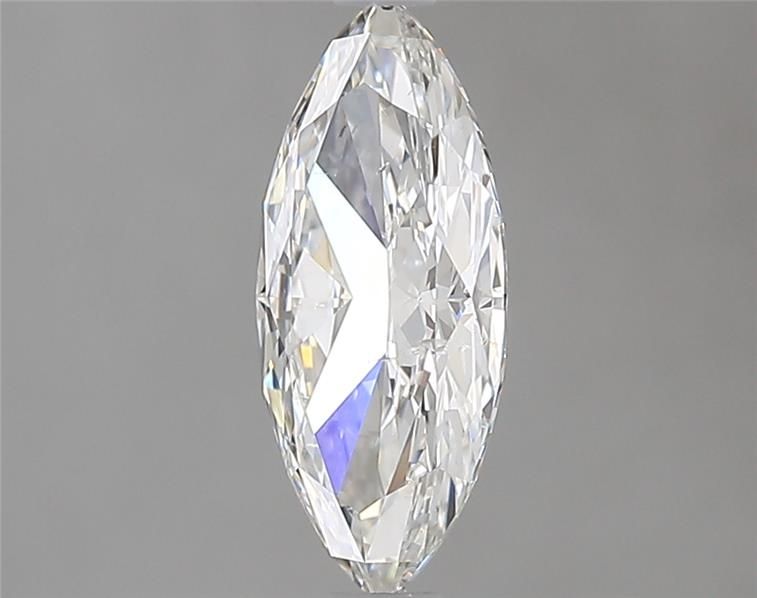 Natural Diamond1.02 ct Marquise DiamondG · SI2 Clarity · EX · EX · NON$4,708 AUDAll taxes inclusive
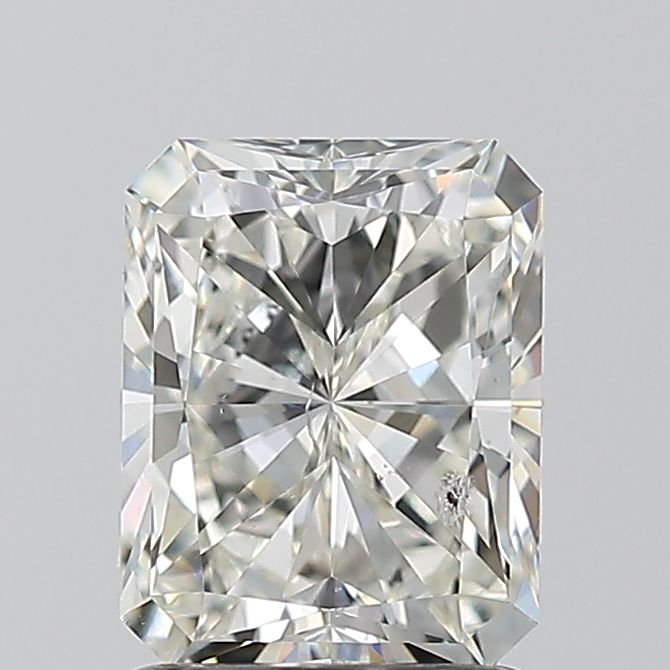 Natural Diamond1.50 ct Radiant DiamondJ · SI2 Clarity · EX · VG · FNT$4,708 AUDAll taxes inclusive
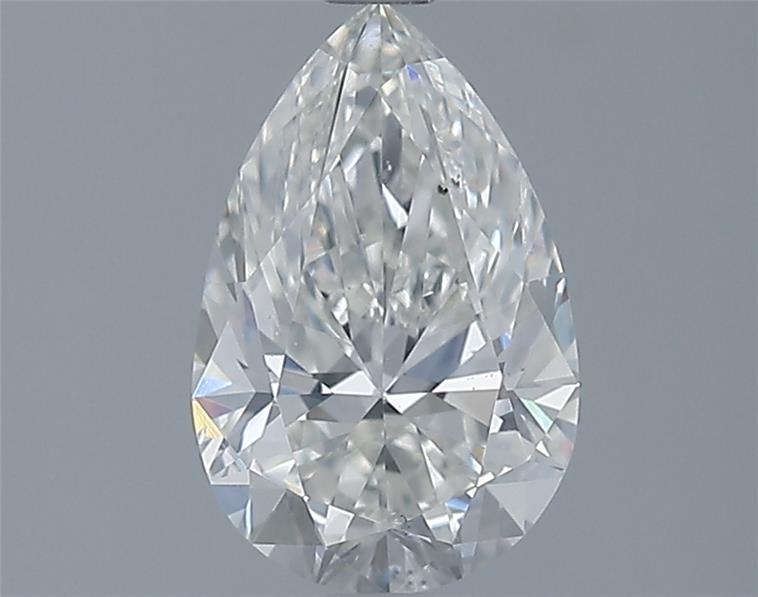 Natural Diamond1.50 ct Pear DiamondI · SI1 Clarity · VG · VG · NON$8,318 AUDAll taxes inclusive
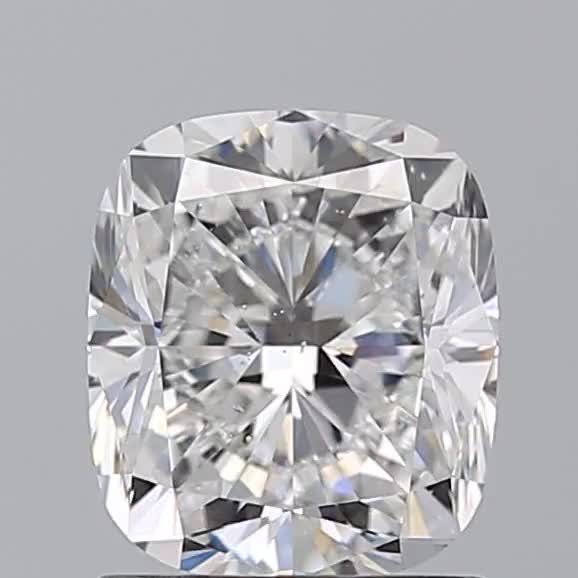 Natural Diamond1.50 ct Cushion DiamondE · SI1 Clarity · EX · EX · FNT$8,318 AUDAll taxes inclusive
In stock when checked on 23 Nov 2026, 5:48 am. Each diamond’s own page shows its live price and availability. Please check the lab report before you commit.
Quick answer
GemTrove sets diamonds and gemstones into custom rings, pendants, earrings and bands at our Melbourne CBD showroom, Unit 903/125 Swanston St, Melbourne VIC 3000. Choose claw, bezel, pavé, channel or flush settings, or bring your own stone to reset. Raj Sood, a Graduate Gemologist (GIA), checks every stone's suitability before it is set. Allow up to 5 weeks; some pieces are ready sooner.
What is custom diamond and gemstone setting?
Stone setting is the craft of securing a diamond or gemstone in metal. Custom setting means the setting is chosen and made for one particular stone and one design: a centre stone, side stones, pavé diamonds, coloured gemstones, an heirloom stone or a replacement stone.
A setting does far more than hold a stone. It decides how high the stone sits, how much light reaches it, how easy it is to clean, how comfortable the piece is, how often it needs repair, and the whole character of the jewellery. A setting that suits a diamond may not suit a softer or more brittle gemstone. See the gemstone hardness guide and gemstone durability for everyday rings.
Which setting styles can you choose?
- Claw (prong): four or six claws let in the most light. See four-claw vs six-claw and claw types.
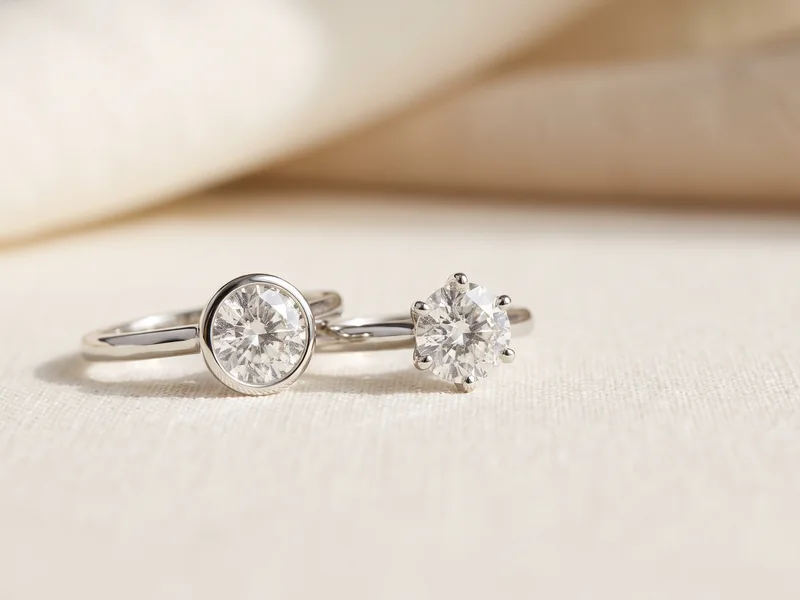
- Bezel: a rim of metal around the stone, the most protective choice. See bezel vs claw settings.
- Pavé: many small diamonds set close together for a continuous sparkle.
- Channel: stones held between two walls of metal, smooth to wear. See channel-set diamonds.
- Flush: the stone sits level with the metal surface. See flush and gypsy settings.
- Tension: the stone appears held by the band alone. See tension and suspended settings.
- Halo and hidden halo: small diamonds around or under the centre. See halo rings and hidden halos.
Most designs combine styles: a claw-set centre with pavé shoulders, or a bezel-set centre with a plain band. We'll show you examples of each so you can see how they look on the hand, not just in a picture.
The full list of setting styles we make
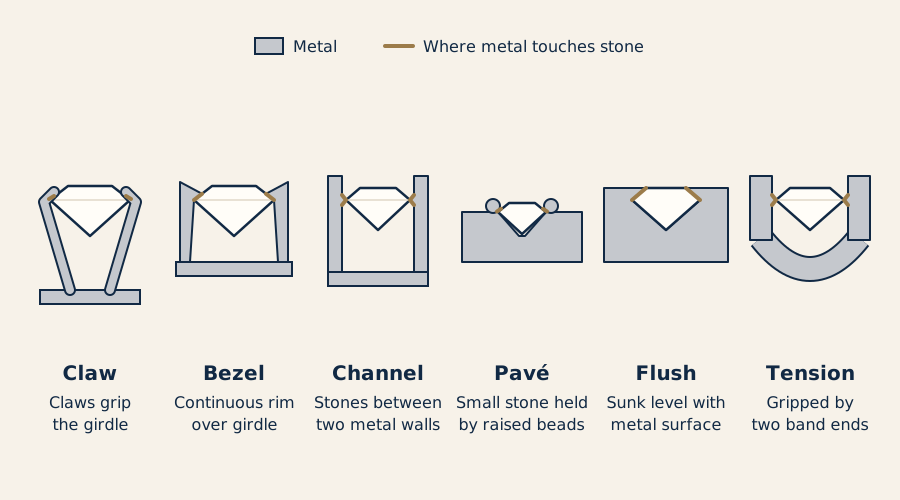
| Setting | How the stone is held | Suits |
|---|---|---|
| Four-claw and six-claw | Wire claws over the edge of the stone | Solitaires, studs and pendants |
| Double claw, eagle claw and V-claw | Shaped claws; V-claws cover a point | Emerald cuts, pears, marquises, princess cuts |
| Basket and trellis | Claws joined by a gallery under the stone | Lower-set rings and earrings |
| Cathedral | Shoulders that rise to support the head | Solitaires that need side protection |
| Full bezel (rub-over) | A rim of metal all the way round | Active hands; soft and fragile stones |
| Half bezel | Metal on two sides, open on two | A modern look with good protection |
| Channel | Stones in a row between two walls | Wedding and eternity bands |
| Bar | A bar of metal between each stone | Bands with larger stones |
| Shared claw | One claw holds two neighbouring stones | Eternity bands and tennis bracelets |
| Pavé and micro-pavé | Tiny beads raised from the metal | Diamond bands, halos and shoulders |
| Flush (gypsy) | The stone sunk level with the surface | Men's rings, signets and plain bands |
| Halo and hidden halo | A ring of small stones around or under the centre | Making the centre look larger |
| Cluster | Several stones set to read as one | Vintage styles and coloured stones |
| Three-stone and side-stone | A centre with matched stones each side | Engagement and anniversary rings |
| Tension and tension-style | The band itself grips the stone | Hard stones only: diamond, sapphire, ruby |
| Invisible | Grooved stones locked onto a hidden frame | Square stones set edge to edge |
| Peg and cup | A post into a half-drilled pearl | Pearls |
Compare them in bezel and claw settings for everyday wear, four claws against six, shared claw and channel bands and low-profile and high-profile rings.
How does the stone's shape change the setting?
Pointed and cornered shapes need their weak spots protected. Pears, marquises, hearts and princess cuts need claws or V-prongs over their points and corners; see claw placement for pointed shapes. Step cuts show the setting more, so clean, simple metalwork suits them.
Each shape has its own best settings: see settings for round diamonds, settings for emerald cuts, settings for Asscher cuts, settings for cushion cuts and settings for marquise diamonds.
Have an idea but not a design yet?
Bring a sketch, a photo or the stones you already own, and we will tell you what can be made, in which metal, and what decides the price.
How are coloured gemstones set differently?
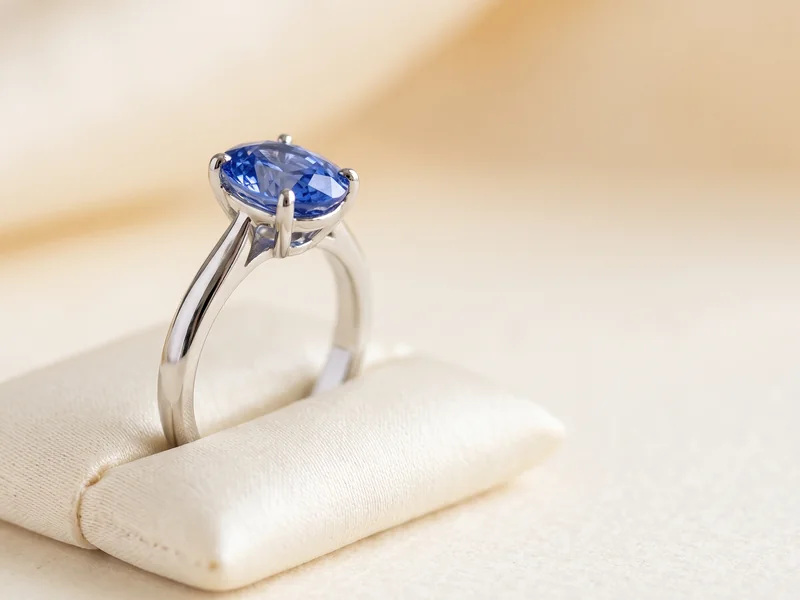
Coloured gemstones vary far more than diamonds. Sapphires and rubies are hard and tough and can take most settings. Emeralds, opals, tanzanite and pearls are softer or more fragile and need lower, more protective settings and gentler setting work. Treated stones may not tolerate heat during the work. See how to design a secure setting for a coloured gemstone and gemstone care by stone.
How much does custom diamond or gemstone setting cost?
A custom setting has no fixed price, because it is made for one stone and one design. You get a quote once the stone has been checked and the design agreed, and nothing is made until you approve it. These are the things that move the price:
- The setting style. A claw-set solitaire takes less making than a halo, a pavé band or a full bezel.
- The metal. Platinum and 18ct gold cost more than 9ct, and a heavier setting uses more.
- The stone's shape. Pointed and unusual shapes need shaped claws or a made-to-fit bezel.
- Side stones. Any small diamonds added to the design are a separate cost.
- The piece. A ring, a pendant, a pair of earrings and a bracelet each take different work.
- New or reset. Resetting a stone into an existing ring is a different job from making a new setting.
The centre stone is priced separately from the setting. If you need a stone, the prices of loose diamonds in our stock are shown further down this page.
How long does custom setting take?
Allow up to 5 weeks for custom setting. Some pieces are ready sooner. The time depends on the design, the metal, and whether stones have to be sourced and matched.
We confirm the time for your piece with the quote, before anything is made. If it is for a date, such as a wedding, a birthday or an anniversary, tell us at the first appointment so the date is part of the plan from the start.
What do GemTrove customers say?
These are Google reviews from GemTrove customers, quoted word for word.
5.0 on Google
★★★★★
“… Raj has been incredible to work with and guided us through designing both our engagement rings last year and now the wedding rings. … The craftsmanship and attention to detail are outstanding, and the rings turned out even more beautiful than we imagined. …”
Tanveer D.
Google review · engagement and wedding rings
★★★★★
“… i have a very custom ring i was after as it was an engagement ring, what i wanted was exactly what i got …”
Eric G.
Google review · custom engagement ring
★★★★★
“Raj is very friendly and knowledgeable on all things diamonds. I went to him to make an engagement ring for me after seeing all his positive reviews. He helped me design the perfect ring. He listened to everything I was looking for and gave me great advice along the way.”
The Adsta
Google review · engagement ring
★★★★★
“… His advice on the ring size, design, and overall style was invaluable, and he took the time to ensure every detail was perfect. The entire process was smooth, transparent, and completed within the expected timeframe. …”
Seno R.
Google review · engagement ring
★★★★★
“… We wanted to pick out our preferred stone with GIA certification and then the setting (custom made). … Raj acted with efficient communications to ensure for the transaction to move forward. …”
Whiz
Google review · GIA-certified diamond and custom setting
★★★★★
“… I had a deadline too which he went above and beyond to meet. …”
Gary L.
Google review · ring made to a deadline
Read all GemTrove reviews on Google
Can you bring your own diamond or gemstone to be set?
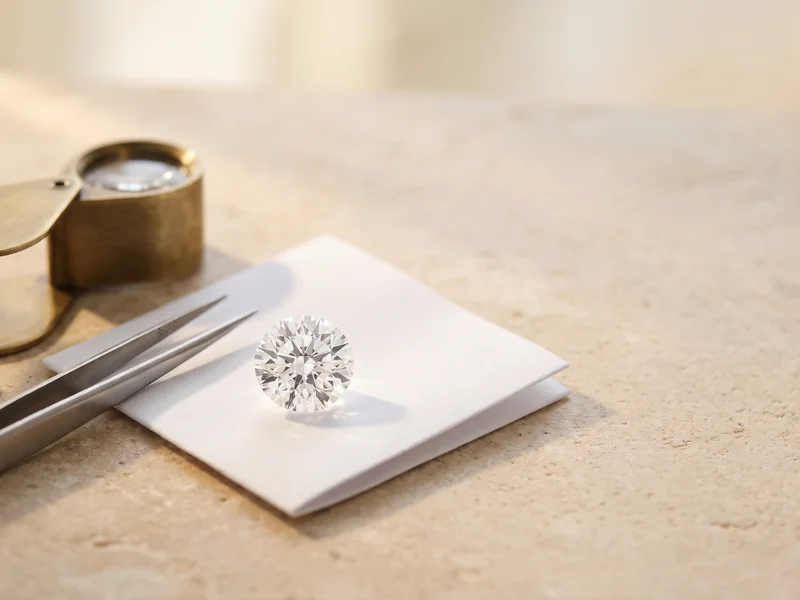
Yes. Many clients bring a family diamond, a stone from an old ring or a loose stone bought elsewhere. Before it is set, we identify it, check it for chips, cracks and treatments, and measure it, so the new setting is modelled around its exact size. If a stone is damaged, we explain your options first; see gemstone and diamond repair.
See setting a loose diamond, what can be reused safely and redesigning an old ring.
The full detail on supplying your own stone, including how it is assessed and which stones should not be set, is on our bring your own diamond or gemstone page.
How is a setting designed around your stone?
Our in-house CAD designers model the setting in 3D around the stone's measurements. Irregular, carved and customer-supplied stones may be scanned so the setting fits precisely; see gemstone and ring scanning for CAD. You approve the design before anything is made, then our master jewellers make it in our Melbourne workshop. See how to read a CAD render and from CAD to casting.
Which pieces can be custom set?
- Engagement rings: see custom engagement rings in Melbourne and design your own engagement ring.
- Wedding and eternity bands: see custom eternity rings and wedding bands.
- Pendants: see pendant settings.
- Earrings: see drop earring settings.
- Bracelets and other pieces, designed around the stones you choose.
Which metal holds stones best?
Platinum is dense and holds claws and stones very securely, and it stays white without plating. Gold is easier to shape and comes in yellow, white and rose; higher karats are softer. The right metal also depends on the stone's colour. See white gold vs platinum, the best metal for engagement rings and how metal changes a diamond's colour.
How do you keep set stones secure?
Every setting wears. Claws thin, bezels and channels take knocks, and pavé loses the odd small stone. Have your jewellery checked once a year and clean it gently. See when claws need retipping, loose stones and stone tightening and ring repair.
How does a custom setting job work?
- Consultation. We look at the stone, talk about the design you want and how you'll wear it.
- Stone check. Identification, measurements, and a check for chips, cracks and treatments.
- Setting choice. We recommend the styles that protect the stone and suit the design, and explain the trade-offs.
- 3D design. The setting is modelled around the stone, and you approve it before anything is made.
- Making and setting. Our master jewellers make the piece and set the stone by hand.
- Final check. Every claw, bezel and stone is checked under magnification before you collect it.
Setting work is precise. Claws are shaped and pushed over the stone a fraction at a time, and bezels are worked down evenly all the way round, so the stone sits level, tight and safe. Taking time here is what stops a stone moving years later.
What do diamonds cost today?
If this guide has you looking at real stones, here is what certified diamonds cost in GemTrove's own stock on 17 November 2026.
| Carat (D–G, VVS–SI1), 17 Nov 2026 | Natural | Lab-grown |
|---|---|---|
| 1.00 ct | from $2,118; mid-range around $5,938 | from $638; mid-range around $778 |
| 1.50 ct | from $5,098; mid-range around $14,788 | from $738; mid-range around $958 |
| 2.00 ct | from $11,468; mid-range around $34,338 | from $888; mid-range around $1,268 |
| 3.00 ct | from $36,608; mid-range around $72,698 | from $1,088; mid-range around $2,338 |
These are loose diamond prices from GemTrove's live stock on 17 November 2026, in Australian dollars with taxes included. They cover every shape in each size band (for example 1.00 to 1.09 carats). The prices are for D to G colour and VVS1 to SI1 clarity, the grades GemTrove normally sells. Lower colour and clarity grades cost less and are listed in the catalogue. The mid-range figure is the price around the middle of the stones in those grades. Prices change daily, and each diamond's own page shows its current price. The setting is quoted after the design is agreed. Please check the lab report before you commit. Browse natural diamonds or lab-grown diamonds in stock, or compare more sizes in our diamond price index for Australia.
Lab-grown diamonds in stock today
See all 18,509 in stock → Lab-Grown Diamond1.53 ct Round DiamondE · VVS1 Clarity · ID · EX · EX · NON$898 AUDAll taxes inclusive
 Lab-Grown Diamond1.52 ct Round DiamondE · VVS1 Clarity · ID · EX · EX · NON$898 AUDAll taxes inclusive
 Lab-Grown Diamond1.59 ct Round DiamondD · IF Clarity · ID · EX · EX · NON$1,088 AUDAll taxes inclusive
 Lab-Grown Diamond1.58 ct Round DiamondD · IF Clarity · ID · EX · EX · NON$1,088 AUDAll taxes inclusive
 Lab-Grown Diamond1.50 ct Pear DiamondD · FL Clarity · EX · EX · NON$1,778 AUDAll taxes inclusive
 Lab-Grown Diamond2.07 ct Oval DiamondD · FL Clarity · EX · EX · NON$1,778 AUDAll taxes inclusive
In stock when checked on 23 Nov 2026, 4:40 am. Each diamond’s own page shows its live price and availability. Please check the lab report before you commit.
What can a setting not do, and when would we advise against it?
- Make a fragile stone tough. A setting protects; it does not change what the stone is. See gemstone durability for everyday rings.
- Hold a damaged stone safely. A chip or a fracture where a claw would sit has to be dealt with first. See our gemstone and diamond repair service.
- Be both the lowest and the most open. More metal means more protection and less light. We explain the trade-off for your stone.
- Suit every lifestyle. A high, fine claw setting is not the right choice for hands that work hard. See settings for active hands.
If we think a stone should not be set the way you have asked, we tell you before any design work, and suggest what would work.
Where can you have a stone set in Melbourne?
At our showroom in the Melbourne CBD, by appointment. GemTrove has been in business since 2008, and our family has been in the jewellery trade since 1984. Every stone and design is different, so we quote once we have seen your stone. For a price, ask us.
- Showroom: Unit 903/125 Swanston St, Melbourne VIC 3000 (Level 9), by appointment.
- Hours: Monday to Friday 9:30 am to 5:30 pm, Saturday 11:30 am to 1:00 pm, Sunday closed.
- Phone: 0488 878 000.
- Book: book a setting consultation, and bring the stone and any report for it.
From guide to ring. Our page on custom engagement rings in Melbourne sets out the steps, the timing and what diamonds cost today. If you would rather start from stones in stock, see engagement rings in Melbourne, then read how our made-to-order process works. Related pages: loose diamonds in Melbourne and lab-grown diamonds in Melbourne. Raj Sood, Graduate Gemologist (GIA), sees clients by appointment at Unit 903/125 Swanston St, Melbourne VIC 3000.
Free consultation
Talk to a gemologist
Compare stones in person or online with Raj Sood, Graduate Gemologist (GIA), AJP (GIA).
Book a consultationFAQ
Common questions
Can I bring my own diamond to be set?
Yes. We identify and inspect it, measure it, then design and make a setting around it. If it's damaged, we explain the options first.
What is the most secure setting for a diamond?
A bezel, which surrounds the stone with metal, is the most protective. Six claws are more secure than four, and V-prongs protect pointed shapes.
Is a bezel setting good for everyday wear?
Yes. It protects the girdle and sits smoothly, which suits active hands. It shows slightly less of the stone than claws.
How long does custom setting take?
Allow up to 5 weeks. Some pieces are ready sooner. We confirm the time with your quote, so tell us at the start if it is for a date.
Can a fragile gemstone such as an opal be set safely?
Yes, with a protective setting and gentle setting work. We check the stone first and recommend a design that suits it.
How much does it cost to set a diamond?
It depends on the setting style, the metal and the stone. GemTrove quotes once the stone has been checked and the design agreed, and nothing is made until you approve.
Can you reset stones from an old ring?
Yes. We check each stone and design a new piece around them. See what can be reused safely.
Will a setting make my diamond look smaller?
It can. Heavy bezels and thick claws cover more of the stone. A fine claw or a thin bezel edge, a halo, or a white metal around a white diamond can all make a stone look larger.
Terms in this guide
Ask a gemologist
Not sure how to turn the idea into a piece?
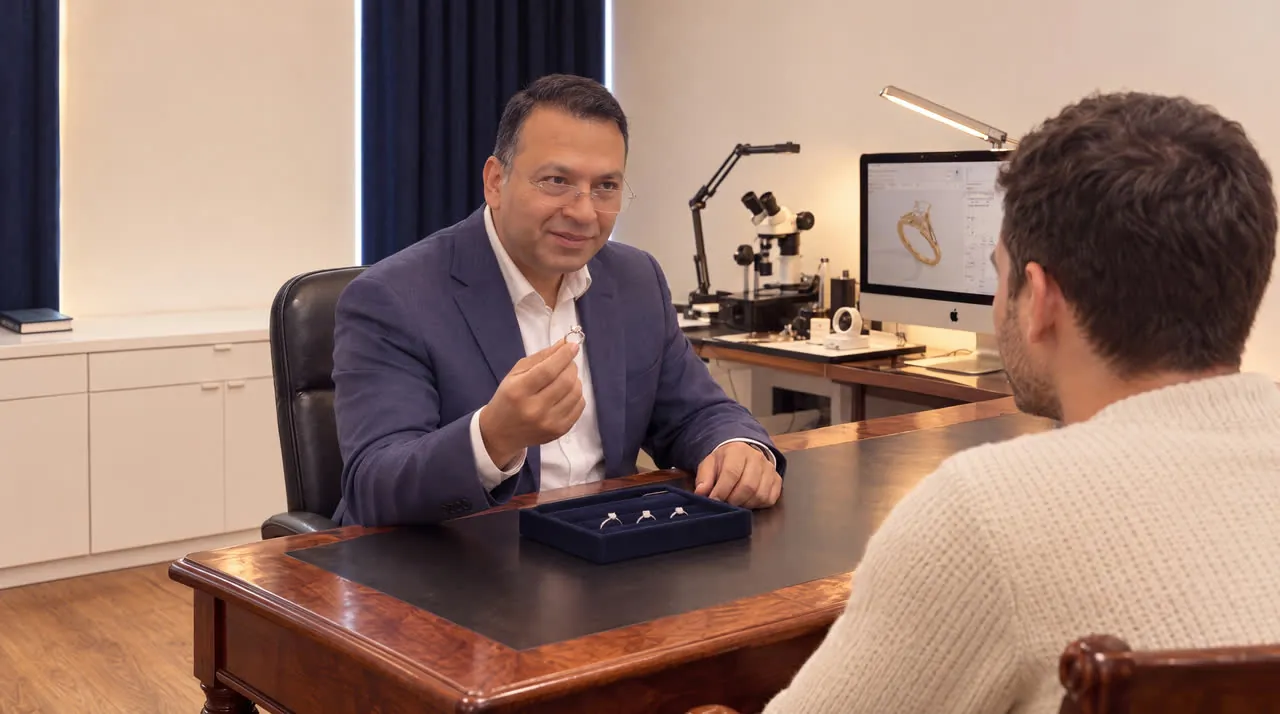
Raj Sood is a Graduate Gemologist (GIA) who works alongside our in-house CAD designers and master jewellers. Bring the idea, the stones or the old jewellery, and he will tell you honestly what will work and what will not.
Keep learning
Related guides
 Engagement Rings & SettingsBezel vs Claw Settings for Everyday Wear
 GemstonesHow to Design a Secure Setting for a Coloured Gemstone
 Care, Repairs & RemodellingSetting a Loose Diamond Into an Existing Ring
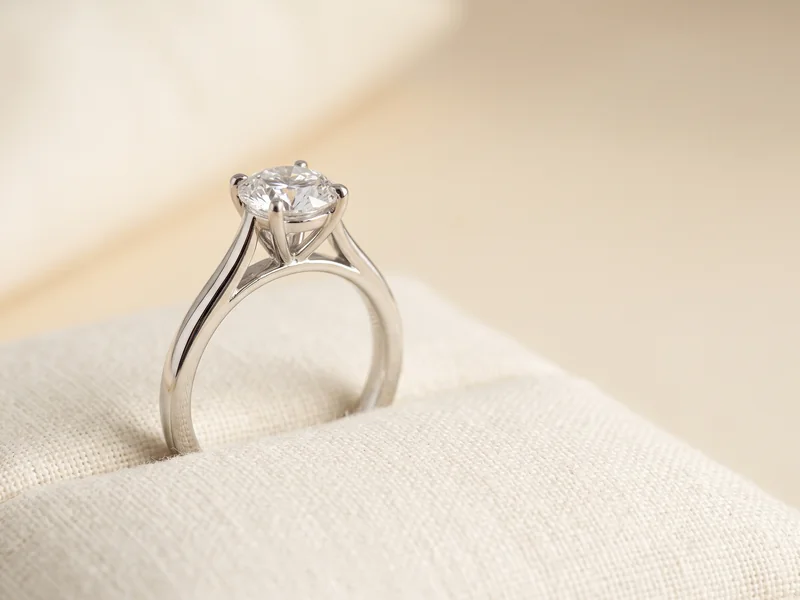 Engagement Rings & SettingsClaw Types: Round, Eagle, Tab, V-Prong, Double
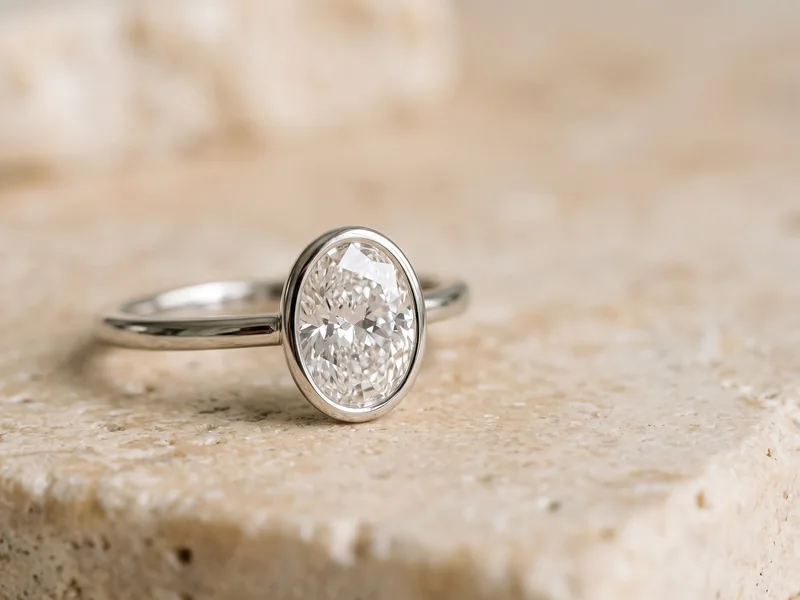 Engagement Rings & SettingsBest Engagement Ring Settings for Active HandsMetalsBest Metal for Engagement Rings
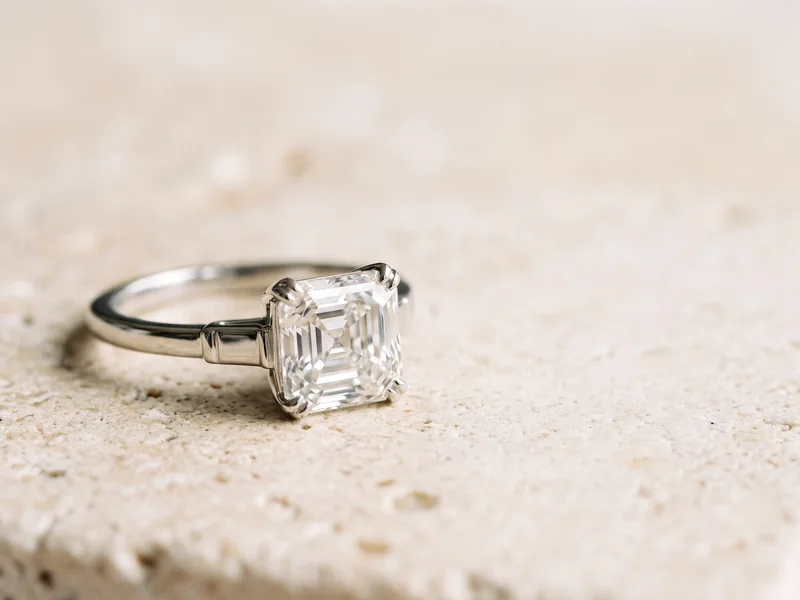 Engagement Rings & SettingsBest Settings for Asscher Diamonds
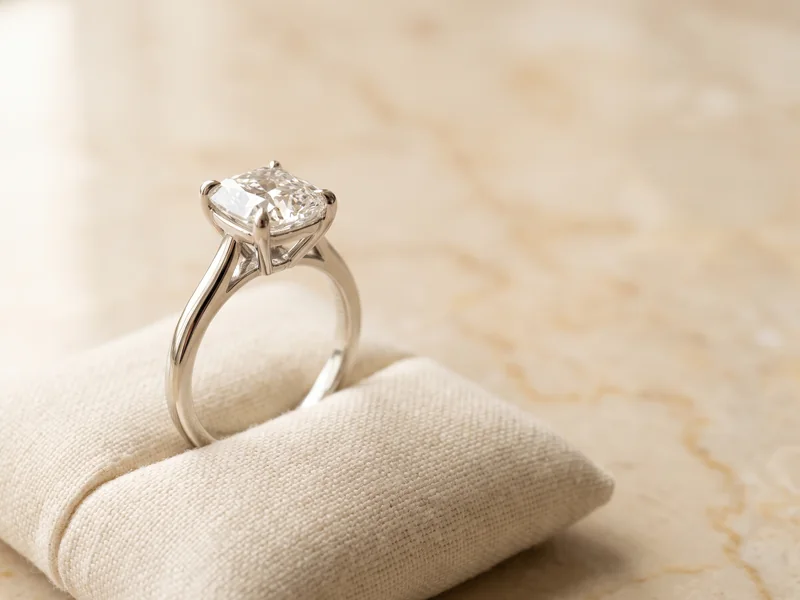 Engagement Rings & SettingsBest Settings for Cushion Diamonds
Explore more
More guides on this topic
Education