
- Education
- Certificates & Valuations
- Jewellery Valuation Melbourne
Valuations in Melbourne
Jewellery Valuation Melbourne
A valuation turns a piece of jewellery into a clear written record: what it is, what it's made of and what it's worth for a stated purpose. Here is what a valuation covers, when you need one, and how to get the most out of it.
 Reviewed by Raj Sood, Graduate Gemologist (GIA), AJP (GIA)Founder and Graduate Gemologist (GIA) · reviewed 17 November 2026
Quick answer
GemTrove provides jewellery and diamond valuations at our Melbourne CBD showroom, Unit 903/125 Swanston St, Melbourne VIC 3000. Raj Sood, a Graduate Gemologist (GIA), examines the metal, diamonds and gemstones and documents the piece for its purpose, such as insurance, an estate or your own records. Book an appointment and bring any papers you have. Allow up to 5 weeks; some jobs take a day or two.
What is a jewellery valuation?
A jewellery valuation is a written assessment of a piece, prepared for a specific purpose. It describes the item, its metal, its diamonds and gemstones, its construction and its condition, and gives a value that suits that purpose. A valuation for insurance and a valuation for an estate can give different figures for the same ring, because they answer different questions.
A valuation isn't the same as a laboratory grading report. A report from a laboratory such as GIA or IGI grades a loose diamond; a valuation describes the finished piece and puts a value on it. See valuation vs diamond grading report for the full difference, and what determines a diamond's value for the factors behind the number.
When do you need a jewellery valuation?
- Insuring a new piece. Most insurers ask for a current valuation before they cover jewellery. See how jewellery insurance works in Australia.
- Updating an old valuation. Metal prices and diamond prices move, so a valuation from years ago may leave you under-insured. See how often to revalue jewellery.
- Inherited jewellery. Families often need a clear record of what a piece is before it is divided or insured. See valuations for estates and family law.
- Before remodelling or upgrading. Knowing what you have helps you decide what to reuse. See what can be reused safely and upgrading your diamond.
- Peace of mind. Some owners simply want an expert record of a piece they love.
Which pieces can be valued?
Any piece of jewellery, any loose stone, and any number of them.
| Piece | What the valuation records |
|---|---|
| Engagement rings | The centre stone, the side stones, the metal and how the ring is made |
| Wedding and eternity bands | Metal, width and weight; the number, size and quality of any stones |
| Earrings, pendants and necklaces | Each stone, the metal and the chain or fittings |
| Bracelets, bangles and tennis bracelets | Total diamond weight, the setting and the length |
| Loose diamonds and gemstones | The stone on its own, checked against any report |
| Coloured gemstone jewellery | Identification, measurements, colour and any treatment that can be seen |
| Pearls | Type, size, lustre, matching and the clasp |
| Watches | Make, model, materials and condition |
| Antique and inherited jewellery | Age and style where they can be judged, as well as materials |
| Gold jewellery without stones | Carat, weight and construction |
| A whole collection or an estate | Each piece listed and described separately |
| Pieces bought overseas or online | Checked against what the seller described |
Tell us what the valuation is for: insurance, an estate, a family law matter or your own records. The purpose changes the value that is used. See insurance valuations explained, valuations for estates and family law and a valuation compared with a diamond certificate.
Insurance value, replacement value or resale value?
The purpose decides the kind of value. An insurance valuation usually reflects what it would cost to replace the piece with one of similar quality. A resale or market figure reflects what the piece might sell for, which is usually lower. Our guide to replacement value vs resale value explains why the two numbers differ, and diamond resale value explained covers diamonds in detail.
Tell us the purpose when you book, so the valuation answers the right question. For insurance, read jewellery valuations for insurance first.
Not sure which kind of valuation you need?
Tell us what it is for, and our gemologist will tell you what the document has to include and what to bring.
What is looked at in a jewellery and diamond valuation?
- Metal: type and purity, checked against any stamps. See Australian hallmarks and metal stamps and 9k vs 18k gold.
- Diamonds: shape, measurements and estimated weight, colour and clarity. See the diamond 4Cs.
- Natural or lab-grown: the two have very different values, so identification comes first. See how laboratories identify natural and lab-grown diamonds.
- Gemstones: species, colour, size and any visible treatment. See natural, synthetic and simulant gemstones and heated vs unheated gemstones.
- Construction and condition: how it was made, the setting style, wear on claws and the band.
- Documents: any grading report, receipt or earlier valuation you bring.
Stones that are set can't always be weighed or graded as precisely as loose stones, so set stones are usually estimated from their measurements. Where a stone has a laboratory report, the report details can be matched to the stone. See how to verify a GIA report number.
How much does a jewellery valuation cost in Melbourne?
The fee for a valuation depends on the piece, and we tell you what it will be before we start. We do not publish a set fee, because a plain band and a ring with forty small diamonds are very different amounts of work. These are the things that move the fee:
- The number of stones. Every stone is measured and described, so a multi-stone piece takes longer.
- Set or loose. Stones in a setting have to be estimated; loose stones can be weighed and measured directly.
- The paperwork you bring. A grading report and earlier valuations save time. See valuation vs diamond certificate.
- The purpose. Insurance, an estate and family law each need the value stated on a different basis.
- Unknown stones. A stone that has to be tested to be identified adds to the work.
- How many pieces. A collection is quoted together.
Tell us what the valuation is for when you book. The purpose decides what the document has to say.
How long does a jewellery valuation take?
Allow up to 5 weeks. Many jobs are finished much sooner, and some simple ones take a day or two. The time depends on the work itself, the metal, and whether a stone or a part has to be sourced.
We confirm the time for your piece with the quote, before any work begins. If you need it back for a date, tell us when you book and we will tell you honestly whether it can be done.
A single ring with its paperwork is quicker than a collection, an estate or a piece whose stones have to be identified first.
What do GemTrove customers say?
These are Google reviews from GemTrove customers, quoted word for word.
5.0 on Google
★★★★★
“… Trusts isn't something that can be written in a few words, it is something to be earned. Buying something with not only high monetary value but of sentimental value depends on a lot of trusts. …”
Whiz
Google review · anniversary ring upgrade
★★★★★
“We got the sizing dramatically wrong and Raj was patient… He had it fixed quickly and delivered an excellent ring.”
Richard L.
Google review · ring sizing corrected
★★★★★
“… His deep knowledge of diamonds and the do's and don'ts of ring design was invaluable. … The craftsmanship and attention to detail are outstanding, and the rings turned out even more beautiful than we imagined. …”
Tanveer D.
Google review · engagement and wedding rings
★★★★★
“… His prompt communication and willingness to help made what could have been a stressful situation completely hassle-free. The craftsmanship, attention to detail, and level of care provided by Neeraj and the Gemtrove team exceeded my expectations. …”
Seno R.
Google review · engagement ring
★★★★★
“Raj is very friendly and knowledgeable on all things diamonds. I went to him to make an engagement ring for me after seeing all his positive reviews. He helped me design the perfect ring. He listened to everything I was looking for and gave me great advice along the way.”
The Adsta
Google review · engagement ring
Read all GemTrove reviews on Google
What should a good valuation include?
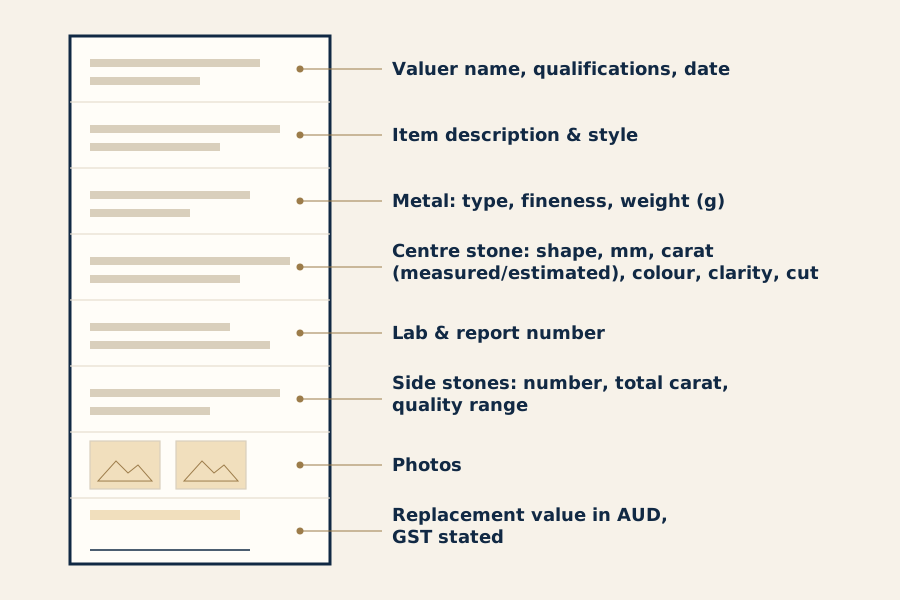
A valuation is only useful if it describes the piece well enough that anyone could recognise it, and an insurer could replace it with something genuinely similar. Whoever prepares it, a good valuation should include:
- The purpose and the date, because a value is only true for a purpose at a point in time.
- A full description of the piece: type, style, setting and how it was made.
- The metal, its purity and its approximate weight.
- Each diamond and gemstone: shape, measurements, estimated or reported weight, colour and clarity, and whether it is natural or laboratory-grown.
- Any grading report numbers, so the stone can be matched to its report.
- The value, stated for that purpose.
A short valuation that just says "diamond ring, $8,000" leaves you exposed, because an insurer can replace it with any ring at that price. Detail protects you. See how jewellery insurance works for why the description matters.
How are set diamonds estimated?
A diamond in a ring can't go on a scale, so its weight is estimated from its measurements. The diameter and depth are measured with a gauge and converted to an approximate carat weight for that shape; our diamond mm to carat size chart shows how size and weight relate. Colour is judged against reference stones, and clarity is checked under 10x magnification, using the same scales as the laboratories. See diamond colour grading and diamond clarity grades.
Because these are estimates, a valuation of a set stone is written as an estimate. If the stone has a laboratory report and its inscription can be matched, the report's exact details can be used instead.
Why can two valuations of the same piece differ?
- Different purposes: replacement and resale are different numbers.
- Different dates: gold, natural diamond and lab-grown diamond prices all move over time.
- Different detail: an estimate of a set stone and a figure taken from a grading report can differ.
- Different replacement assumptions: whether a similar piece would be handmade or mass-made changes the cost to replace it.
If you are comparing an old valuation with a new one, check that both are for the same purpose before comparing the numbers.
What should you bring to a valuation?
- The jewellery, ideally cleaned (see how to clean a diamond ring at home).
- Any grading report for the diamond or gemstone.
- The original receipt or invoice, if you have it.
- Any earlier valuation, so the new one can be compared.
- Your insurer's requirements, if the valuation is for insurance.
Older and inherited pieces often come without papers, and that's fine. We work from the piece itself.
Do lab-grown diamonds need a valuation?
If you want them insured, usually yes. A lab-grown diamond is valued as a lab-grown diamond, not as a natural one, so the valuation must identify it correctly. Read should a lab-grown diamond be insured and lab-grown diamond resale value before you decide how much cover you need.
How often should jewellery be revalued?
Every few years is a sensible habit, and sooner after a big change in gold prices or after any repair or remodelling. Gold is priced daily, so the metal in a piece can change in value even when nothing else does; see how gold prices affect jewellery prices. For natural diamonds over the long term, see natural diamond value over time.
How does a valuation at GemTrove work?
- Book. Book an appointment and tell us what the valuation is for.
- Bring the piece and its papers. We look at it with you at our Melbourne CBD showroom.
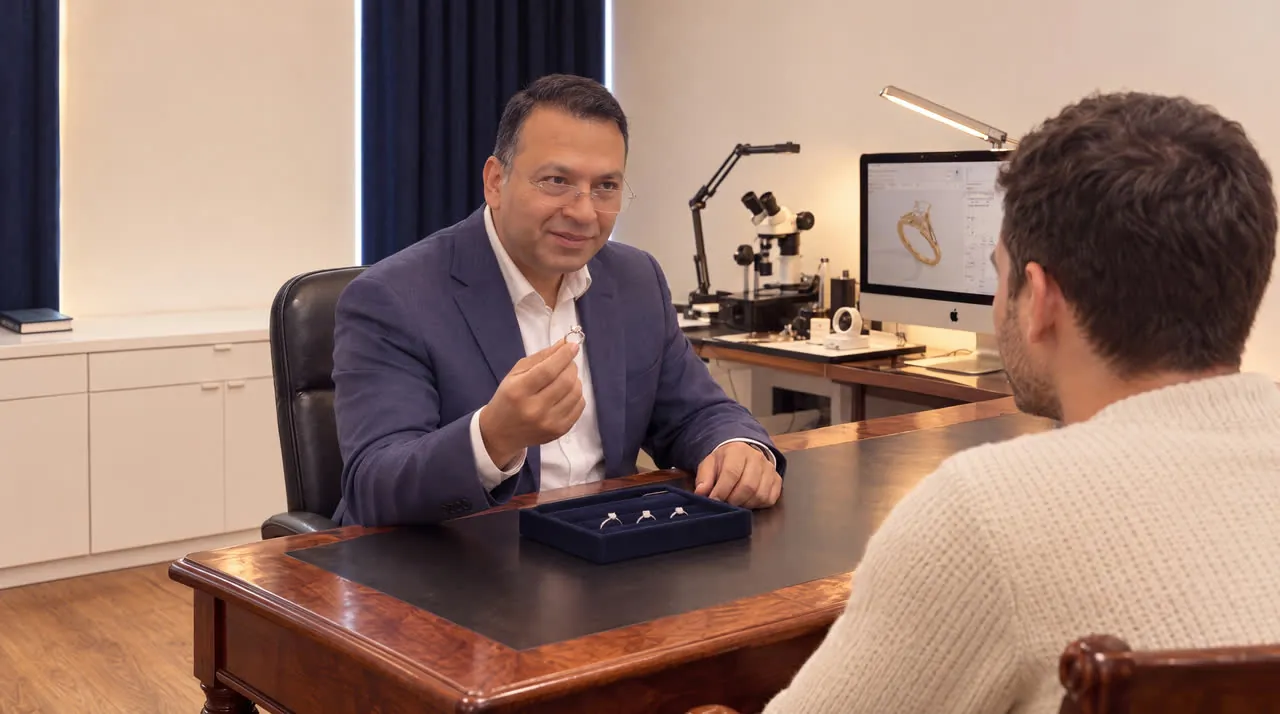
- Examination. Raj examines the metal, diamonds and gemstones, measures the stones and notes the construction and condition.
- Your valuation. You receive a written valuation for the stated purpose. Ask us about the fee for your piece. Allow up to 5 weeks; many jobs are ready sooner, and some take a day or two.
If the examination shows a worn claw or a loose stone, we'll tell you. See when ring claws need retipping and loose stones and stone tightening. Looking for a gemologist's opinion rather than a valuation? See our gemologist in Melbourne page.
What can a valuation not do?
- Replace a grading report. A valuation states a value; a laboratory report grades a stone. See certified vs uncertified diamonds.
- Give the exact weight of a set stone. Without taking the stone out, weight is estimated from its measurements.
- Tell you what you could sell it for. An insurance valuation is the cost to replace, which is higher than a resale price. See diamond resale value explained.
- Decide what an insurer will pay. That is set by your policy.
- Stay accurate for ever. Metal and diamond prices move, so a valuation dates.
If the examination finds a worn claw or a loose stone, we tell you. For claims on lost or damaged pieces, see insurance jewellery replacement.
Where can you get jewellery valued in Melbourne?
At our showroom on Swanston Street. GemTrove has been in business since 2008, and our family has been in the jewellery trade since 1984.
- Showroom: Unit 903/125 Swanston St, Melbourne VIC 3000 (Level 9), by appointment.
- Hours: Monday to Friday 9:30 am to 5:30 pm, Saturday 11:30 am to 1:00 pm, Sunday closed.
- Phone: 0488 878 000.
- Book: book a valuation visit.
Want a gemologist to look at it? Raj Sood is a gemologist in Melbourne, a Graduate Gemologist (GIA) who sees clients by appointment in the CBD. Read what a gemologist does, or see GIA diamonds in Melbourne. Related pages: loose diamonds in Melbourne and engagement rings in Melbourne. Raj Sood, Graduate Gemologist (GIA), sees clients by appointment at Unit 903/125 Swanston St, Melbourne VIC 3000.
Free consultation
Talk to a gemologist
Compare stones in person or online with Raj Sood, Graduate Gemologist (GIA), AJP (GIA).
Book a consultationFAQ
Common questions
How much does a jewellery valuation cost?
The fee depends on the piece, the number of stones and what the valuation is for. We tell you the fee before we start.
How long does a valuation take?
Allow up to 5 weeks. Many jobs are finished much sooner, and some simple ones take a day or two. We confirm the time with your quote, before any work begins.
Is a valuation the same as a diamond certificate?
No. A laboratory report grades a diamond; a valuation describes a finished piece and values it for a purpose. See valuation vs diamond grading report.
Can you value a ring without its papers?
Yes. We work from the piece itself. Papers such as a grading report or a receipt help, but they aren't required.
Can you value a lab-grown diamond?
Yes. It is identified and valued as a lab-grown diamond, which is different from a natural diamond of the same grades.
Why is my insurance valuation higher than what I could sell it for?
Insurance valuations usually reflect replacement cost, while a sale price reflects the second-hand market. See replacement value vs resale value.
Ask a gemologist
Need a valuation you can rely on?
Raj Sood is a Graduate Gemologist (GIA). Bring the piece and its papers, and he will examine the metal and every stone and tell you plainly what you have.
Keep learning
Related guides
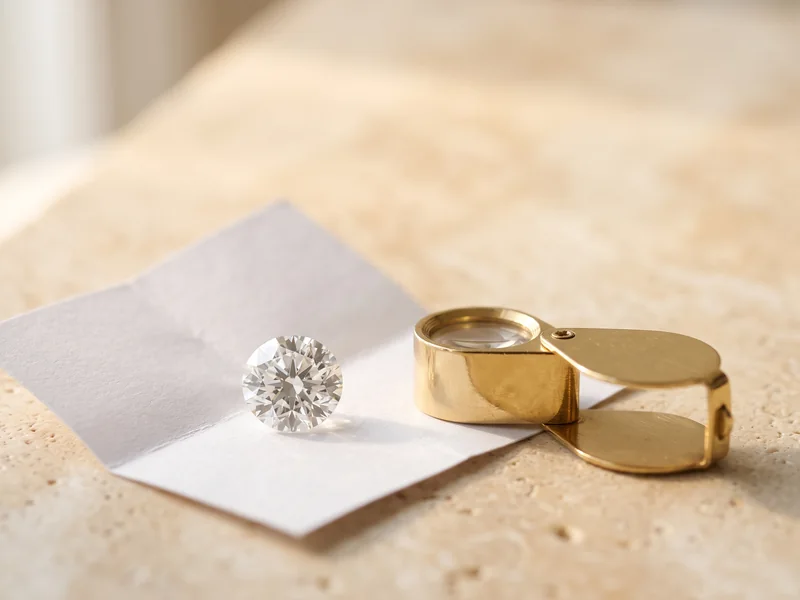 Certificates & ValuationsInsurance Jewellery Valuation Explained
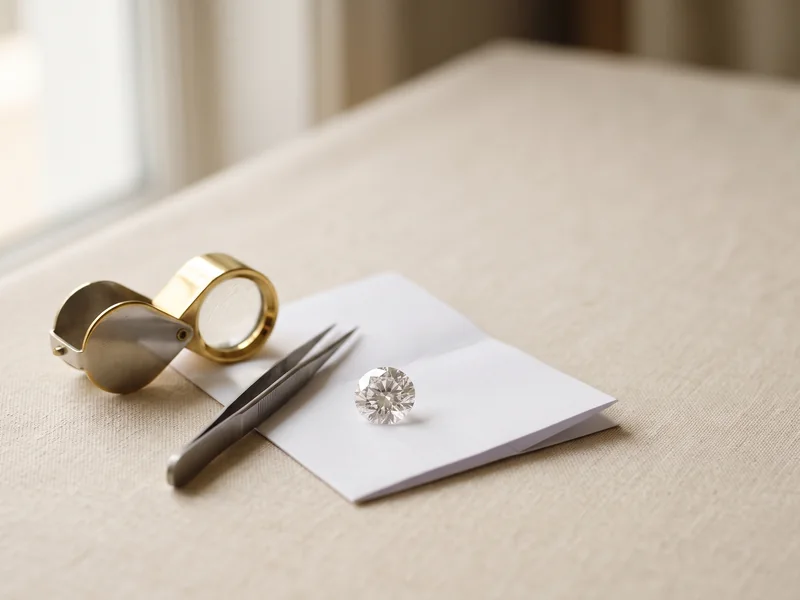 Certificates & ValuationsJewellery and Diamond ValuationCertificates & ValuationsHow Often to Revalue JewelleryCertificates & ValuationsJewellery Valuations for Estates and Family Law
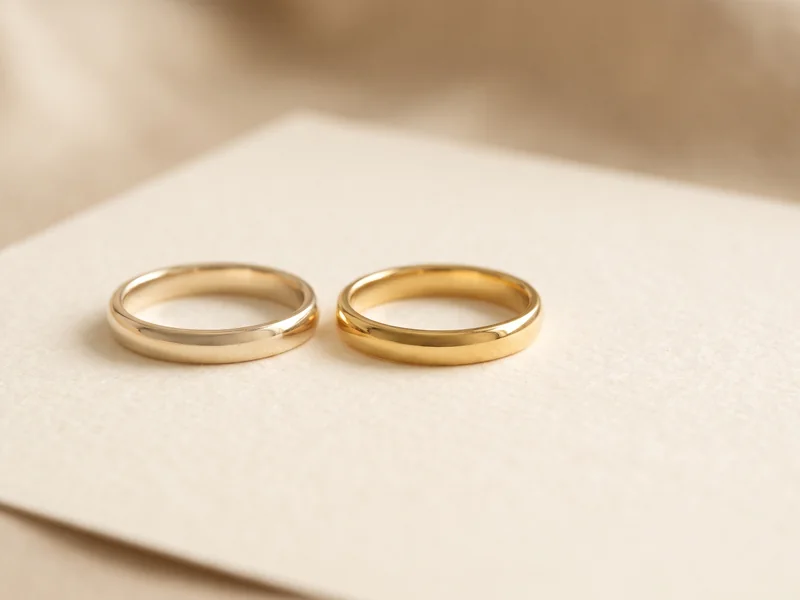 Metals9K vs 18K Gold: Which Gold Is Better for Jewellery?
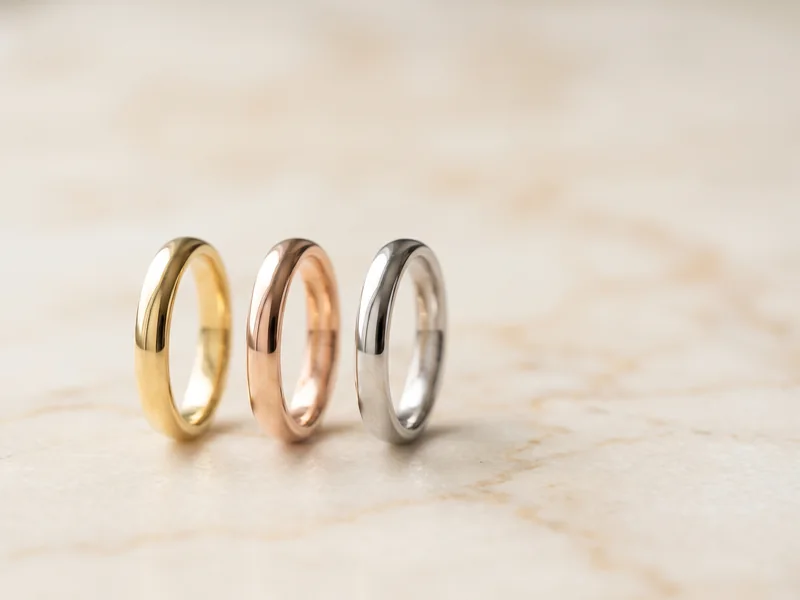 MetalsAustralian Hallmarks and Metal StampsCertificates & ValuationsCertified vs Uncertified DiamondsDiamond 4Cs & GradingDiamond 4Cs
Explore more
More guides on this topic
Education