
- Education
- Engagement Rings & Settings
- Bring Your Own Diamond or Gemstone Setting
Custom setting for your own stone
Bring Your Own Diamond or Gemstone Setting
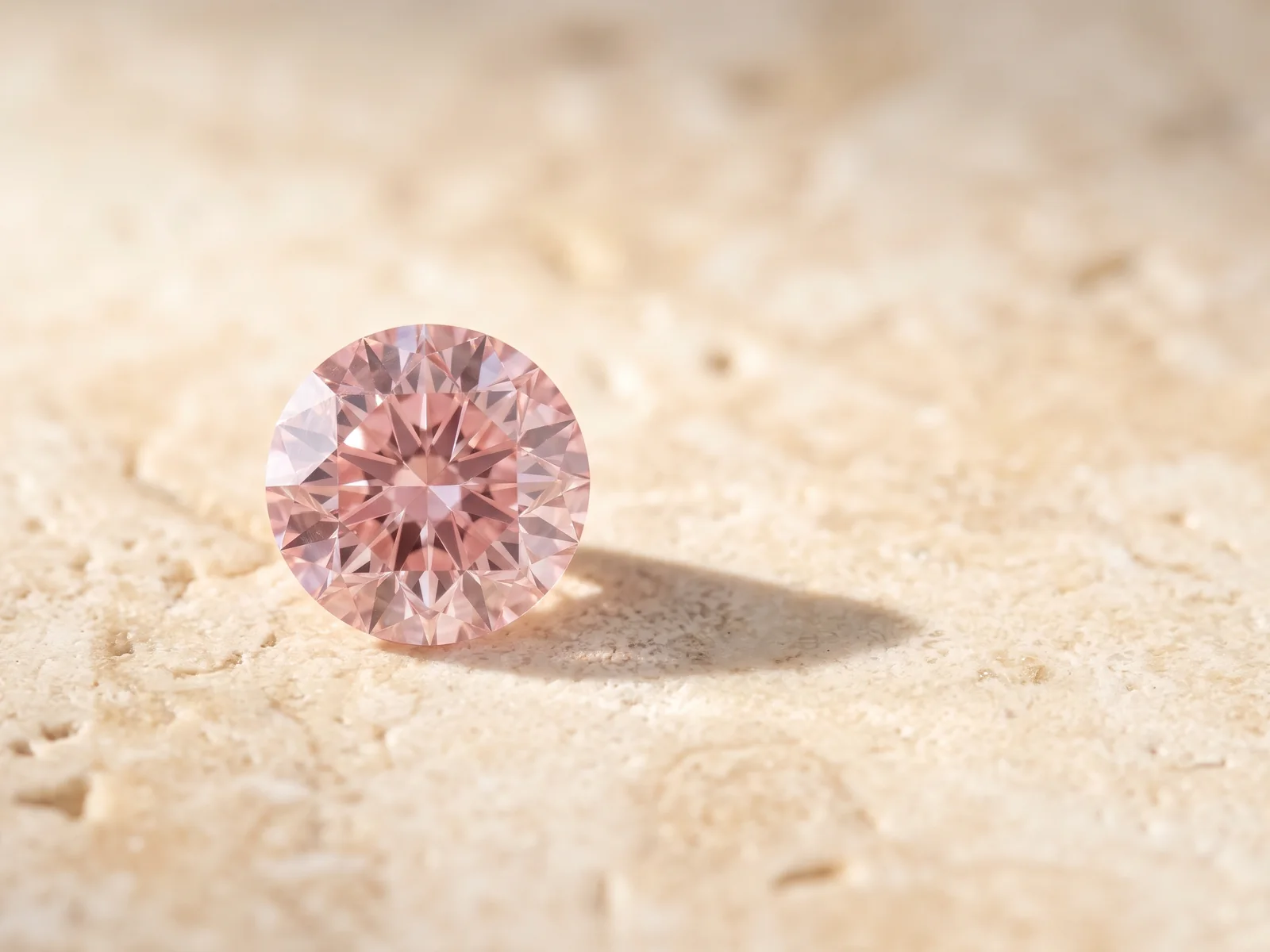
You already have the stone: bought online, brought back from overseas, or handed down. We assess it, design a setting around its exact measurements, and make the piece in our Melbourne workshop.
 Reviewed by Raj Sood, Graduate Gemologist (GIA), AJP (GIA)Founder and Graduate Gemologist (GIA) · reviewed 17 November 2026
Quick answer
You can bring your own diamond or gemstone to GemTrove at Unit 903/125 Swanston St, Melbourne VIC 3000. Raj Sood, a Graduate Gemologist (GIA), assesses the stone, our in-house CAD designers model a setting around its exact measurements, and our master jewellers make the ring, pendant, earrings or bracelet. You approve the design and the quote first. Allow up to 5 weeks; some pieces are ready sooner.
Can you bring your own diamond or gemstone to a jeweller?
Yes. GemTrove assesses customer-supplied diamonds and gemstones and designs safe, wearable settings for them. We work with loose diamonds, lab-grown diamonds, sapphires, rubies, emeralds, opals, pearls and other gemstones.
- Suitable for loose diamonds and gemstones, wherever they were bought.
- Useful for inherited and sentimental stones.
- The stone's condition is assessed before any setting is designed.
- CAD plans the setting around the stone's actual measurements.
- Some stones suit a pendant better than a ring worn every day, and we will say so.
This page is about setting a stone you supply. For the setting styles themselves, see our custom diamond and gemstone setting page and the diamond and gemstone setting guide.
What can be made with your stone?
A suitable stone can go into almost any piece. The stone, and how it will be worn, decide the design.
| Piece | Good for |
|---|---|
| Ring | Diamonds, sapphires, rubies and other hard stones worn daily |
| Pendant | Softer, larger or more fragile stones |
| Earrings | Matched pairs, or two stones of similar size |
| Bracelet or bangle | Rows of smaller stones in protective settings |
| Heirloom redesign | Stones taken from an older family piece |
Stones for an insurance replacement piece can be set the same way: see insurance jewellery replacement. For rings, compare the options in the engagement ring setting styles guide, solitaire rings, bezel set rings and halo rings. For other pieces see pendant and solitaire necklace settings and drop earring settings.
Which stones can you bring?
Any stone. What it is and where it came from do not matter to us; what matters is whether it can be set safely, and we check that first.
| Your stone | What we check and how it is usually set |
|---|---|
| A diamond bought online or overseas | Checked against its report, then set in any style |
| A lab-grown diamond | Set exactly as a natural diamond is, and described as lab-grown on the paperwork |
| A diamond from a family ring | Unset, checked for chips under the old claws, then set in a new piece |
| An old mine or old European cut | Set in a design that suits its deeper shape and small table |
| A sapphire or ruby | Hard enough for any setting, including a ring worn every day |
| An emerald | A protective setting, set without heat |
| An opal | A bezel or a protected claw setting, and never an ultrasonic clean |
| A pearl | Set on a peg, in earrings, a pendant or a ring worn with care |
| Tanzanite, morganite, aquamarine, tourmaline | Best in pendants and earrings, or in a ring with a protective setting |
| Moissanite and other created stones | Set in the same way, and named for what they are |
| A stone you found, mined or were given | Identified by a gemologist first |
| Several small stones | Matched and laid out as a band, a cluster or a halo |
Rough and uncut stones can be cut first, and a damaged stone can often be repolished before it is set: see gemstone and diamond repair. The setting styles are compared in our setting guide, and how each stone wears in gemstone care by stone.
How is your stone assessed before setting?
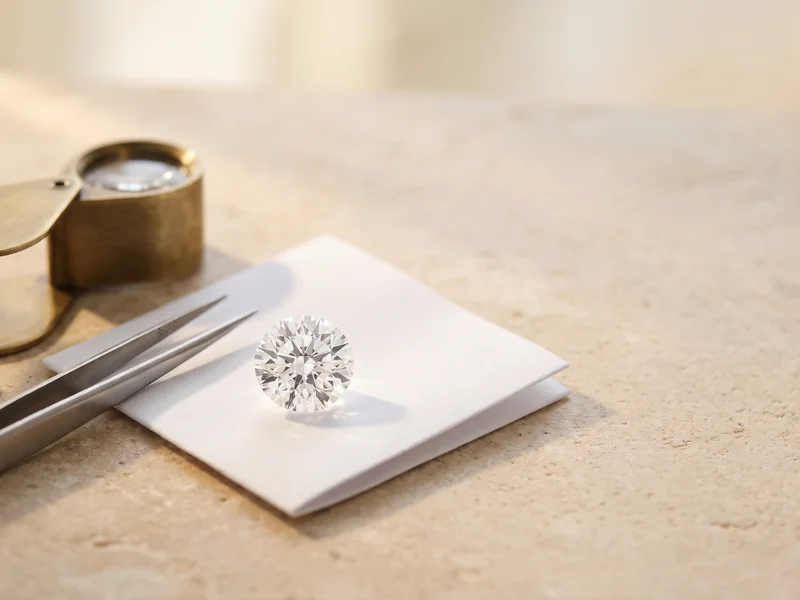
A setting is only as good as the information it is designed from. Before any design is drawn, these are checked under magnification:
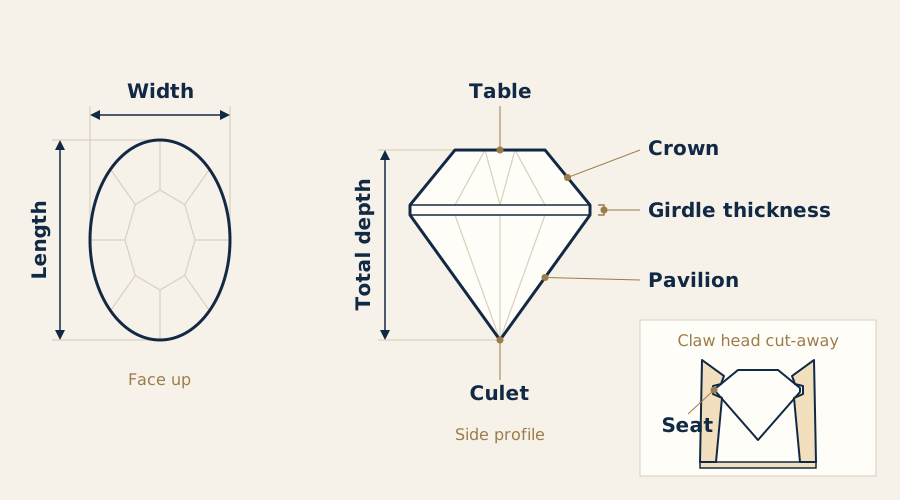
- Size, shape and depth, measured in millimetres. See why exact measurements matter in a custom setting.
- Certificate details, matched to the stone in front of us. See how to verify a GIA report number.
- Chips and fractures, especially at the edge and the points.
- The girdle: a very thin girdle chips easily under a claw. See diamond girdle thickness.
- Treatment, which changes how the stone can be handled. See gemstone treatments A to Z.
- Durability for the wear you have in mind. See gemstone durability for everyday rings.
You are shown what we find. If the stone came with a report, please check the lab report before you commit: the assessment should agree with it.
Have an idea but not a design yet?
Bring a sketch, a photo or the stones you already own, and we will tell you what can be made, in which metal, and what decides the price.
How much does it cost to set your own diamond?
Setting your own stone has no fixed price, because the cost is the setting you choose and the work to make it. You get a quote once the stone has been assessed and the design agreed, and nothing is made until you approve it. These are the things that move the price:
- The design. A plain solitaire takes less making than a halo, a three-stone ring or a pavé band.
- The metal. Platinum and 18ct gold cost more than 9ct, and a heavier setting uses more. See white gold vs platinum and 9ct vs 18ct gold.
- Side stones. Any diamonds added around your stone are a separate cost.
- The stone's shape. Pointed and unusual shapes need shaped claws or a made-to-fit bezel.
- Work on the stone. A chipped stone may need repolishing first. See our gemstone and diamond repair service.
- Design time. A design made from scratch involves more CAD work than an adaptation of a familiar style.
Is it cheaper to buy the diamond and the setting separately? Sometimes, and sometimes not. What matters more is that the stone is right and the setting is made for it. If you have not bought the stone yet, compare it with our loose diamonds first.
How long does setting your own stone take?
Allow up to 5 weeks for setting your own stone. Some pieces are ready sooner. The time depends on the design, the metal, and whether stones have to be sourced and matched.
We confirm the time for your piece with the quote, before anything is made. If it is for a date, such as a wedding, a birthday or an anniversary, tell us at the first appointment so the date is part of the plan from the start.
What do GemTrove customers say?
These are Google reviews from GemTrove customers, quoted word for word.
5.0 on Google
★★★★★
“… We wanted to pick out our preferred stone with GIA certification and then the setting (custom made). … Raj acted with efficient communications to ensure for the transaction to move forward. …”
Whiz
Google review · GIA-certified diamond and custom setting
★★★★★
“… His deep knowledge of diamonds and the do's and don'ts of ring design was invaluable. … The craftsmanship and attention to detail are outstanding, and the rings turned out even more beautiful than we imagined. …”
Tanveer D.
Google review · engagement and wedding rings
★★★★★
“Raj is very friendly and knowledgeable on all things diamonds. I went to him to make an engagement ring for me after seeing all his positive reviews. He helped me design the perfect ring. He listened to everything I was looking for and gave me great advice along the way.”
The Adsta
Google review · engagement ring
★★★★★
“… His prompt communication and willingness to help made what could have been a stressful situation completely hassle-free. The craftsmanship, attention to detail, and level of care provided by Neeraj and the Gemtrove team exceeded my expectations. …”
Seno R.
Google review · engagement ring
★★★★★
“… Trusts isn't something that can be written in a few words, it is something to be earned. Buying something with not only high monetary value but of sentimental value depends on a lot of trusts. …”
Whiz
Google review · anniversary ring upgrade
Read all GemTrove reviews on Google
What happens from first visit to collection?
- Enquiry. Book an appointment and bring the stone, its report and any photos of designs you like.
- Inspection. The stone is examined and measured with you, and its condition is recorded.
- Design discussion. Piece, style, metal, setting height and how it will be worn.
- CAD planning. The setting is modelled in 3D around your stone's measurements, and you review the renders. See how to read a CAD render.
- Quote approval. Nothing is made until you have approved the design and the quote.
- Making and setting. The piece is made by our master jewellers and your stone is set.
- Final inspection. Stone security, finish and fit are checked before you collect it.
See setting a loose diamond into an existing ring, our jewellery design process and CAD jewellery design pages.
Which stones cannot be set safely?
Not every stone can be safely set, and not every stone should go in a ring. Some damaged, shallow, deep, soft, heat-sensitive or treated stones need something else first:
- Repair or recutting, where a chip or a worn edge makes the stone unsafe to grip.
- Laboratory confirmation, where we cannot be sure what the stone is or how it has been treated. See natural, synthetic and simulant gemstones.
- A more protective design, such as a bezel or a low setting. See a secure setting for a coloured gemstone and bezel vs claw settings.
- A different piece. Opals, emeralds, tanzanite and pearls are often happier in a pendant or earrings. See the best gemstones for daily wear rings.
Setting any stone puts some pressure on it. For a sound diamond the risk is small; for a fragile or fractured stone it is real, and we explain it to you before the work, not after. If we think a stone should not be set as you have asked, we will tell you and suggest what would work.
What if you bought the diamond online or overseas?
That is common, and it is fine. Bring the stone and its report. We confirm the stone matches the report, measure it, and tell you plainly what we see, including anything the listing did not mention.
If you are still deciding where to buy, see buying a diamond overseas vs in Australia, buying online vs in store and what a diamond report does not tell you. For a family stone, see reusing a family diamond and our jewellery remodelling service.
Where can you have your own stone set in Melbourne?
At our showroom on Swanston Street, opposite Melbourne Town Hall, by appointment. GemTrove has been in business since 2008 and our family has been in the jewellery trade since 1984. A setting is quoted once we have assessed the stone and agreed the design.
- Showroom: Unit 903/125 Swanston St, Melbourne VIC 3000 (Level 9), opposite Melbourne Town Hall, by appointment.
- Hours: Monday to Friday 9:30 am to 5:30 pm, Saturday 11:30 am to 1:00 pm, Sunday closed.
- Phone: 0488 878 000.
- Book: book a design appointment. Bring the stone, its report, and pictures of settings you like.
Free consultation
Talk to a gemologist
Compare stones in person or online with Raj Sood, Graduate Gemologist (GIA), AJP (GIA).
Book a consultationFAQ
Common questions
Can I bring my own diamond and setting to a jeweller?
Yes. GemTrove sets diamonds and gemstones that customers supply. The stone is assessed first, and the setting is designed and made around its exact measurements.
How much does it cost to set a diamond into a setting?
It depends on the design, the metal, any side stones and the shape of the stone. GemTrove quotes after assessing the stone and agreeing the design, and nothing is made until you approve.
How long does it take to set my own stone?
Allow up to 5 weeks. Some pieces are ready sooner. We confirm the time with your quote, so tell us at the start if it is for a date.
Is it cheaper to buy a diamond and setting separately?
Sometimes. It depends on the stone and where it came from. What matters more is that the stone is sound and the setting is made to fit it.
Can you set a gemstone I bought overseas?
Yes. We examine and identify it first, because stones bought while travelling are often treated or not what they were sold as. Then we tell you what suits it.
Can any stone go in an engagement ring?
No. Soft, treated or fractured stones can be damaged by daily wear. We tell you if your stone is better suited to a pendant or earrings. See gemstone durability for everyday rings.
Do you set lab-grown diamonds bought elsewhere?
Yes. A lab-grown diamond is set like any diamond, and it stays described as lab-grown on the invoice and any valuation.
Can I bring a stone I bought overseas or a stone I found?
Yes. A gemologist identifies and checks the stone first, then we tell you which settings will hold it safely.
Ask a gemologist
Not sure how to turn the idea into a piece?
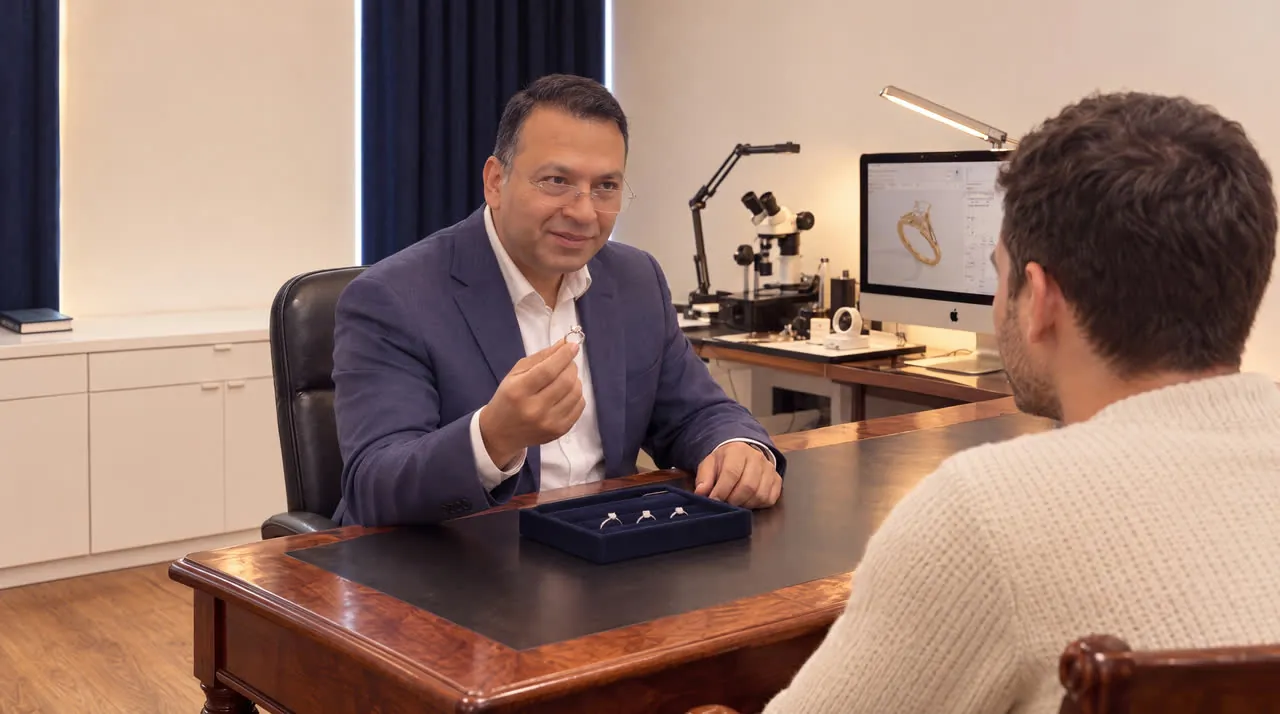
Raj Sood is a Graduate Gemologist (GIA) who works alongside our in-house CAD designers and master jewellers. Bring the idea, the stones or the old jewellery, and he will tell you honestly what will work and what will not.
Keep learning
Related guides
 Care, Repairs & RemodellingSetting a Loose Diamond Into an Existing Ring
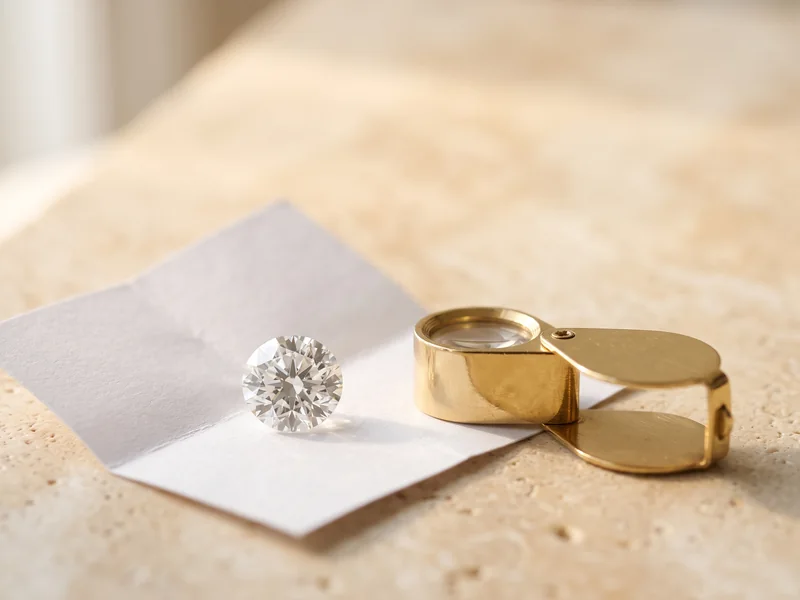 Buying Knowledge & Custom ProcessWhy Exact Diamond Measurements Matter in a Custom Setting
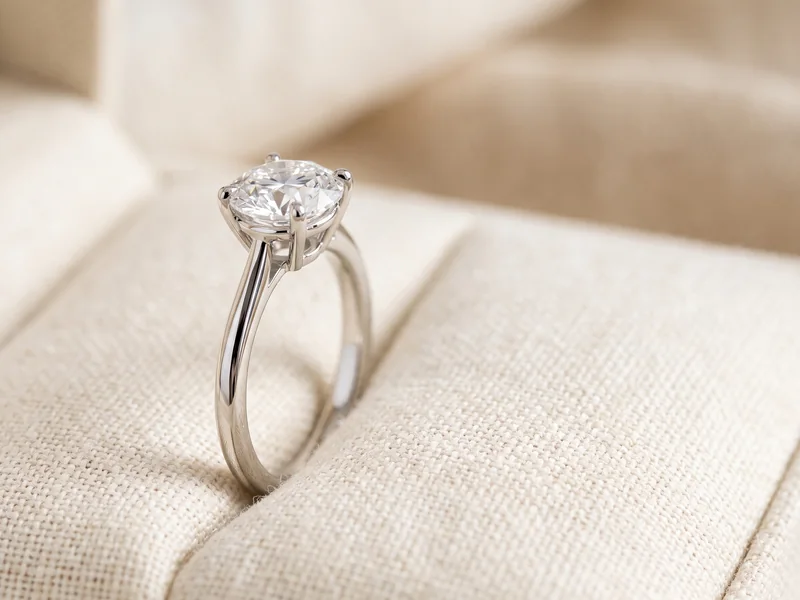 Engagement Rings & SettingsDiamond & Gemstone Setting Guide
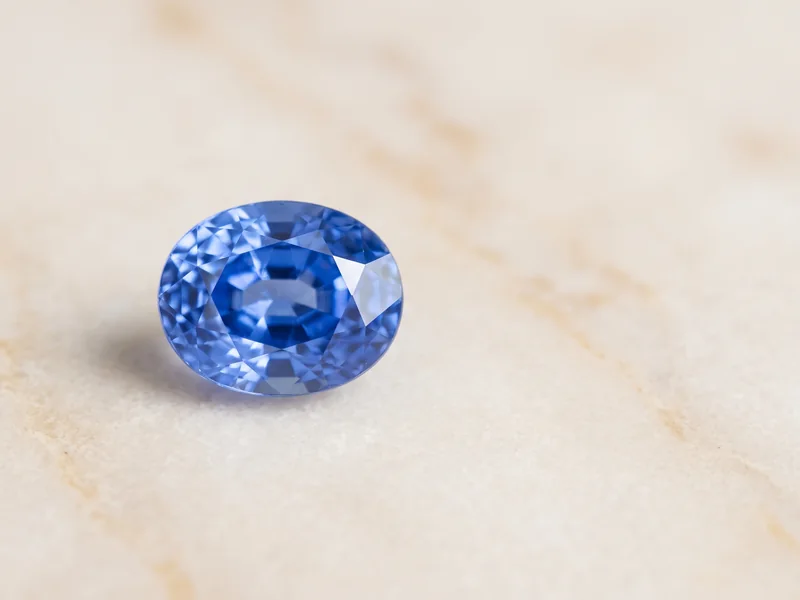 GemstonesGemstone Durability for Everyday Rings
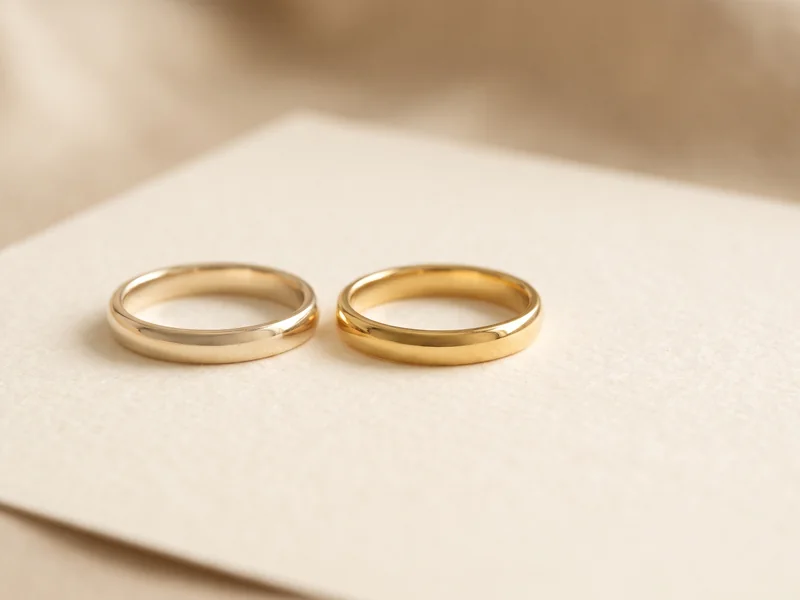 Metals9K vs 18K Gold: Which Gold Is Better for Jewellery?
 GemstonesBest Gemstones for Daily Wear Rings
 Engagement Rings & SettingsBezel Set Engagement Rings
 Engagement Rings & SettingsBezel vs Claw Settings for Everyday Wear
Explore more
More guides on this topic
Education